Dinner · Part 3 of 3: Tips & recipe card
Slow Cooker Duck Confit with Garlic and Rosemary Tips, FAQ & printable recipe
- Prep
- Cook
- Total
- Serves
- 4
Tips for success
To achieve an even crispier skin, remove the duck legs from the slow cooker once finished and place them skin-side up on a wire rack over a baking sheet.
Broil them for 3 to 5 minutes, keeping a very close eye on them to prevent burning. This extra step transforms the texture of the skin from soft to delightfully crunchy, providing a contrast that elevates the entire dish.
If you find that the rendered fat is too plentiful, you can carefully spoon some out before serving. However, do not throw it away. Strain the fat through a fine-mesh sieve into a heat-proof container and store it in the refrigerator.
This liquid gold can be used later to roast potatoes or sauté vegetables, adding a deep, savory flavor that is unmatched by butter or oil.
Variations
- Spicy Duck Confit: Add a teaspoon of red pepper flakes during the seasoning phase to give the duck a subtle, warming heat that pairs well with the richness of the meat.
- Citrus Infusion: Place two thick slices of orange or lemon under the duck legs before cooking to add a bright, acidic note that balances the heavy flavors of the rendered fat.
Storage and make-ahead
- Fridge
- Keep in an airtight container for up to 3 days.
- Freezer
- Freeze for up to 2 months in a freezer-safe container.
- Reheat
- Reheat in a 350°F (175°C) oven until hot, then broil briefly to crisp the skin.
Store any leftovers in an airtight container in the refrigerator for up to 3 days. Ensure the duck is completely cooled before covering it.
If there is leftover rendered fat, keep it in a separate sealed jar in the refrigerator, where it will solidify and remain fresh for several weeks. This fat is a valuable cooking medium for future meals, so treat it as a pantry staple for adding richness to various savory dishes.
This dish is excellent for making ahead, as the flavors often improve after sitting for a day. You can prepare the duck entirely, let it cool, and store it in the refrigerator.
When you are ready to serve, simply reheat the duck legs in the oven at 350°F (175°C) until they are hot through. You can then perform the final crisping step under the broiler to restore the texture of the skin before presenting it to your guests.
Serving ideas
Serve the duck confit as the centerpiece of a meal, accompanied by sides that balance its richness. A simple green salad dressed with a sharp vinaigrette helps cut through the fattiness of the duck. Roasted root vegetables, such as carrots or parsnips, also pair beautifully with the flavors, as they can be cooked in a little of the reserved duck fat for extra depth.
For a more substantial meal, serve the duck over a bed of creamy polenta or alongside a portion of rustic, crusty bread. The bread is perfect for soaking up any juices and the garlic cloves, which will be soft and spreadable after the long cook. This combination of textures and flavors creates a comforting and satisfying experience that feels both rustic and refined.
Frequently asked questions
Can this be made ahead of time?
Why does the duck skin turn out soft?
Is it necessary to peel the garlic?
Slow Cooker Duck Confit with Garlic and Rosemary
Ingredients
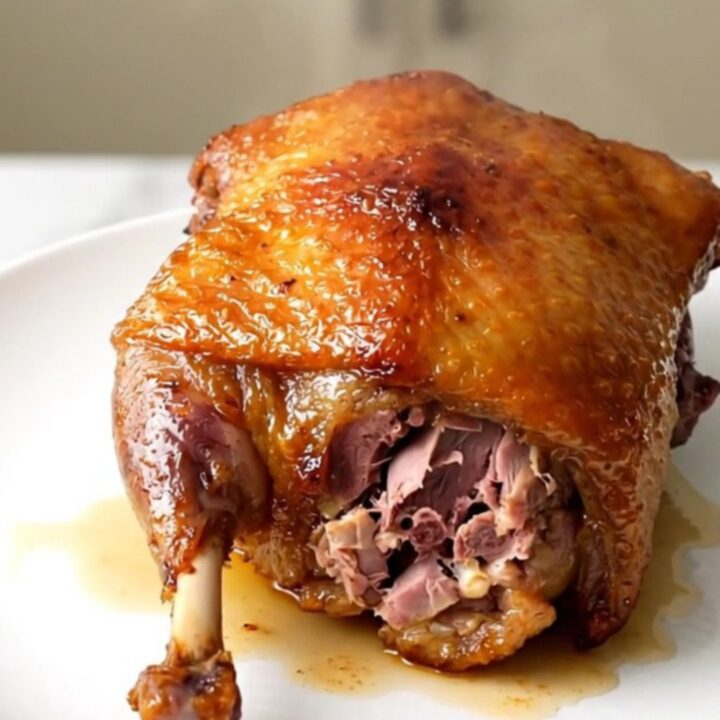
- 4 duck legs
- 1 head garlic cloves, unpeeled
- 1 tsp coarse salt
- 1/2 tsp crushed black pepper
- 3 sprigs fresh rosemary sprigs
Instructions
- Place the raw duck legs skin-side up into the bowl of your slow cooker. Scatter the unpeeled garlic cloves around the duck. Evenly sprinkle the coarse salt and crushed black pepper over the duck legs to ensure all sides are seasoned.
- Arrange the fresh rosemary sprigs on top of the duck legs. Cover the slow cooker and set it to cook on low for 8 hours. Ensure the duck reaches an internal temperature of at least 165°F (74°C) to be fully cooked through.
- Remove the duck legs carefully from the slow cooker. If desired, briefly brown the skin under a broiler for a few minutes until crispy and golden. Serve the duck hot on a clean plate.
Estimated nutrition per serving
- Calories
- 650
- Protein
- 35 g
- Carbohydrates
- 2 g
- Fat
- 55 g
- Fiber
- 0.5 g
- Sugar
- 0.2 g
- Sodium
- 600 mg
Next recipe

Slow Cooker Veal Paupiettes in Creamy Mustard Sauce
See the recipe → →This recipe is based on a short cooking video and is published under the pen name Clara Weller. It was checked before publication, but errors can slip through. Nutrition, when shown, is an estimate. Read more in our editorial policy and on our food safety page.
More recipes to try
Slow Cooker Pork Roast with Prunes and Bacon
Total time: 6 h 20 min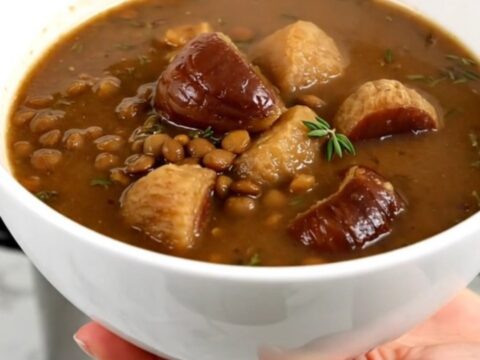
Slow Cooker Chestnut and Brown Lentil Stew
Total time: 4 h 15 min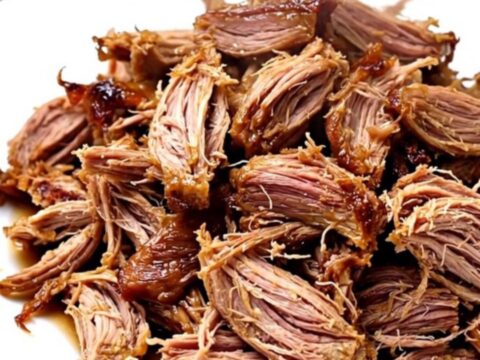
Slow Cooker Pineapple Kalua Pulled Pork for Easy Weeknight Dinners
Total time: 8 h 20 min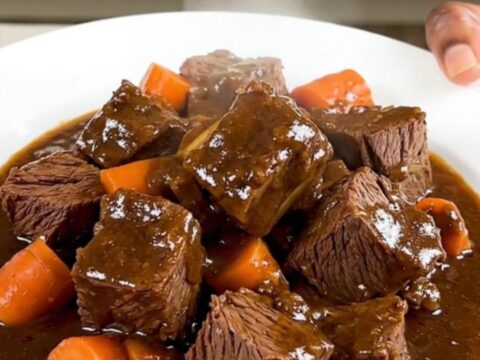
Slow Cooker Red Wine Braised Beef Stew
Total time: 8 h 20 min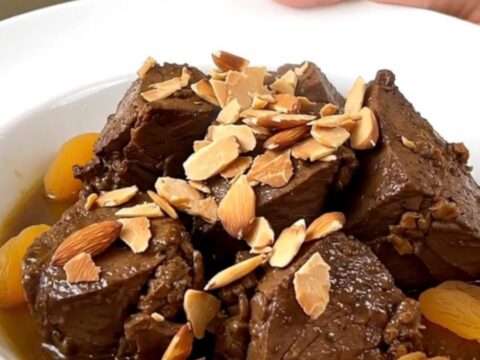
Slow Cooker Veal Stew with Dried Apricots and Almonds
Total time: 8 h 15 min