Dinner · Part 2 of 3: Instructions
Slow Cooker Duck Confit with Garlic and Rosemary Step-by-step instructions
- Prep
- Cook
- Total
- Serves
- 4
Before you start
Before you begin, ensure your slow cooker is clean and positioned on a dry, heat-resistant surface. Take the duck legs out of the refrigerator about 20 minutes before seasoning to allow them to lose their chill, which helps with even cooking.
Have your salt, pepper, garlic, and rosemary measured out and ready to go. If you are using a new slow cooker, check the manufacturer's manual to confirm the recommended settings for low-temperature cooking to ensure you get the best results.
Ingredients at a glance (5)
- 4 duck legs
- 1 head garlic cloves, unpeeled
- 1 tsp coarse salt
- 1/2 tsp crushed black pepper
- 3 sprigs fresh rosemary sprigs
Instructions
Preparing the Duck
- Seasoning the DuckPlace the raw duck legs skin-side up into the bowl of your slow cooker. Scatter the unpeeled garlic cloves around the duck. Evenly sprinkle the coarse salt and crushed black pepper over the duck legs to ensure all sides are seasoned.Look for The duck legs should be arranged in a single layer if possible, with garlic distributed throughout.Tip Keep the garlic cloves in their skins to prevent them from burning during the long cook time.
At the end of this phase, the duck legs should be neatly arranged in the slow cooker with the garlic and herbs distributed evenly. The salt and pepper should be lightly coating the skin. Ensure the slow cooker is correctly set to the low setting before proceeding to the next step, as this slow and steady heat is crucial for the final texture of the dish.
The Slow Cook
- Slow CookingArrange the fresh rosemary sprigs on top of the duck legs. Cover the slow cooker and set it to cook on low for 8 hours. Ensure the duck reaches an internal temperature of at least 165°F (74°C) to be fully cooked through.Look for The meat should be incredibly tender and pulling away from the bone when touched with a fork.Safe temperature 165°F (74°C) internal temperature (poultry)Tip Avoid lifting the lid too often during the cooking process to maintain a consistent temperature.
During this phase, the kitchen will begin to fill with the savory aroma of garlic and rosemary. When you check the progress, the duck should be submerged in a pool of rendered fat.
The meat will start to look opaque and soft. If you are checking the temperature, ensure you are testing the thickest part of the leg away from the bone for an accurate reading of 165°F (74°C).
Crisping and Serving
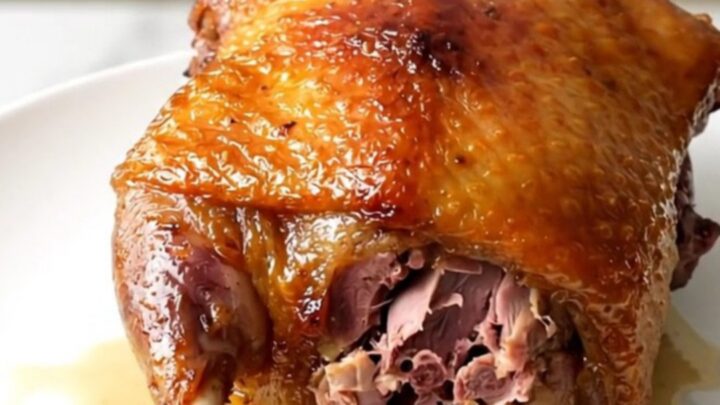
- Finishing and ServingRemove the duck legs carefully from the slow cooker. If desired, briefly brown the skin under a broiler for a few minutes until crispy and golden. Serve the duck hot on a clean plate.Look for The skin should be glossy and crisp to the touch, and the meat should be steaming hot.Tip Use a pair of tongs to lift the duck legs to prevent them from falling apart.
Once the duck is cooked, it should be very fragile, so handle it with care. If you choose to crisp the skin under the broiler, watch it very closely, as the high fat content can cause it to burn in seconds. The final result should feature a beautiful, golden-brown exterior and meat that is moist, tender, and perfectly infused with the garlic and rosemary aromatics.
Common mistakes
A common mistake is overcrowding the slow cooker, which can prevent the skin from rendering properly. Ensure the legs have enough space. Another error is removing the lid too frequently, which causes the internal temperature to drop and increases the cooking time significantly.
Finally, do not discard the rendered fat left in the slow cooker; it is incredibly flavorful and can be strained and saved in the refrigerator to use for roasting potatoes or other vegetables in future meals.
How to tell it’s done
The duck is done when the meat is exceptionally tender and pulls away easily from the bone. Use a meat thermometer to ensure the thickest part of the duck leg reaches an internal temperature of at least 165°F (74°C).
The skin should appear rendered and golden, and the aroma should be savory and deeply fragrant with the scent of roasted garlic and rosemary. If the meat feels resistant to a fork, continue cooking for another 30 minutes.
- Poultry: 165°F (74°C) in the thickest part
Up next · Part 3 of 3
2 variations · storage & make-ahead · 3 answers · printable card
Tips, FAQ & printable recipe (Part 3)← Back to the ingredients (Part 1)