Dinner · Part 3 of 3: Tips & recipe card
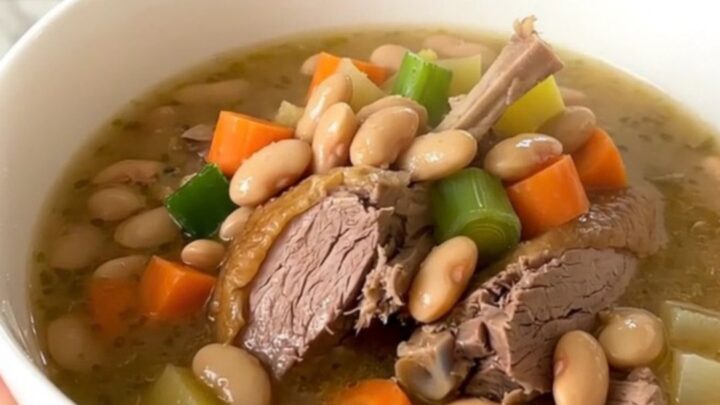
Slow Cooker Duck and Tarbais Bean Garbure Tips, FAQ & printable recipe
- Prep
- Cook
- Total
- Serves
- 4
Tips for success
To add an extra layer of complexity, consider deglazing the pan you used to sear any extra vegetables before adding them to the slow cooker.
While the recipe uses a simple assembly method, incorporating a small amount of browned onion or garlic can elevate the flavor profile. Always taste the broth before serving, as the saltiness can vary depending on the specific brand of duck confit used.
For a more rustic presentation, serve the garbure with thick slices of toasted sourdough bread rubbed with a garlic clove. This provides a crunchy contrast to the soft, stewed ingredients.
If you find the broth is too light for your preference, you can stir in a small amount of heavy cream or a tablespoon of butter at the very end to give it a richer, more luxurious mouthfeel.
Variations
- Smoked Sausage Addition: Add sliced smoked sausage during the final hour of cooking for a deeper, smokier flavor profile that complements the duck beautifully.
- Vegetable Medley Swap: Incorporate seasonal root vegetables like parsnips or turnips instead of standard mixed vegetables to give the dish a more robust, earthy character.
Storage and make-ahead
- Fridge
- Store in an airtight container for up to 3 days.
- Freezer
- Freeze in portions for up to 2 months; thaw overnight in the fridge before reheating.
- Reheat
- Reheat on the stovetop over low heat until steaming, adding a little broth if necessary.
Store any leftovers in an airtight container in the refrigerator for up to 3 days. The flavors often improve the next day as the ingredients continue to meld. When reheating, do so gently on the stovetop over low heat, adding a splash of water or broth if the soup has become too thick during storage, ensuring it reaches a safe temperature.
This dish is an excellent candidate for making ahead of time. You can assemble the ingredients in the slow cooker insert the night before, keep it in the refrigerator, and then place it in the base to start cooking the next morning. This makes it an ideal option for busy weekends or when hosting guests, as the active work is minimized and the cooking is entirely hands-off.
Serving ideas
Serve the garbure in warmed, deep bowls to retain heat. Ladle a generous portion of the duck, beans, and broth into each bowl, ensuring every serving gets a piece of the succulent duck.
A garnish of fresh parsley or chives can provide a bright, fresh contrast to the rich, earthy flavors of the stew. It is a hearty meal that stands well on its own without the need for many side dishes.
Consider serving a crisp, acidic green salad on the side to cut through the richness of the duck fat. A simple vinaigrette made with Dijon mustard and sherry vinegar works perfectly.
The contrast between the warm, comforting soup and the cold, crunchy greens creates a balanced dining experience that is both satisfying and refreshing. Ensure there is plenty of crusty bread available for soaking up the flavorful broth.
Frequently asked questions
Can this be made in a Dutch oven instead of a slow cooker?
Why is it important to use Tarbais beans?
Is it necessary to rinse the beans before adding them?
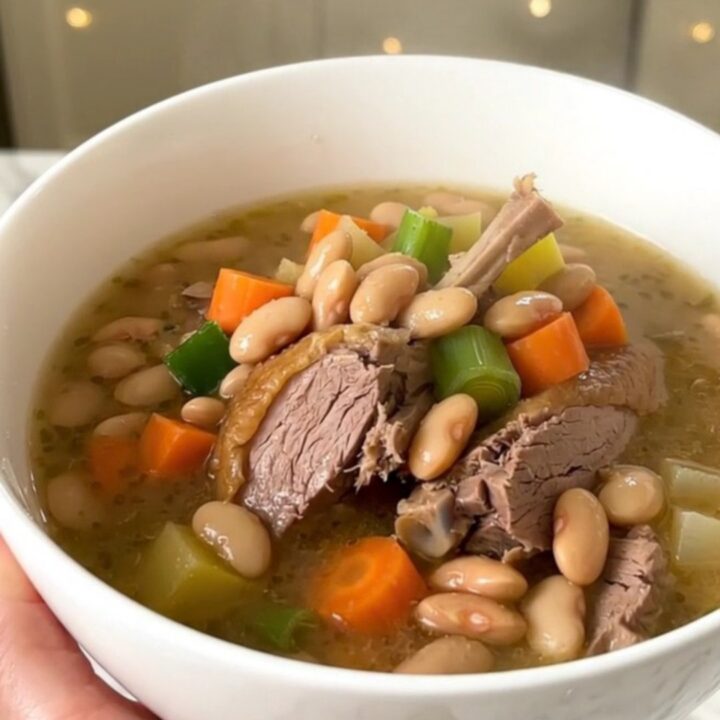
Slow Cooker Duck and Tarbais Bean Garbure
Ingredients
- 2 legs duck confit
- 2 cups Tarbais beans, soaked
- 2 cups mixed vegetables, diced
- 1 tsp dried thyme
- 4 cups chicken broth
Instructions
- Place the duck confit legs into the bottom of the slow cooker insert. Distribute the soaked Tarbais beans and diced vegetables evenly over the duck legs.
- Sprinkle the dried thyme over the vegetable and bean layer. Pour the chicken broth over the ingredients until they are just covered.
- Cover the slow cooker and cook on low for 6 hours. Ensure the duck reaches an internal temperature of 165°F (74°C). Let the stew rest for 5 minutes before serving.
Estimated nutrition per serving
- Calories
- 450
- Protein
- 28.5 g
- Carbohydrates
- 35 g
- Fat
- 22 g
- Fiber
- 8 g
- Sugar
- 2.5 g
- Sodium
- 850 mg
Next recipe
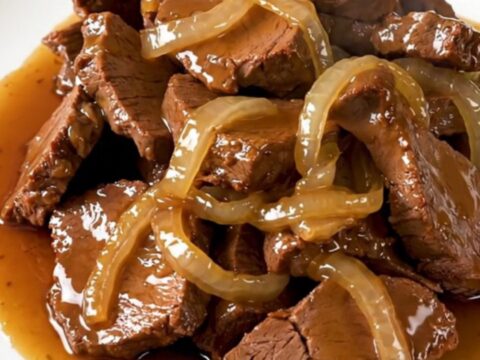
Slow Cooker Caramelized Veal Tendrons with Onions
See the recipe → →This recipe is based on a short cooking video and is published under the pen name Clara Weller. It was checked before publication, but errors can slip through. Nutrition, when shown, is an estimate. Read more in our editorial policy and on our food safety page.
More recipes to try

Slow Cooker Butternut Squash Coconut Curry Soup
Total time: 4 h 10 min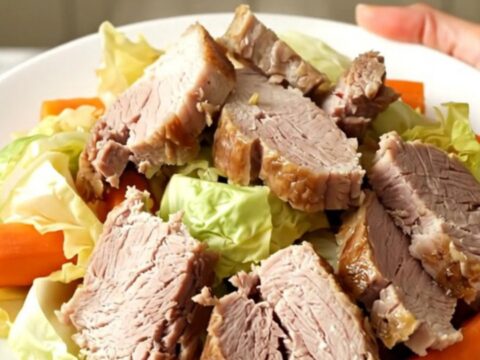
Slow Cooker Salted Pork with Cabbage and Carrots
Total time: 8 h 20 min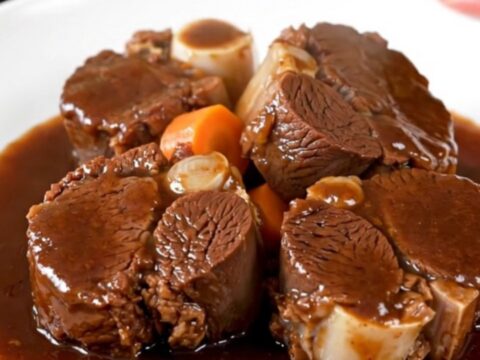
Slow Cooker Red Wine Beef Cheeks for a Tender Dinner
Total time: 8 h 20 min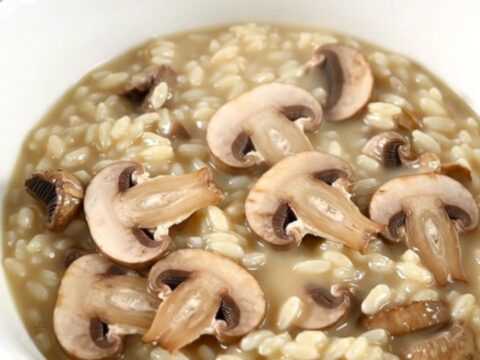
Creamy Slow Cooker Mushroom Risotto
Total time: 3 h 10 min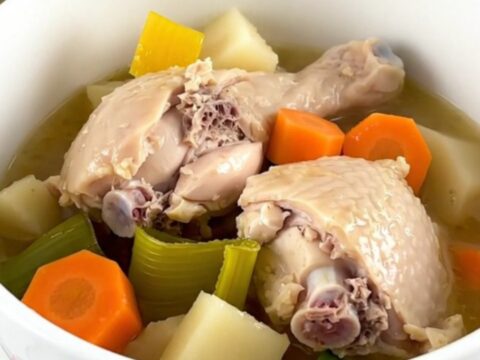
Slow Cooker Poule au Pot with Fresh Vegetables
Total time: 4 h 20 min