Dinner · Part 2 of 3: Instructions
Slow Cooker Dijon Rabbit with White Wine Step-by-step instructions
- Prep
- Cook
- Total
- Serves
- 4
Before you start
Start by gathering all ingredients and ensuring the rabbit is properly cleaned and patted dry. Slice the carrots into even, thin rounds to ensure they cook through at the same rate as the meat. Peel and slice the shallots thinly, keeping the slices relatively uniform to prevent uneven softening.
Prepare the slow cooker by checking that the insert is clean and the power cord is accessible, ensuring the device is placed on a flat, heat-resistant surface away from any water or flammable kitchen items.
Ingredients at a glance (5)
- 2 lb rabbit pieces
- 3 carrots, sliced
- 2 shallots, sliced
- 3 tbsp Dijon mustard
- 1/2 cup dry white wine
Instructions
Assembly of the Slow Cooker
- Prepare the Slow CookerPlace the rabbit pieces into the bottom of the slow cooker. Arrange the sliced carrots and sliced shallots over the meat to ensure even flavor distribution during the cooking process.Tip Ensure the rabbit pieces are arranged in a single layer if possible for more even cooking.
At this phase, the raw ingredients are neatly layered within the slow cooker. The rabbit should be at the base, covered by the carrots, shallots, and mustard, with the wine poured over to begin the braising process. Check that the lid is securely placed on the slow cooker to prevent moisture loss during the long cooking time. The kitchen should remain tidy, and all preparation tools should be cleaned and stored before starting the cooking cycle.
Braising and Flavor Development
- Add Aromatics and WineSpoon the Dijon mustard directly onto the rabbit pieces. Pour the white wine over the top, covering the ingredients to create the base of the braising liquid.Tip Using a dry white wine like Sauvignon Blanc provides the best acidity for this creamy mustard sauce.
During the cooking phase, the slow cooker works to tenderize the rabbit and marry the flavors of the wine, mustard, and vegetables. You should notice a savory, aromatic scent filling the kitchen as the shallots soften and the wine reduces. Ensure the slow cooker is left undisturbed during this time, as opening the lid frequently will cause a significant drop in temperature and increase the total cooking time required for the meat to reach a safe, tender state.
Final Resting and Serving
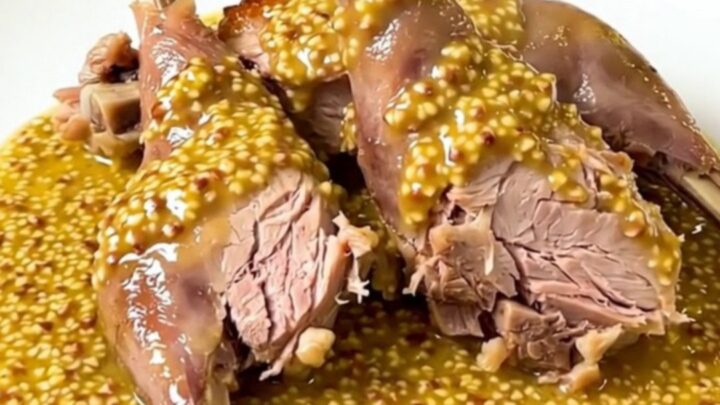
- Cook and RestCover the slow cooker and cook on low for 4 hours until the rabbit is tender and fully cooked. Ensure the internal temperature reaches 145°F (63°C). Let the meat rest for 5 minutes before serving to ensure tenderness.Look for The sauce will be rich and creamy, and the meat should pull away easily from the bone.Safe temperature 145°F (63°C) internal temperature (steaks, chops and roasts)Tip Verify the temperature with a digital thermometer inserted into the thickest part of the meat.
Once the cooking time is complete, the rabbit will be tender and the sauce will have thickened into a rich, flavorful coating. Check the internal temperature of the meat with a thermometer to ensure it has reached 145°F (63°C).
The rabbit must rest for 5 minutes to allow the juices to settle. The final dish should look glossy and steaming, with the carrots and shallots tender and fully incorporated into the creamy, mustard-based sauce ready for immediate service.
Common mistakes
A common mistake is using a wine that is too sweet, which can overwhelm the savory profile of the mustard and shallots. Always opt for a dry white wine to maintain the intended balance of the sauce. Another error is failing to slice the vegetables uniformly, which leads to some pieces becoming mushy while others remain undercooked.
Finally, overcrowding the slow cooker can prevent the sauce from thickening properly and may result in the meat steaming rather than braising effectively, so ensure there is enough space for heat circulation.
How to tell it’s done
The rabbit is fully cooked when the meat is tender enough to pull away easily from the bone with a fork. Using a reliable meat thermometer, check the thickest part of the meat to ensure it has reached an internal temperature of at least 145°F (63°C).
The sauce should be thickened and glossy, coating the back of a spoon. Once the correct temperature is confirmed, allow the rabbit to rest for 5 minutes before serving to ensure the juices redistribute throughout the meat, maintaining its moisture and tenderness.
- Steaks, chops and roasts: 145°F (63°C) in the thickest part, then a 3-minute rest
Up next · Part 3 of 3
2 variations · storage & make-ahead · 3 answers · printable card
Tips, FAQ & printable recipe (Part 3)← Back to the ingredients (Part 1)