Dinner · Part 1 of 3: Ingredients
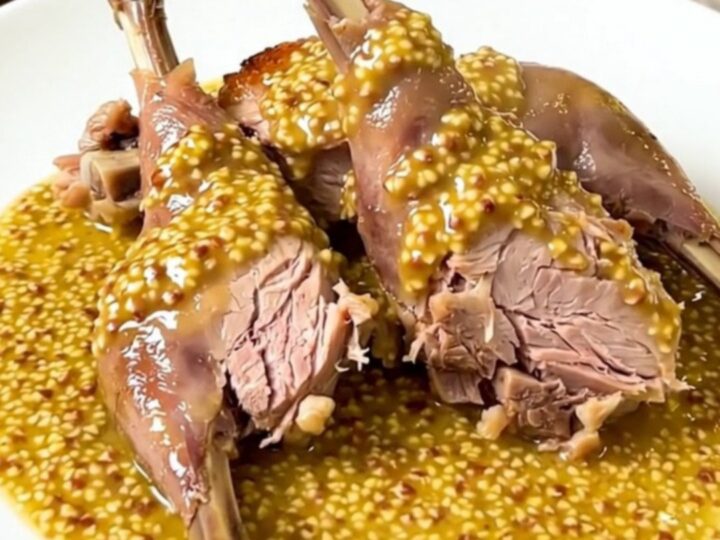
Slow Cooker Dijon Rabbit with White Wine
- Prep
- Cook
- Total
- Serves
- 4
Discover the art of slow-cooked French cuisine with this simple, refined rabbit recipe. By combining earthy vegetables, tangy Dijon mustard, and crisp white wine, you create a dish that is both elegant and incredibly easy to prepare. This method relies on the steady, gentle heat of the slow cooker to break down the rabbit, resulting in meat that is exceptionally tender and infused with a depth of flavor that usually requires hours of active time at the stove.
Braised rabbit is a staple of traditional rustic cooking, prized for its delicate texture and ability to absorb complex sauces. In this preparation, the slow cooker acts as a modern-day braising vessel, maintaining a consistent temperature that prevents the meat from drying out.
The combination of Dijon mustard and white wine creates a sophisticated, tangy sauce that clings perfectly to the meat and vegetables. Whether planning a weekend dinner or looking for a way to elevate a standard weeknight meal, this recipe offers a reliable, hands-off approach that guarantees delicious results every time.
Ingredients
Main Ingredients
- 2 lb rabbit pieces
Vegetables
- 3 carrots, sliced
- 2 shallots, sliced
Sauce
- 3 tbsp Dijon mustard
- 1/2 cup dry white wine
Why this recipe works
The slow cooking process is essential for rabbit, which is a lean meat that benefits significantly from gentle, prolonged heat. By simmering the rabbit in a liquid base of white wine and mustard, the moisture is locked in while the connective tissues slowly break down, resulting in a succulent final texture.
This method also allows the aromatic shallots and carrots to soften and meld their natural sweetness with the sharp, savory notes of the Dijon, creating a balanced and harmonious sauce without needing extra thickeners.
Using a slow cooker ensures that the braising temperature remains stable throughout the cooking duration, which is crucial for achieving consistent results. Unlike stovetop braising, which requires constant monitoring to prevent the liquid from evaporating or the meat from scorching, the slow cooker maintains a sealed environment.
This allows the wine to reduce slightly into the mustard, deepening the flavor profile of the dish while concentrating the essence of the vegetables into the meat as it cooks slowly over several hours.
Notes and substitutions
When selecting rabbit for this dish, look for fresh cuts that are uniform in size to ensure they finish cooking simultaneously. If rabbit is unavailable, bone-in chicken thighs are an excellent alternative that maintains a similar texture and richness when slow-cooked. The quality of the Dijon mustard is important, as it serves as the primary flavor agent in the sauce; choose a classic, smooth variety to ensure the desired texture and pungency in the final dish.
For the best results, use a dry white wine such as a Pinot Grigio or Sauvignon Blanc. Avoid cooking wines that are heavily salted or contain added sugars, as these can negatively impact the delicate balance of the sauce.
The shallots can be substituted with yellow onion if necessary, though shallots provide a milder, more refined sweetness that complements the mustard better. Ensure the slow cooker is not overcrowded, as this allows the steam to circulate properly and ensures the vegetables cook evenly.
- Rabbit: Chicken thighs can be used as a direct substitute for the rabbit, adjusting cooking time slightly if necessary.
- Dry white wine: Chicken stock mixed with a splash of apple cider vinegar can replace the wine for a non-alcoholic alternative.
Equipment
- Slow cooker
- Knife
- Cutting board
- Measuring cup
Up next · Part 2 of 3
3 steps · 4 h of cooking · what to look for at each stage
Step-by-step instructions (Part 2)