Desserts · Part 2 of 3: Instructions
Slow Cooker Crème Caramel Step-by-step instructions
- Prep
- Cook
- Total
- Serves
- 6
Before you start
Before starting, ensure that your slow cooker insert is clean and completely dry. Gather all ingredients and measure them accurately. If you are using a standard slow cooker, verify that the lid fits tightly to trap the necessary steam.
Take the eggs out of the refrigerator about thirty minutes prior to beginning the preparation to allow them to reach room temperature, which aids in a smoother emulsion during the whisking phase. Have a serving plate ready that is larger than the diameter of the slow cooker insert for easy flipping.
Ingredients at a glance (4)
- 1/2 cup liquid caramel
- 4 large eggs, beaten
- 1 packet vanilla sugar
- 2 cups whole milk
Instructions
Mixing the custard base
- Prepare the basePour the liquid caramel evenly into the bottom of the slow cooker ceramic insert. In a separate bowl, whisk the eggs with the vanilla sugar until combined, then slowly incorporate the whole milk, whisking constantly to ensure the mixture is smooth and aerated.Look for The caramel should coat the bottom evenly and the custard mixture should be smooth without visible egg streaks.Tip Whisking gently prevents too many air bubbles from forming in the custard.
The base should be a uniform, pale yellow liquid with no visible streaks of egg whites or large air bubbles on the surface. The consistency should be thin and smooth, similar to a light cream. Ensure the vanilla sugar is fully dissolved into the milk and egg mixture to prevent any grainy texture in the final result. If you notice any large foam on top, skim it off carefully before pouring the mixture into the slow cooker for the best final appearance.
Cooking in the slow cooker
- Cook the custardCarefully pour the custard mixture over the caramel layer in the slow cooker. Cover with the lid and cook on the low setting for approximately two hours. To ensure the eggs are cooked through, the internal temperature should reach 160°F (71°C).Look for The edges should be firm and set, but the center will still jiggle slightly when the insert is gently nudged.Safe temperature 160°F (71°C) internal temperature (egg dishes)Tip Avoid lifting the lid frequently to maintain a consistent temperature inside the slow cooker.
During the cooking process, the custard will gradually thicken and set around the edges. By the end of the two hours, the edges should be opaque and firm to the touch, while the very center remains soft and slightly translucent.
There should be a subtle, sweet aroma of cooked milk and vanilla filling the kitchen. If the center still appears very liquid, continue cooking in fifteen-minute increments, checking frequently to avoid overshooting the target temperature for the eggs.
Chilling and unmolding
- Cool and unmoldOnce cooked, turn off the slow cooker and allow the custard to cool completely at room temperature. Transfer the insert to the refrigerator to chill for at least three hours before serving. When ready, run a thin knife around the edges and invert onto a plate.Look for The custard should pull away from the edges of the insert easily once fully chilled.Tip A warm water bath for the base of the insert can help release the caramel if it sticks during unmolding.
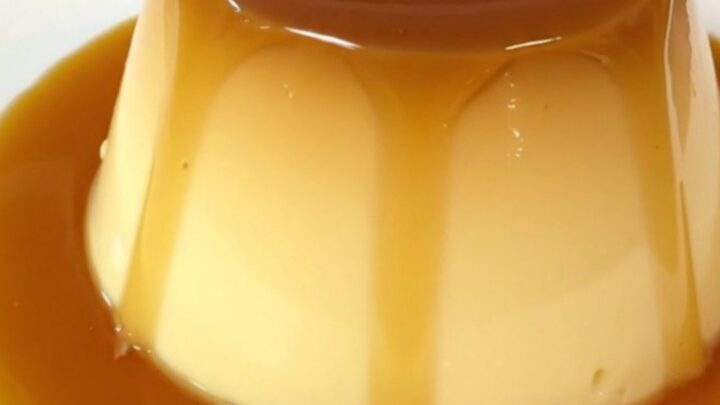
After the chilling period, the custard should feel firm and cool to the touch. When you invert the plate over the insert and flip it, the custard should release cleanly onto the plate. The caramel should flow gracefully from the top down over the sides of the custard, creating a glossy, amber-colored coating. If it does not release immediately, tap the bottom of the insert gently or use a warm towel around the sides to help the caramel loosen.
Common mistakes
A common mistake is whisking the egg mixture too vigorously, which introduces excess air and creates holes in the finished custard. Always whisk gently to combine the ingredients without creating foam.
Another error is failing to chill the custard sufficiently; unmolding a warm custard will result in it losing its structure and collapsing on the plate. Finally, avoid opening the slow cooker lid repeatedly, as this releases the trapped steam and heat, which can lead to uneven cooking and a longer total time.
How to tell it’s done
The custard is ready when the edges are firm and have pulled slightly away from the sides of the ceramic insert. The center should still have a gentle, jelly-like wobble when shaken. It is essential that the internal temperature reaches 160°F (71°C) to ensure the eggs are fully set.
Avoid overcooking, as this can lead to a rubbery texture rather than the desired silky consistency. Once removed from the heat, the custard will continue to set as it cools, achieving the perfect texture after chilling.
- Egg dishes: 160°F (71°C) in the thickest part
Up next · Part 3 of 3
2 variations · storage & make-ahead · 3 answers · printable card
Tips, FAQ & printable recipe (Part 3)← Back to the ingredients (Part 1)