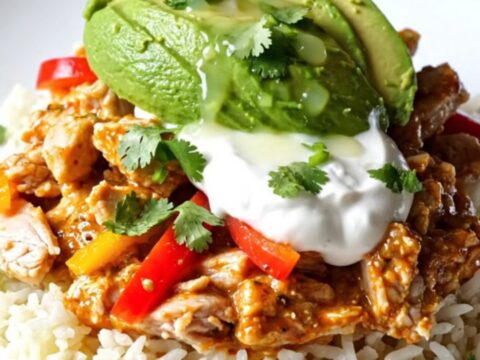
Dinner · Part 3 of 3: Tips & recipe card
Slow-Cooker Creamy Fajita Steak, Potato & Queso Blanco Casserole Tips, FAQ & printable recipe
- Prep
- Cook
- Total
- Serves
- 8
Tips for success
For the most tender steak, choose a well-marbled cut like sirloin or flank. Slicing against the grain is key—this shortens the muscle fibers and makes each bite easier to chew.
If you have time, let the seasoned steak sit in the fridge for 30 minutes before layering to deepen the flavor. When layering, spread the ingredients evenly so they cook uniformly.
To prevent the queso from sticking to the sides of the slow cooker, lightly coat the insert with nonstick spray before adding the ingredients. If you prefer a thicker sauce, stir in a tablespoon of cornstarch mixed with water during the last 30 minutes of cooking.
For a smoky twist, add a teaspoon of smoked paprika to the fajita seasoning. And always use a thermometer to ensure the steak reaches 145°F (63°C).
Variations
- Chicken Fajita Casserole: Substitute boneless, skinless chicken thighs for the sirloin. Cook on LOW for 4 hours or until chicken reaches 165°F (74°C). Shred the chicken before adding the Pepper Jack for a pulled-chicken texture.
- Spicy Chorizo Version: Replace the sirloin with fresh Mexican chorizo, removed from casings. Brown the chorizo in a skillet first to render fat, then layer with the potatoes and peppers. Reduce fajita seasoning to 2 tablespoons as chorizo is highly seasoned.
- Vegetarian Black Bean: Omit the steak and add 2 cans of drained black beans. Increase the potatoes to 3 pounds. Cook on LOW for 4 hours, then top with Pepper Jack. The beans add protein and a creamy texture.
- Smoky Chipotle: Add 2 minced chipotle peppers in adobo sauce to the queso blanco before pouring. The smoky heat complements the fajita seasoning and adds depth. Garnish with extra cilantro and a drizzle of crema.
Storage and make-ahead
- Fridge
- Store leftovers in an airtight container in the refrigerator for up to 4 days. Reheat with a splash of milk to restore creaminess.
- Freezer
- Freeze in a freezer-safe container for up to 3 months. Thaw overnight in the refrigerator before reheating.
- Reheat
- Reheat in the microwave or on the stovetop over medium-low heat, stirring occasionally, until hot and bubbly. Add a splash of milk if needed.
Leftovers can be stored in an airtight container in the refrigerator for up to 4 days. Reheat gently in the microwave or on the stovetop with a splash of milk or broth to restore creaminess.
The flavors will continue to develop overnight, making the leftovers even more delicious. Cool the casserole within 2 hours of cooking and refrigerate promptly.
The layers can be assembled in the slow cooker insert the night before and stored in the refrigerator. In the morning, place the insert in the slow cooker base and cook on LOW for 5 hours.
If starting from cold, add an extra 30 minutes to the cooking time. The queso and seasonings can be mixed ahead and kept in a separate container, then poured over the top just before cooking.
Serving ideas
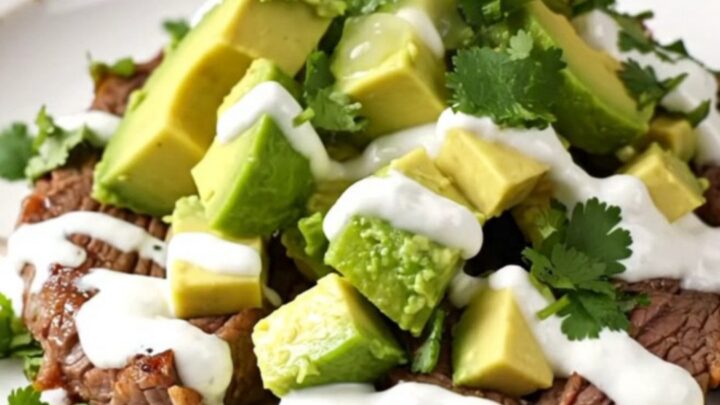
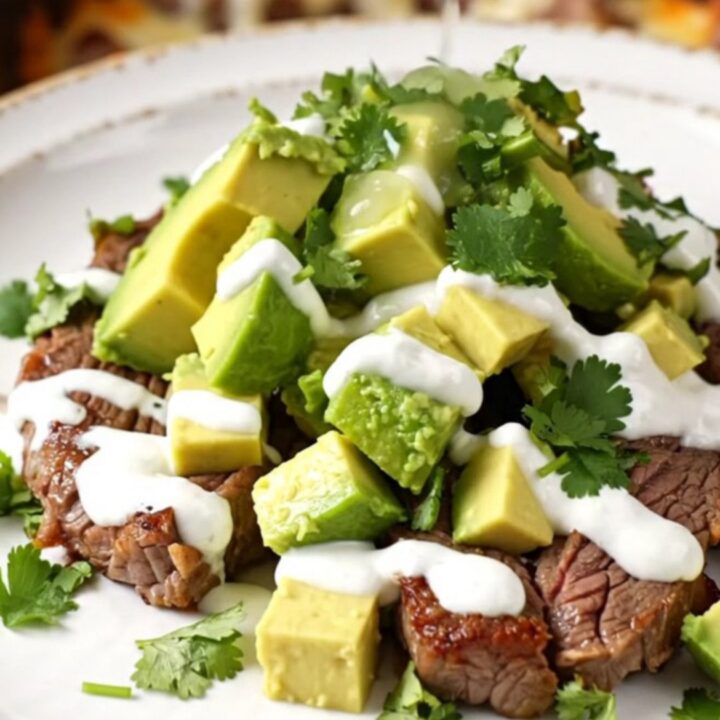
Serve this casserole straight from the slow cooker for a casual, family-style meal. Scoop generous portions onto warm plates and let everyone add their own toppings—diced avocado, a dollop of sour cream, a sprinkle of cilantro, and a squeeze of lime. The cool, creamy toppings balance the rich, cheesy casserole and add brightness.
For a complete Tex-Mex spread, offer warm tortillas or tortilla chips on the side. The casserole can be used as a filling for tacos or burrito bowls, or simply enjoyed on its own. A side of Mexican rice or a simple green salad would round out the meal. The dish is hearty enough to be a main course, but also works as a party dip if served with chips.
Frequently asked questions
Can this casserole be made ahead of time?
Why does the queso sometimes separate or curdle?
Can the steak be substituted with another cut?
Is it necessary to brown the steak before slow cooking?
How can the spice level be adjusted?
Slow-Cooker Creamy Fajita Steak, Potato & Queso Blanco Casserole
Ingredients
- 2 lb sirloin steak, sliced into thin strips
- 2 lb baby gold potatoes, halved
- 3 bell peppers (red, yellow, orange), sliced
- 3 tbsp fajita seasoning
- 16 oz white queso blanco, melted or jarred
- 2 cups shredded Pepper Jack cheese
- 1 avocado, diced, for serving
- 1/2 cup sour cream, for serving
- 1/4 cup chopped fresh cilantro, for serving
- 1 lime, cut into wedges, for serving
Instructions
- Place the sliced sirloin steak in an even layer in the bottom of a 6-quart slow cooker. Scatter the halved baby gold potatoes over the steak, then arrange the sliced bell peppers on top. Sprinkle the fajita seasoning evenly over the vegetables and meat.
- Pour the white queso blanco evenly over the top of the layered ingredients. Use a spoon or spatula to spread it gently, making sure it reaches the edges and coats the peppers and potatoes.
- Place the lid on the slow cooker and set it to LOW. Cook for 5 hours, or until the potatoes are fork-tender and the steak is cooked through. Avoid opening the lid during cooking to keep the heat steady. Let it rest for 3 minutes before slicing.
- After the cooking time, uncover the slow cooker and sprinkle the shredded Pepper Jack cheese evenly over the hot casserole. Replace the lid and let it sit for 5 minutes, allowing the cheese to melt into a bubbly blanket.
- To ensure the steak is safe to eat, insert an instant-read thermometer into the thickest piece of steak. It should read at least 145°F (63°C). Let the casserole rest for at least 3 minutes before serving.
- Scoop the casserole onto warm plates. Top each serving with diced avocado, a dollop of sour cream, chopped cilantro, and a squeeze of fresh lime juice. Serve immediately while hot and creamy.
Estimated nutrition per serving
- Calories
- 580
- Protein
- 38 g
- Carbohydrates
- 28 g
- Fat
- 35 g
Next recipe
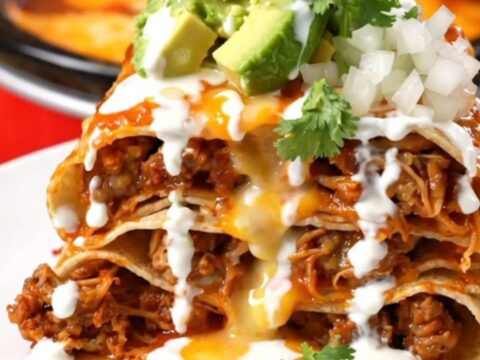
Crockpot Pork Al Pastor Taco Lasagna for Easy Weeknight Dinners
See the recipe → →This recipe is based on a short cooking video and is published under the pen name Clara Weller. It was checked before publication, but errors can slip through. Nutrition, when shown, is an estimate. Read more in our editorial policy and on our food safety page.
More recipes to try
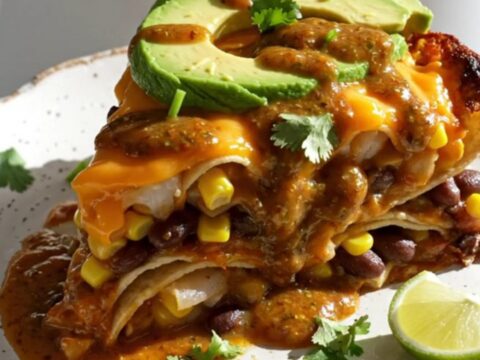
Slow-Cooker Creamy Chipotle Shrimp Enchilada Bake
Total time: 2 h 20 min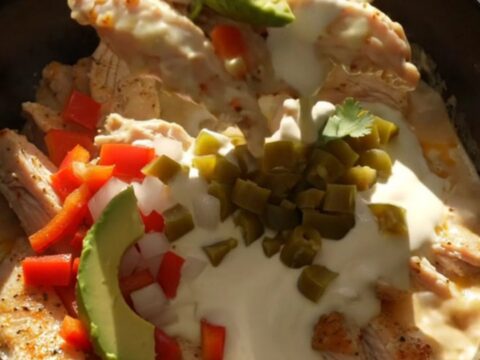
Slow-Cooker Pollo con Queso: Creamy Tex-Mex Chicken
Total time: 3 h 45 min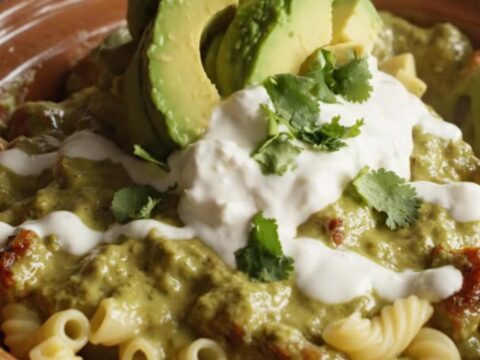
Slow-Cooker Texas Brisket and Hatch Green Chile Mac and Cheese
Total time: 2 h 45 min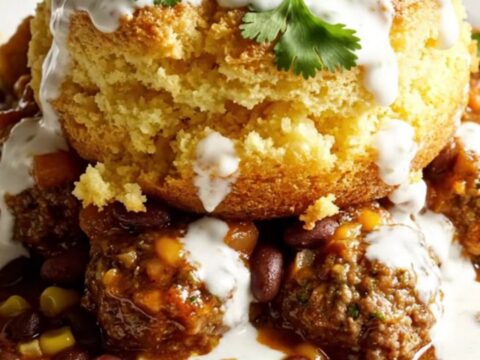
Slow-Cooker Spicy Chipotle Meatball and Cornbread Casserole
Total time: 3 h 15 min
Slow-Cooker Birria Shredded Beef for Tacos and Quesadillas
Total time: 8 h 18 min