Dinner · Part 3 of 3: Tips & recipe card
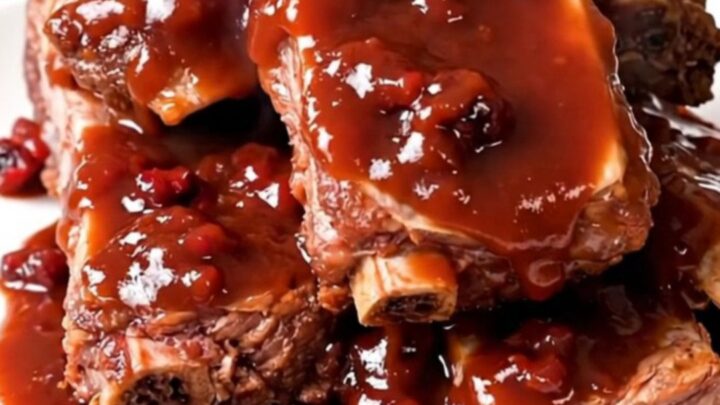
Slow Cooker Cranberry Barbecue Baby Back Ribs Tips, FAQ & printable recipe
- Prep
- Cook
- Total
- Serves
- 4
Tips for success
To achieve an even more intense flavor, you can rub the seasoning onto the ribs and let them sit in the refrigerator for up to an hour before placing them in the slow cooker. This allows the spices to penetrate the surface of the meat more deeply.
If you prefer a slightly charred finish, you can place the cooked ribs under the broiler for 2-3 minutes, watching them closely to prevent the sugar in the sauce from burning.
When serving, consider pairing these ribs with a fresh, crunchy coleslaw or potato salad to balance the richness of the barbecue sauce. The tanginess of the cranberry works particularly well with creamy sides.
If you have extra sauce left in the slow cooker, you can skim off any excess fat and drizzle it over the ribs just before serving to add extra shine and flavor to the final dish.
Variations
- Spicy Cranberry Ribs: Add 1 tablespoon of chopped chipotle peppers in adobo sauce to the cranberry barbecue sauce before pouring it over the ribs for a smoky, spicy kick.
- Citrus Infused Ribs: Stir in the zest of one orange into the barbecue sauce. The citrus oils brighten the flavor profile and pair beautifully with the cranberry and onion.
Storage and make-ahead
- Fridge
- Store in an airtight container for up to 3 days.
- Freezer
- Freeze in a freezer-safe bag or container for up to 2 months. Thaw overnight in the refrigerator before reheating.
- Reheat
- Reheat in the oven at 300°F (150°C) until warmed through, or use the microwave in 30-second intervals until hot.
Store any leftover ribs in an airtight container in the refrigerator. They will stay fresh for up to 3 days.
Ensure the ribs have cooled to room temperature, but do not leave them out for more than 2 hours before refrigerating to maintain food safety. Keeping them in the sauce helps prevent the meat from drying out during storage.
You can prepare the ingredients up to 24 hours in advance by dicing the onions and keeping them in a separate container. The ribs can also be seasoned ahead of time and kept refrigerated until you are ready to start the cooking process. This makes it very easy to get dinner started quickly on a busy day.
Serving ideas
Serve the ribs hot, directly from the slow cooker, for the best texture and flavor. Place the ribs on a large platter and drizzle any remaining sauce from the cooker over the top. This presentation is perfect for family-style dining, allowing everyone to help themselves to their preferred portion of the tender, saucy meat.
Accompany the ribs with classic barbecue side dishes such as corn on the cob, green beans, or thick slices of crusty bread to soak up the delicious cranberry barbecue sauce.
The combination of the sweet and tangy glaze with savory sides creates a satisfying dinner that is sure to be a crowd-pleaser at any casual weekend meal.
Frequently asked questions
Can this be made ahead of time?
What if the sauce is too thin?
Can pork chops be used instead of ribs?
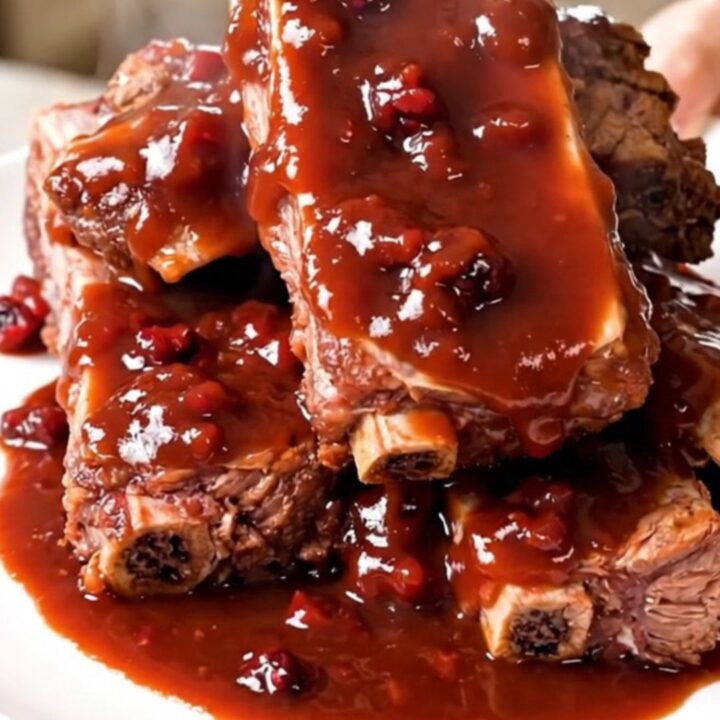
Slow Cooker Cranberry Barbecue Baby Back Ribs
Ingredients
- 2 lb baby back ribs, halved
- 1/2 cup red onion, diced
- 1 packet onion herb seasoning
- 1 cup cranberry barbecue sauce
Instructions
- Place the halved baby back ribs into the base of the slow cooker, ensuring they are arranged in an even layer to promote consistent cooking throughout the process.
- Scatter the diced red onion over the ribs, sprinkle the onion herb seasoning packet evenly across the meat, and pour the cranberry barbecue sauce over the top to coat.
- Cover and cook on low for 6 hours until the meat is tender, reaching an internal temperature of at least 145°F (63°C). Allow the ribs to rest for 10 minutes before serving.
Estimated nutrition per serving
- Calories
- 480
- Protein
- 25 g
- Carbohydrates
- 35 g
- Fat
- 26 g
- Fiber
- 1.5 g
- Sugar
- 28 g
- Sodium
- 850 mg
Next recipe
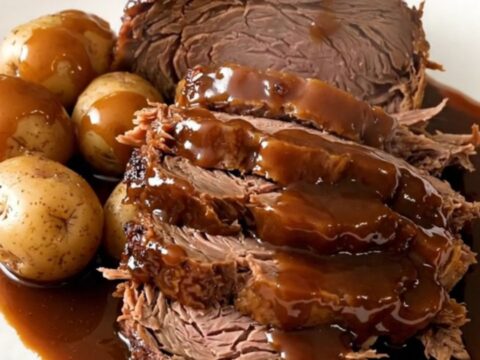
Slow Cooker Molasses Glazed Pot Roast
See the recipe → →This recipe is based on a short cooking video and is published under the pen name Clara Weller. It was checked before publication, but errors can slip through. Nutrition, when shown, is an estimate. Read more in our editorial policy and on our food safety page.
More recipes to try

Creamy Tuscan Chicken Tortellini for an Easy Weeknight Dinner
Total time: 4 h 10 min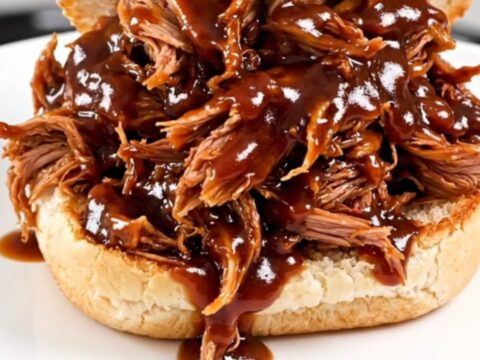
Slow Cooker Cherry Cola Pulled Pork for Easy Weeknight Dinners
Total time: 8 h 20 min
One-Pot Beef and Butternut Squash Chili
Total time: 4 h 15 min
Slow Cooker Creamy Ranch Jalapeno Chicken
Total time: 4 h 10 min
Slow Cooker Ground Turkey and White Bean Soup
Total time: 4 h 5 min