Dinner · Part 1 of 3: Ingredients
Slow Cooker Corsican Veal Stew with Pancetta and White Wine
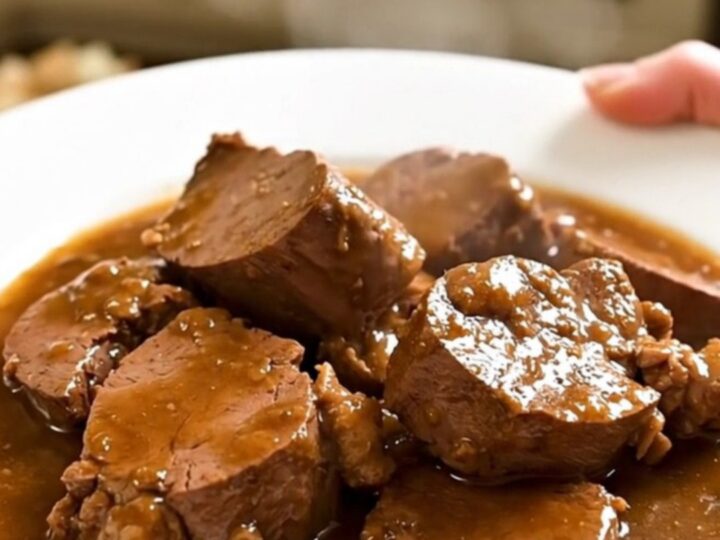
- Prep
- Cook
- Total
- Serves
- 4
Discover the art of slow-cooked perfection with this classic Corsican veal stew. By marrying the delicate texture of veal with the salty bite of pancetta and the brightness of white wine, this dish creates a sophisticated profile that feels truly special.
It is a masterclass in building flavor through simple, intentional layering, resulting in a meal that is as comforting as it is elegant. Perfect for those seeking a dinner that requires minimal intervention but delivers maximum satisfaction.
This recipe focuses on the traditional Corsican approach to slow-cooked meats, where quality ingredients are allowed to shine through gentle, prolonged heat. The veal becomes remarkably tender, absorbing the savory essence of the pancetta and the aromatic notes of the fresh rosemary.
The white wine and tomato paste base reduces into a glossy, concentrated sauce that coats every piece of meat, providing a balanced, savory depth that is characteristic of Mediterranean slow-cooked dishes. It is a straightforward yet refined way to elevate your home cooking.
Ingredients
Main Ingredients
- 2 lb veal chunks for stewing
- 1 cup sliced onions
- 4 oz pancetta strips
- 2 sprigs fresh rosemary
Sauce
- 2 tbsp tomato paste
- 1 cup dry white wine
Why this recipe works
The slow cooking method works by breaking down the connective tissues in the veal chunks, which is essential for achieving a melt-in-the-mouth texture. By keeping the lid on throughout the cooking time, you create a self-basting environment where the moisture from the wine and the juices released by the meat circulate, ensuring the veal remains succulent and flavorful. This technique effectively concentrates the flavors, allowing the rosemary and pancetta to infuse the sauce deeply.
Layering the ingredients is a crucial step that promotes even flavor distribution. Placing the veal at the bottom ensures it stays submerged in the cooking liquids, while the onions and pancetta on top release their fats and juices slowly, flavoring the entire dish as they cook.
This methodical arrangement prevents the ingredients from sticking and allows the aromatics to permeate the meat, resulting in a cohesive and deeply satisfying stew that requires almost no active effort once started.
Notes and substitutions
When selecting veal for this recipe, look for pieces that are uniform in size to ensure they cook evenly. If veal is unavailable, high-quality beef chuck roast is an excellent substitute, as it shares similar properties and benefits from the same slow-cooking process.
Ensure that you use a dry white wine such as a Pinot Grigio or Sauvignon Blanc; avoid sweet or cooking wines, as they contain added sugars and high sodium levels that can negatively impact the final balance of the sauce.
The choice of equipment is simple, as a standard slow cooker is the ideal vessel for this preparation. Ensure your slow cooker is clean and the power cord is unobstructed before beginning. While the recipe uses two sprigs of fresh rosemary, feel free to adjust the amount if you prefer a more subtle herbaceous aroma. The use of a glass measuring cup for mixing the tomato paste and wine is recommended to ensure a smooth, lump-free sauce before it is added to the pot.
- veal chunks: beef chuck roast cut into cubes
- pancetta: thick-cut bacon
Equipment
- Slow cooker
- Glass measuring cup
- Chef's knife
- Cutting board
Up next · Part 2 of 3
3 steps · 6 h of cooking · what to look for at each stage
Step-by-step instructions (Part 2)