Dinner · Part 2 of 3: Instructions
Slow Cooker Cola Ribs for Fall-Off-The-Bone Tenderness Step-by-step instructions
- Prep
- Cook
- Total
- Serves
- 4
Before you start
Before beginning, ensure the slow cooker insert is clean and dry. Remove the pork ribs from their packaging and pat them dry with paper towels. Use a butter knife and a paper towel to grip and peel away the thin, membrane-like silver skin from the bone side of the ribs if this has not already been done by the butcher.
Cut the rack of ribs into smaller portions of three to four ribs each so they fit comfortably inside the slow cooker bowl without sticking out.
Ingredients at a glance (3)
- 4 lb pork baby back ribs, silver skin removed
- 12 oz cola
- 1 1/2 cups barbecue sauce
Instructions
Preparation and Liquid Setup
- Arrange the RibsPlace the portioned pork ribs into the slow cooker insert. Stand them upright against the walls of the cooker or stack them loosely to ensure the heat circulates evenly around the meat during the long cooking process.Look for The ribs should fit snugly but not be packed too tightly.Tip Placing the meatier side facing outward against the stoneware helps cook them more efficiently.
- Pour the ColaPour the cola slowly over the arranged pork ribs. Direct the liquid down the side of the slow cooker insert rather than washing over the ribs directly, allowing the soda to pool at the bottom to form the cooking base.Look for The liquid should cover the bottom of the slow cooker insert.Tip Use regular, full-sugar cola for the best flavor development and tenderizing action.
At the end of this phase, the portioned ribs are arranged neatly inside the slow cooker insert, and the sweet cola has been poured in. The liquid should sit at the bottom of the cooker, surrounding the base of the ribs. The meat should look raw but clean, ready for the long, slow simmering process to begin. Ensure the lid is sealed tightly before turning on the appliance.
Slow Cooking and Tenderizing
- Slow Cook Until TenderCover the slow cooker with the lid. Cook the ribs on the low setting for seven to eight hours, or on the high setting for three to four hours, until the meat is tender and starts pulling away from the bones.Look for The meat should be tender when pierced with a fork.Tip Avoid opening the lid during the first few hours of cooking to prevent heat loss.
After hours of slow cooking, the ribs will have shrunk slightly, exposing the tips of the bones. The meat should look incredibly tender, delicate, and deeply browned from the sweet cola steam.
A savory, rich aroma will fill the kitchen. The liquid at the bottom will have mingled with the pork juices, creating a dark, flavorful broth. The ribs should be fully cooked through at this stage.
Sauce Glazing and Finishing
- Glaze and CaramelizeCarefully brush the thick barbecue sauce over the caramelized ribs. Cover and cook on high for thirty minutes until the sauce is sizzling, thick, and sticky. Ensure the internal temperature of the meat reaches at least 145°F (63°C) when checked with a meat thermometer, then turn off the slow cooker and let the ribs rest for 3 minutes before serving.Look for The sauce should be bubbling and clinging tightly to the tender meat.Safe temperature 145°F (63°C) internal temperature (steaks, chops and roasts)Tip Use tongs carefully when handling the ribs as they will be extremely tender and may fall apart.
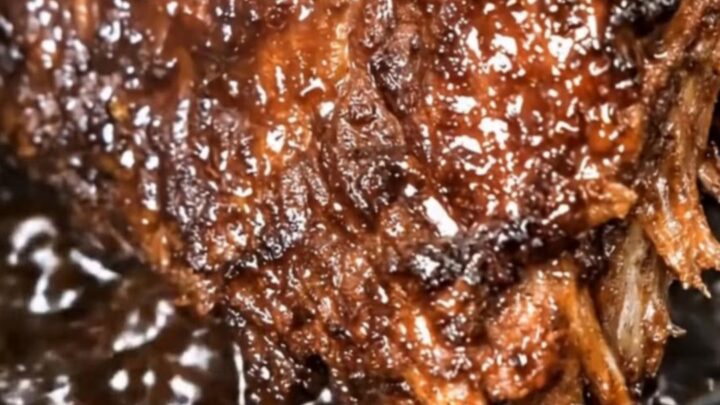
At the final checkpoint, the ribs are coated in a thick, dark, sizzling layer of caramelized barbecue sauce. The glaze should look glossy, sticky, and slightly charred in places, adhering perfectly to the meat. The bones should look clean where the meat has pulled back. When lifted with tongs, the ribs should feel heavy and tender, virtually ready to pull apart under their own weight.
Common mistakes
One common mistake is cooking the ribs on the high setting for too long, which can dry out the meat and make it stringy rather than tender. Always aim for the low setting if time allows.
Another error is using diet cola; the artificial sweeteners do not reduce or caramelize properly, resulting in a bitter, watery sauce. Finally, lifting the lid frequently during the cooking process lets crucial heat and moisture escape, which extends the cooking time and dries out the pork.
How to tell it’s done
The ribs are perfectly done when the meat has visibly shrunk back from the ends of the bones by about half an inch. When pierced with a fork, the meat should yield easily with no resistance, almost falling off the bone.
To ensure food safety, the internal temperature of the pork must reach a minimum of 145°F (63°C) on an instant-read thermometer inserted into the thickest part of the meat without touching the bone, followed by a three-minute rest.
- Steaks, chops and roasts: 145°F (63°C) in the thickest part, then a 3-minute rest
Up next · Part 3 of 3
2 variations · storage & make-ahead · 3 answers · printable card
Tips, FAQ & printable recipe (Part 3)← Back to the ingredients (Part 1)