Dinner · Part 3 of 3: Tips & recipe card
Slow Cooker Chili Lime Snow Crab and Shrimp Tips, FAQ & printable recipe
- Prep
- Cook
- Total
- Serves
- 6
Tips for success
For the best texture, do not overcook the seafood. Even on LOW, shrimp can go from perfectly tender to rubbery in a matter of minutes.
Start checking at the 3-hour mark, and if the shrimp are already done, you can remove them with a slotted spoon and keep them warm while the crab finishes. The crab is more forgiving, but it should not be left in the slow cooker for more than 4 hours total.
The sauce is the unsung hero of this dish. It's a combination of melted butter, white wine, lemon juice from the slices, and the chili-lime seasoning. To make the most of it, serve the seafood with crusty bread or spoon the sauce over steamed rice. If you want a thicker sauce, you can transfer the liquid to a saucepan and simmer it for a few minutes to reduce it, but this is optional.
Variations
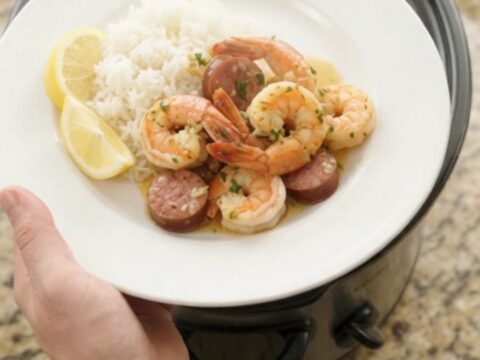
- Add sausage: Add 1/2 pound of sliced andouille or smoked sausage with the crab on the bottom of the slow cooker. The smoky flavor will infuse the broth, making the dish even more hearty and reminiscent of a traditional seafood boil.
- Spicy kick: For extra heat, add 1-2 minced jalapeños or a teaspoon of red pepper flakes along with the chili-lime seasoning. You can also serve with hot sauce on the side for those who want even more spice.
- Herb swap: Replace the cilantro with fresh parsley or dill. Parsley adds a clean, slightly peppery note, while dill pairs beautifully with seafood and lemon. Adjust the amount to taste, as herbs can vary in intensity.
- Citrus variation: Use a combination of lemon and orange slices for a sweeter, more aromatic citrus flavor. The orange will complement the chili-lime seasoning and add a subtle sweetness that balances the brininess of the capers.
Storage and make-ahead
- Fridge
- Store leftovers in an airtight container in the refrigerator for up to 3 days. Remove the crab shells before storing to save space and make reheating easier.
- Freezer
- Freeze cooked seafood in an airtight container for up to 2 months. Thaw overnight in the refrigerator before reheating gently.
- Reheat
- Reheat gently in a skillet over low heat with a splash of water or broth to prevent drying.
Leftover seafood can be stored in an airtight container in the refrigerator for up to 3 days. The sauce may solidify when chilled, but it will re-melt when reheated.
To reheat, gently warm the seafood in a skillet over low heat with a splash of water or broth, or in the microwave in short bursts, being careful not to overcook the shrimp. The crab shells can be removed before storing to save space.
This recipe is best cooked fresh, but you can prepare the ingredients ahead of time. Slice the lemons, chop the cilantro, and mix the chili-lime butter up to a day in advance. Store the butter in the refrigerator and re-melt it before using.
You can also assemble the entire dish in the slow cooker insert and refrigerate it overnight, then place it in the slow cooker base and start cooking when ready. Add 30 minutes to the cooking time if starting from cold.
Serving ideas
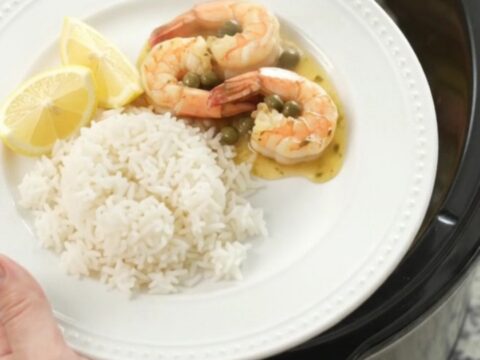
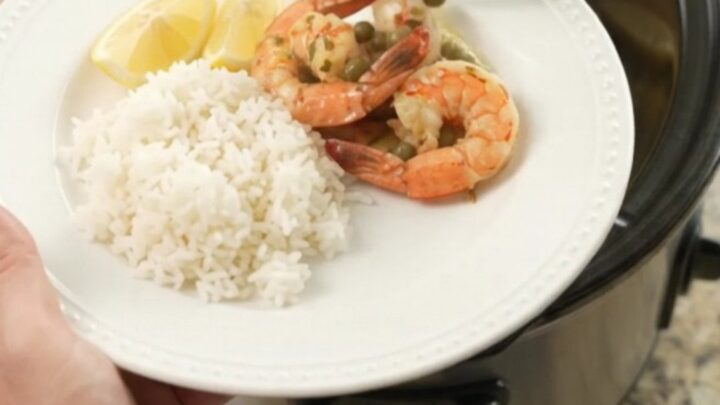
Serve this seafood boil over steamed jasmine rice to soak up the buttery sauce. The rice's neutral flavor and fluffy texture provide a perfect counterpoint to the rich, zesty seafood.
For a low-carb option, serve it with cauliflower rice or simply on its own with a side of crusty bread for dipping into the sauce. A sprinkle of extra cilantro and a few lemon wedges on the table let everyone adjust the brightness to their liking.
This dish is substantial enough to be a main course on its own, but it also pairs well with a crisp green salad or grilled vegetables. For a seafood feast, serve it alongside other slow cooker favorites like garlic butter mushrooms or a simple tomato salad. The chili-lime flavors also work well with a cold beer or a glass of the same white wine used in the cooking liquid.
Frequently asked questions
Can this recipe be made with frozen seafood?
What is the best way to reheat leftovers without overcooking the shrimp?
Can this recipe be cooked on HIGH instead of LOW?
What can be used instead of white wine?
Is it necessary to use Meyer lemons?
Slow Cooker Chili Lime Snow Crab and Shrimp
Ingredients
- 2 lb snow crab clusters
- 2 lb jumbo shrimp, peeled and deveined
- 2 Meyer lemons, thinly sliced
- 1/4 cup capers, drained
- 1/2 cup dry white wine
- 1/2 cup unsalted butter, melted
- 2 tbsp chili-lime seasoning
- 1/2 cup fresh cilantro, chopped
- Steamed jasmine rice, for serving
- Lemon wedges, for serving
Instructions
- Place the snow crab clusters in the bottom of a 6-quart slow cooker. Add the jumbo shrimp on top, spreading them evenly. The seafood should fill the insert but not overflow.
- Lay the lemon slices over the seafood, tucking a few between the crab and shrimp. Sprinkle the capers evenly over the top. Pour the white wine around the edges of the slow cooker, not directly over the seafood, to avoid washing away the seasonings.
- In a small bowl, stir the melted butter with the chili-lime seasoning until well combined. Pour the butter mixture evenly over the seafood and aromatics. Sprinkle the chopped cilantro over the top.
- Cover the slow cooker and cook on LOW for 3 to 4 hours, until the shrimp are opaque and the crab is heated through. Do not stir during cooking, as this can break up the crab clusters.
- After 3 hours, check the shrimp by cutting into one: it should be opaque throughout with no translucent center. The crab meat should be hot and easily pulled from the shell. If not done, continue cooking for up to 1 more hour.
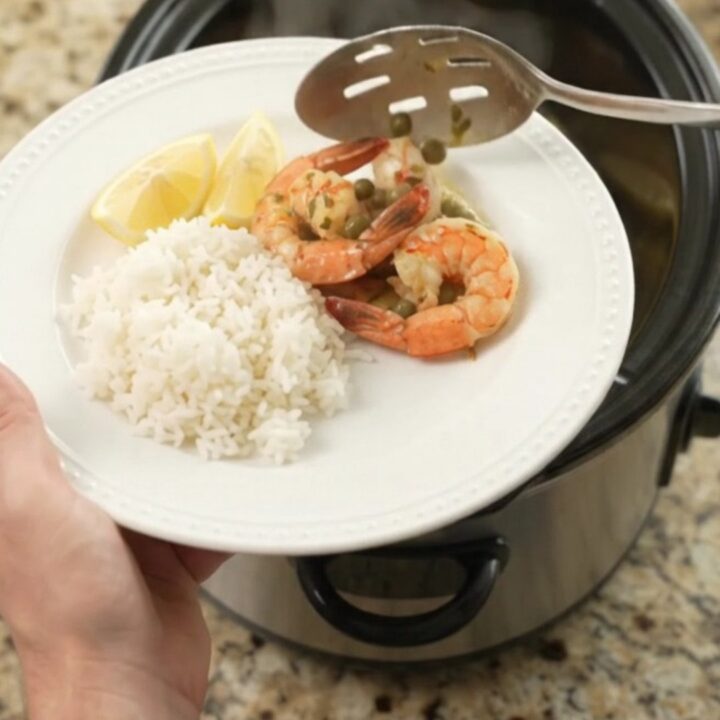
- Using a slotted spoon, transfer the seafood and aromatics to a serving platter or directly over steamed jasmine rice. Spoon some of the cooking liquid over the top. Serve with lemon wedges on the side.
Estimated nutrition per serving
- Calories
- 380
- Protein
- 35 g
- Carbohydrates
- 12 g
- Fat
- 22 g
Next recipe
Old Bay Butter Andouille Boil Snow Crab
See the recipe → →This recipe is based on a short cooking video and is published under the pen name Clara Weller. It was checked before publication, but errors can slip through. Nutrition, when shown, is an estimate. Read more in our editorial policy and on our food safety page.
More recipes to try
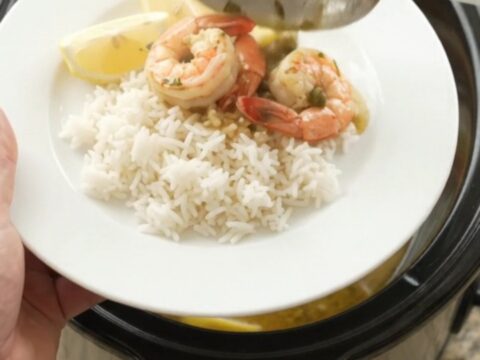
Herb Butter Lemon Capers Snow Crab: 10-Minute Prep Crockpot Seafood
Total time: 4 h 10 min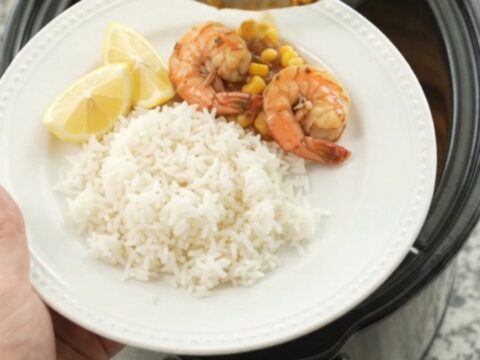
Bayou Butter Garlic Corn Snow Crab: One-Pot Slow Cooker Seafood
Total time: 3 h 15 min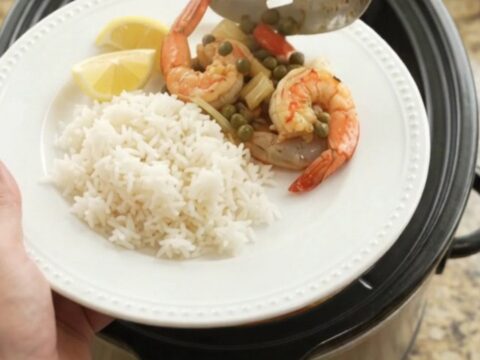
Bayou Butter Lemon Capers Snow Crab
Total time: 4 h 10 min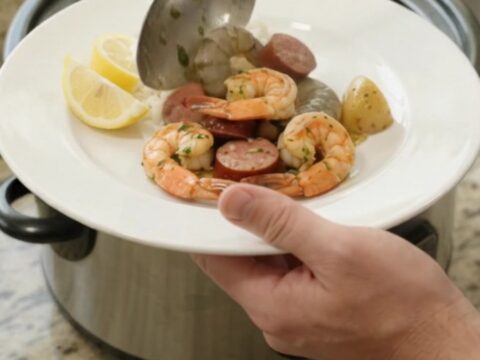
Slow Cooker Herb Butter Seafood Boil
Total time: 4 h 15 min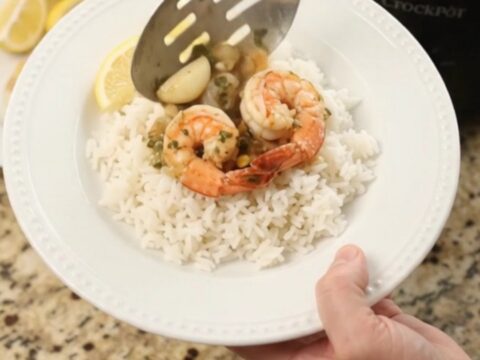
Slow-Cooker Old Bay Butter Garlic Snow Crab and Shrimp
Total time: 3 h 15 min