Dinner · Part 3 of 3: Tips & recipe card
Slow Cooker Chicken Ragù for Easy Weeknight Dinners Tips, FAQ & printable recipe
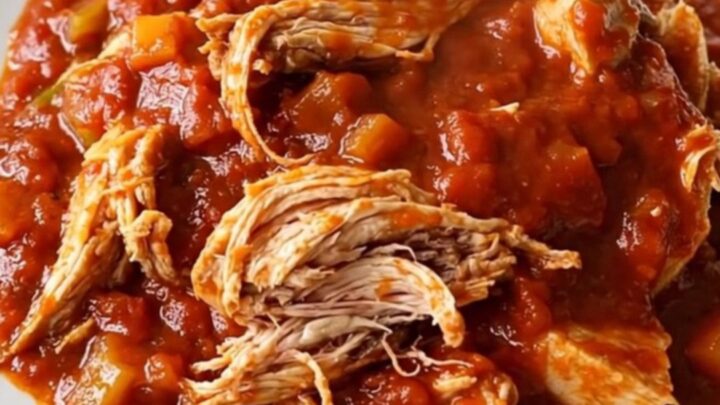
- Prep
- Cook
- Total
- Serves
- 4
Tips for success
To add an extra layer of depth to the sauce, you can briefly sauté the onions and carrots in a pan before adding them to the slow cooker, though this is optional.
Adding a pinch of red pepper flakes can introduce a subtle heat that complements the sweetness of the tomatoes and carrots, providing a balanced flavor profile for those who enjoy a bit of spice.
When serving, consider the vessel you use. The ragu pairs beautifully with a variety of starches, such as creamy polenta, mashed potatoes, or your favorite pasta shape.
If the sauce seems too thin after shredding the chicken, you can leave the lid off for the final thirty minutes of cooking to allow some of the excess moisture to evaporate and concentrate the flavors.
Variations
- Spicy Tomato Ragu: Add one teaspoon of crushed red pepper flakes to the seasoning mix for a gentle, warming heat that pairs perfectly with the acidity of the crushed tomatoes.
- Herbed Garden Ragu: Stir in a handful of fresh chopped herbs like parsley or basil right before serving to add a vibrant, fresh note to the deep, slow-cooked flavors.
Storage and make-ahead
- Fridge
- Keep in an airtight container in the refrigerator for up to 3 days.
- Freezer
- Freeze in a freezer-safe container for up to 2 months.
- Reheat
- Reheat on the stovetop over low heat until warmed through, or microwave in 30-second intervals.
Store any leftovers in an airtight container. Allow the dish to cool for no more than 2 hours at room temperature before transferring it to the refrigerator to ensure food safety.
This dish is an excellent candidate for meal prep. You can assemble all the ingredients in the slow cooker insert the night before and keep it in the refrigerator.
Simply remove it from the fridge and place it in the slow cooker base when you are ready to start the cooking process, adding a few extra minutes to the total time to account for the chilled ingredients.
Serving ideas
Serve the ragu hot, spooned generously over a bed of al dente pasta or creamy polenta. The thick tomato sauce and tender chicken make it a hearty main course that stands well on its own. A simple side salad with a light vinaigrette can provide a refreshing contrast to the richness of the ragu, creating a well-rounded and satisfying meal for your guests.
For a more rustic presentation, serve the ragu in deep bowls with a side of crusty bread to soak up the flavorful sauce.
You may also garnish each portion with a sprinkle of freshly grated parmesan cheese or a few torn basil leaves if you have them on hand. These simple additions enhance the visual appeal and provide a fresh finish to the comforting dish.
Frequently asked questions
Can this be made ahead?
Why does the sauce seem thin?
Can this be frozen?
Slow Cooker Chicken Ragù for Easy Weeknight Dinners
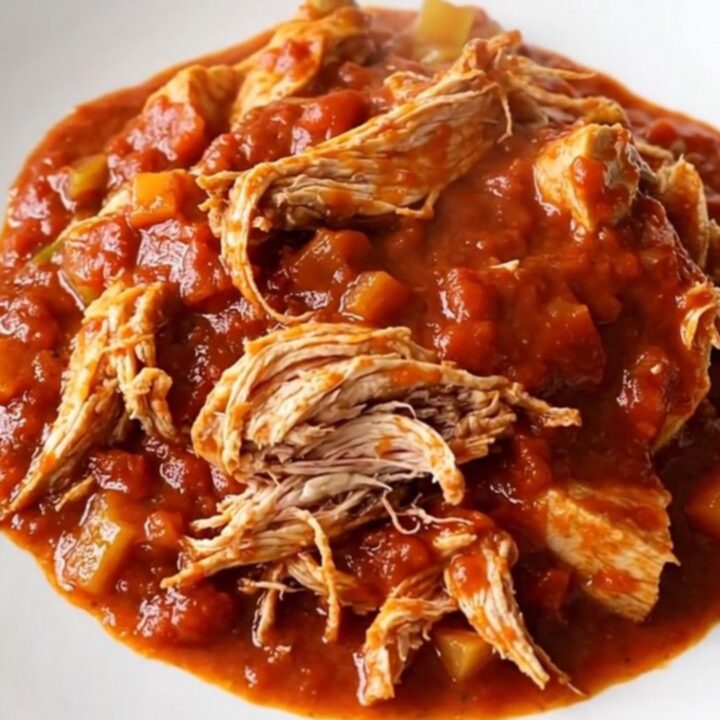
Ingredients
- 2 lb boneless skinless chicken thighs
- 1 medium carrot, diced
- 1 small onion, diced
- 1 stalk celery, diced
- 1 tbsp Italian seasoning
- 28 oz crushed tomatoes
Instructions
- Place the raw boneless skinless chicken thighs flat into the bottom of the slow cooker insert. Ensure they are arranged in an even layer to promote consistent cooking throughout the process.
- Scatter the diced carrots, onions, and celery evenly over the chicken. Sprinkle the Italian seasoning over the vegetables, ensuring even coverage to distribute the flavor profile effectively across the entire dish.
- Pour the crushed tomatoes over the chicken and vegetables. Cover the slow cooker and cook on low for 4 to 6 hours or until the chicken reaches 165°F (74°C) and is easily shredded with a fork.
Estimated nutrition per serving
- Calories
- 320
- Protein
- 28 g
- Carbohydrates
- 15 g
- Fat
- 16 g
- Fiber
- 4 g
- Sugar
- 8 g
- Sodium
- 450 mg
Next recipe

Slow Cooker Turkey Enchilada Chili for Easy Weeknight Dinners
See the recipe → →This recipe is based on a short cooking video and is published under the pen name Clara Weller. It was checked before publication, but errors can slip through. Nutrition, when shown, is an estimate. Read more in our editorial policy and on our food safety page.
More recipes to try
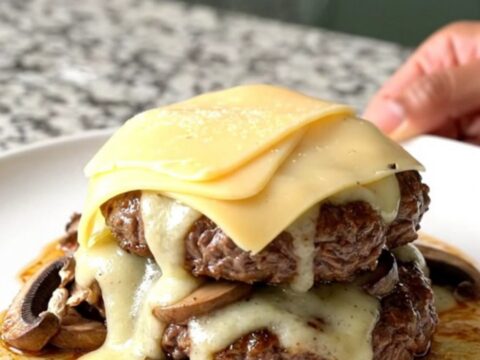
Slow Cooker Mushroom Swiss Burger Steaks
Total time: 4 h 15 min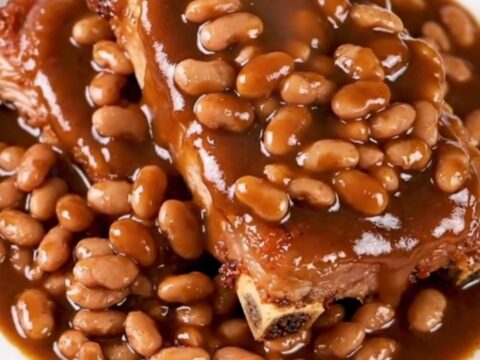
Slow Cooker Cowboy Country-Style Ribs and Baked Beans
Total time: 6 h 15 min
Creamy Buttery Cracker Chicken Noodle Bake
Total time: 45 min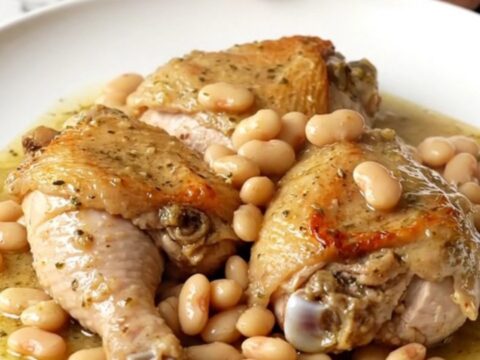
Creamy Slow Cooker Chicken and Butter Beans
Total time: 4 h 10 min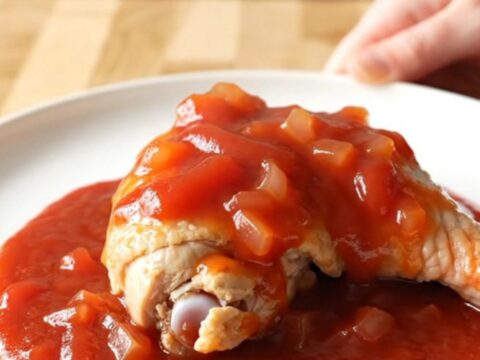
Slow Cooker Sweet Ketchup Chicken Leg Quarters
Total time: 6 h 15 min