Dinner · Part 1 of 3: Ingredients
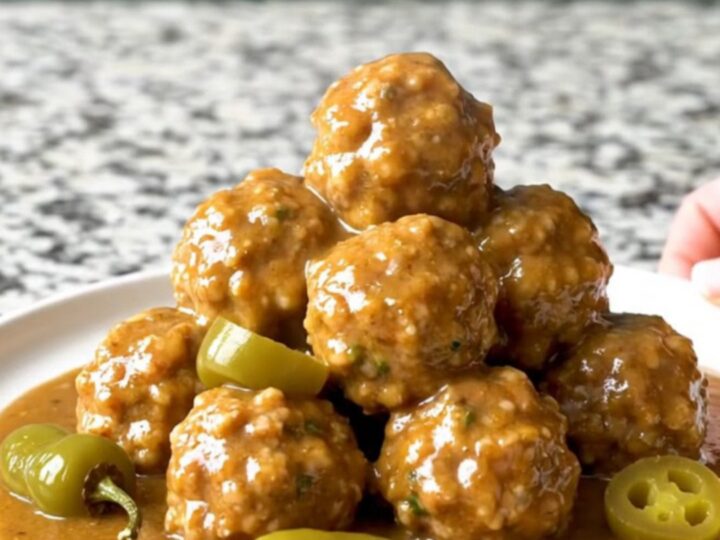
Slow Cooker Mississippi Turkey Meatballs for Easy Dinners
- Prep
- Cook
- Total
- Serves
- 6
Transform simple pantry staples into a savory, indulgent dinner with these slow cooker Mississippi turkey meatballs. This recipe captures the iconic tangy and buttery profile of the classic Mississippi roast, offering a lighter twist by using turkey while maintaining all the deep, comforting flavors that make this dish a perennial favorite for busy families looking for a stress-free meal solution.
Mississippi-style cooking is famous for its unique combination of tangy pepperoncini, savory au jus, and rich butter. By applying these bold ingredients to pre-cooked turkey meatballs, you create a dish that feels sophisticated yet remains incredibly easy to prepare.
This recipe eliminates the need for complex techniques, as the slow cooker does the heavy lifting, allowing the flavors to meld perfectly over several hours. It is an ideal choice for those evenings when you want a hearty, flavorful meal without spending hours in the kitchen, providing a reliable result every single time you cook it.
Ingredients
Main
- 24 count precooked turkey meatballs
Sauce
- 1 packet dry ranch seasoning mix
- 1 packet au jus gravy mix
- 1/2 cup unsalted butter, cubed
- 1/2 cup whole pepperoncini peppers
Why this recipe works
The slow cooker method is essential for this recipe because it allows the meatballs to gently simmer in the sauce. During this long cooking process, the turkey absorbs the savory notes of the au jus and the sharp, acidic tang of the pepperoncini.
The butter emulsifies with the seasoning packets to create a silky, decadent gravy that coats every meatball, ensuring that each bite is moist, flavorful, and perfectly seasoned throughout the entire serving.
Using precooked meatballs is a strategic shortcut that ensures consistency and saves significant time. Because the meatballs are already structured, they hold their shape perfectly during the long, low-heat cooking cycle.
This approach prevents the meatballs from breaking apart, which can happen with raw meat mixtures in a slow cooker. The result is a professional-looking dish that highlights the vibrant, tangy sauce, which is the true star of this classic Mississippi-inspired preparation.
Notes and substitutions
When selecting your ingredients, prioritize a high-quality ranch seasoning packet, as it provides the essential herb profile for the sauce. The type of pepperoncini you choose also matters; using the jarred variety in brine adds the necessary acidity to balance the richness of the butter.
If you prefer a milder flavor, you can reduce the amount of pepperoncini, but the brine is crucial for the signature Mississippi taste profile that defines this dish.
Regarding equipment, a standard oval slow cooker is ideal for this recipe as it allows for an even distribution of the meatballs. If you find that your slow cooker tends to run hot, monitor the sauce periodically to ensure it does not reduce too quickly. The goal is a thick, glossy gravy that clings to the meatballs. Always ensure the lid is properly seated to trap the heat and moisture required for a tender result.
- turkey meatballs: Use frozen beef or chicken meatballs instead if preferred, adjusting the cooking time as necessary for their size.
- au jus mix: Substitute with a brown gravy packet or a low-sodium beef bouillon base mixed with water for a similar depth.
Equipment
- slow cooker
- measuring cup
- serving spoon
Up next · Part 2 of 3
3 steps · 4 h of cooking · what to look for at each stage
Step-by-step instructions (Part 2)