Dinner · Part 3 of 3: Tips & recipe card
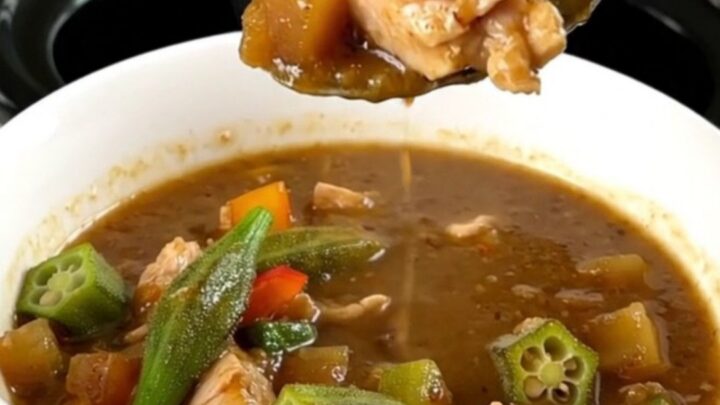
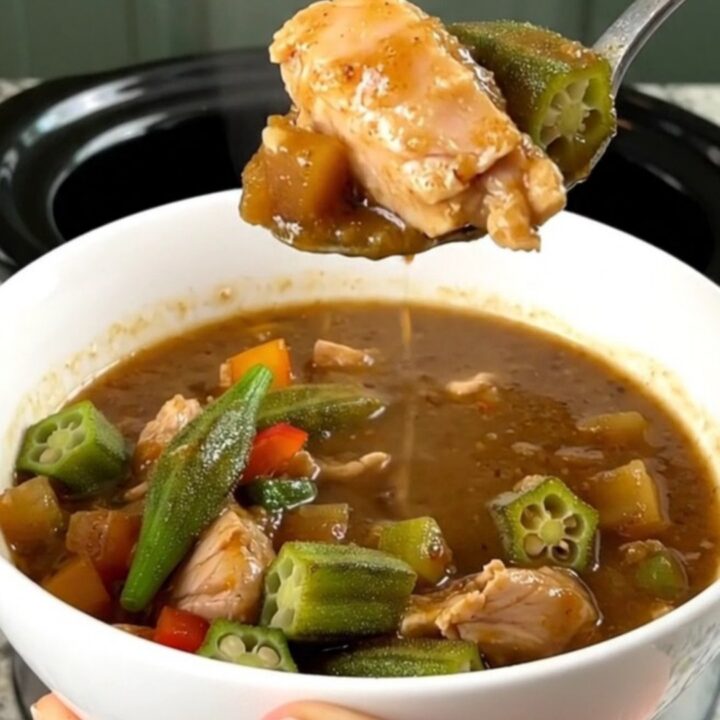
Slow Cooker Chicken and Okra Gumbo Tips, FAQ & printable recipe
- Prep
- Cook
- Total
- Serves
- 6
Tips for success
If you prefer a spicier gumbo, feel free to add a dash of your favorite hot sauce or a pinch of cayenne pepper during the seasoning phase. Adjusting the amount of Cajun seasoning can also significantly alter the flavor profile to suit your personal preference for heat and saltiness.
To serve, ladle the gumbo over a generous scoop of hot steamed white rice in a shallow bowl. A garnish of fresh chopped green onions or a sprinkle of fresh parsley can add a bright, fresh finish that complements the deep, savory flavors of the slow-cooked sauce perfectly.
Variations
- Seafood Gumbo: Replace the chicken with an equal amount of shrimp and crab meat. Add the seafood during the last 30 minutes of cooking to ensure the shellfish remains tender and does not overcook.
- Spicy Sausage Gumbo: Add sliced and browned andouille sausage along with the chicken at the start of the cooking process for a deeper, smoky flavor profile that pairs beautifully with the Cajun seasoning.
Storage and make-ahead
- Fridge
- Store in an airtight container for up to 3 days.
- Freezer
- Freeze in a freezer-safe container for up to 3 months. Thaw in the refrigerator before reheating.
- Reheat
- Reheat in a pot on the stove over medium heat until reaching 165°F (74°C), adding a little water or broth if needed.
Store any leftover gumbo in an airtight container in the refrigerator for up to 3 days. Ensure the gumbo has cooled completely, but within 2 hours, before placing it in the refrigerator to maintain food safety and quality.
When reheating, ensure the gumbo reaches an internal temperature of 165°F (74°C) before serving.
This gumbo is an excellent candidate for making ahead, as the flavors often deepen and improve after sitting in the refrigerator overnight.
Prepare the dish as directed, allow it to cool, and then store it in the refrigerator. Reheat gently on the stovetop or in the microwave, adding a splash of chicken broth if the sauce has thickened too much during storage.
Serving ideas
Serve the gumbo hot in shallow bowls, preferably over a base of fluffy steamed white rice.
The rice acts as a neutral canvas for the rich, flavorful sauce and tender chicken, creating a balanced and satisfying meal that is perfect for cold evenings or when you need a hearty, comforting dinner.
Accompany the gumbo with a side of warm, crusty bread or cornbread to soak up the delicious sauce.
The combination of textures from the tender chicken, soft okra, and the savory, thick broth makes for a complete and enjoyable dining experience that is sure to please everyone at the table.
Frequently asked questions
Can this gumbo be made without a slow cooker?
Why is the roux important in this recipe?
Is it possible to add other vegetables to the gumbo?
Slow Cooker Chicken and Okra Gumbo
Ingredients
- 2 lbs boneless skinless chicken thighs, cut into bite-size pieces
- 2 cups okra, sliced into rounds
- 1 cup bell pepper, diced
- 1 cup onion, diced
- 1 cup celery, diced
- 2 tbsp Cajun seasoning
- 1/2 cup dark roux
- 3 cups chicken broth
Instructions
- Place the bite-size chicken thigh pieces into the bottom of the slow cooker insert. Add the sliced okra, diced bell pepper, diced onion, and diced celery over the chicken in an even layer.
- Sprinkle the Cajun seasoning over the top of the vegetables. In a separate container, whisk the dark roux into the chicken broth until smooth, then pour the mixture over the ingredients in the slow cooker.
- Cover the slow cooker and cook on low for 4 hours. Once cooked, check that the chicken has reached an internal temperature of 165°F (74°C). Let the gumbo rest for 5 minutes before serving to allow the sauce to thicken slightly.
Estimated nutrition per serving
- Calories
- 350
- Protein
- 28.5 g
- Carbohydrates
- 18 g
- Fat
- 16 g
- Fiber
- 3.5 g
- Sugar
- 2 g
- Sodium
- 850 mg
Next recipe
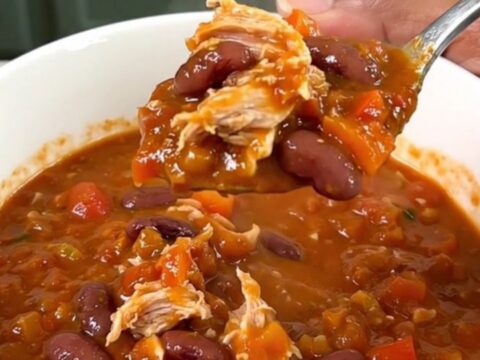
Crockpot Cajun Turkey Chili
See the recipe → →This recipe is based on a short cooking video and is published under the pen name Clara Weller. It was checked before publication, but errors can slip through. Nutrition, when shown, is an estimate. Read more in our editorial policy and on our food safety page.
More recipes to try
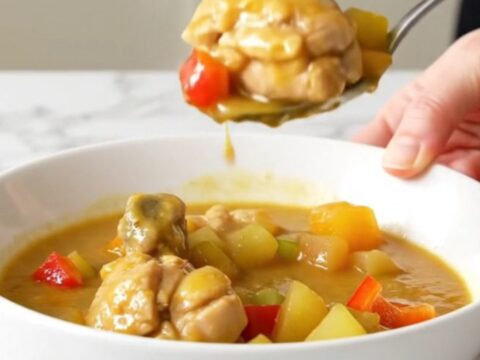
Slow Cooker Chicken Etouffee for Easy Weeknight Dinners
Total time: 4 h 20 min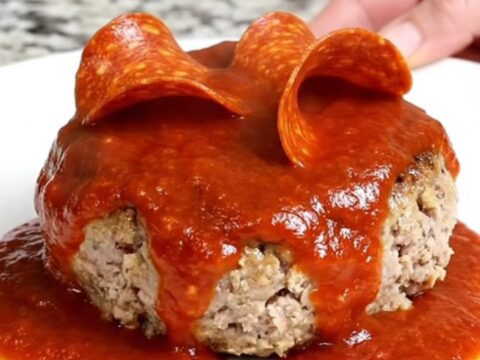
Slow Cooker Pizza Turkey Burger Steaks
Total time: 3 h 10 min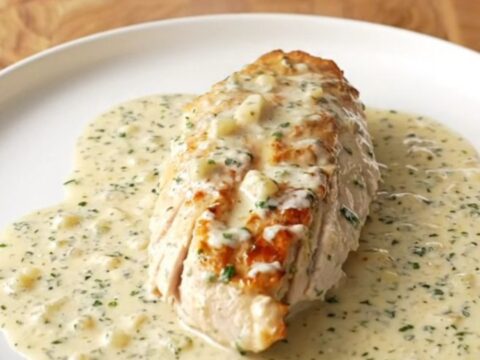
Slow Cooker Creamy Caesar Chicken for Easy Weeknight Dinners
Total time: 4 h 10 min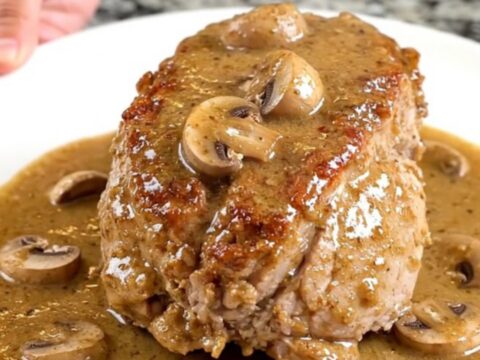
Slow Cooker Pork Tenderloin Marsala with Mushrooms
Total time: 4 h 10 min
Crispy Loaded Totchos Bake with Ground Turkey
Total time: 50 min