Dinner · Part 3 of 3: Tips & recipe card
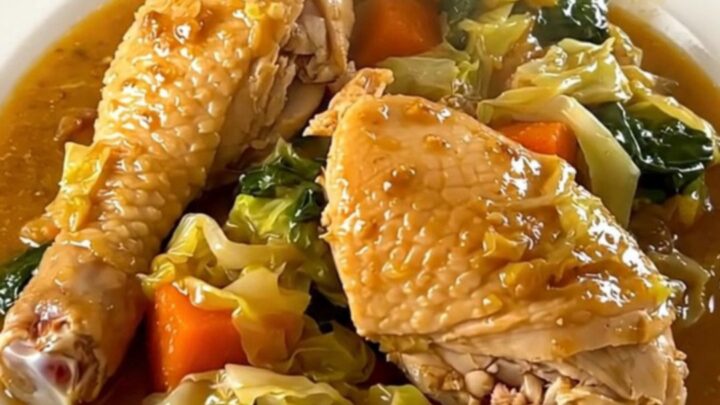
Slow Cooker Chicken and Cabbage Stew for Easy Weeknight Dinners Tips, FAQ & printable recipe
- Prep
- Cook
- Total
- Serves
- 4
Tips for success
To enhance the flavor, you can sear the chicken thighs in a pan before adding them to the slow cooker, although this is optional. This extra step adds a caramelized depth to the stew.
If you choose to do this, ensure the pan is hot and that you clean all surfaces that came into contact with raw poultry immediately after use.
If the stew appears too thin at the end of the cooking time, you can remove a small amount of the liquid and whisk in a little cornstarch before returning it to the pot to thicken.
Alternatively, simply let the stew simmer on the high setting with the lid off for a few minutes to reduce the liquid naturally.
Variations
- Root Vegetable Variation: Add sliced carrots or parsnips alongside the potatoes for extra sweetness and earthy flavor. These vegetables hold up well to the long cooking time and pair perfectly with the tender chicken and cabbage.
- Herbed Chicken Stew: Incorporate dried herbs such as thyme, rosemary, or bay leaves when adding the bouillon. These aromatic herbs infuse the broth with a classic, savory profile that elevates the overall dish significantly.
Storage and make-ahead
- Fridge
- Keep refrigerated in an airtight container for up to 3 days.
- Freezer
- Freeze in a freezer-safe container for up to 2 months. Thaw in the refrigerator overnight before reheating.
- Reheat
- Reheat in a saucepan over medium-low heat until steaming hot, or in the microwave, stirring occasionally to ensure even heating throughout the stew.
Store any leftovers in an airtight container once they have cooled to room temperature, which should take no more than two hours.
Placing hot food directly into the refrigerator can raise the internal temperature of the appliance, so allow for adequate cooling time before moving the container to the fridge for storage.
This dish is an excellent candidate for making ahead, as the flavors often improve after sitting in the refrigerator for a day.
Simply prepare the stew as directed, allow it to cool, and store it in the refrigerator. Reheat gently on the stovetop or in the microwave until it is heated through completely before serving.
Serving ideas
Serve the stew in deep, wide bowls to capture all the flavorful broth along with the chicken and vegetables. A side of crusty bread or a simple crusty roll is an excellent accompaniment for soaking up the juices left at the bottom of the bowl.
Consider topping each portion with a sprinkle of fresh herbs like parsley or chives for a pop of color and freshness. The simplicity of the dish allows it to be served as a complete, comforting meal on its own, making it a reliable choice for busy weeknight dinners.
Frequently asked questions
Can this stew be cooked on high if time is short?
What is the best way to handle the raw chicken?
How can the leftovers be reheated safely?
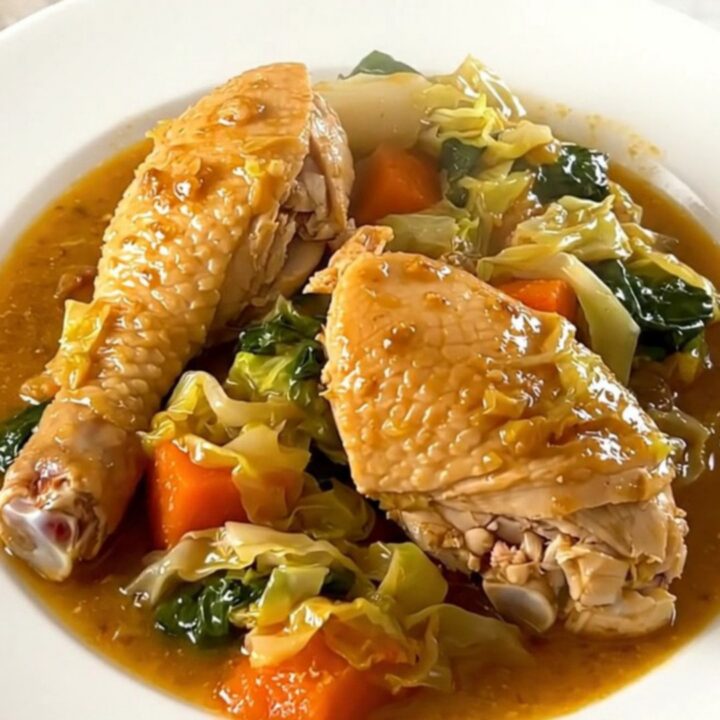
Slow Cooker Chicken and Cabbage Stew for Easy Weeknight Dinners
Ingredients
- 4 pieces chicken thighs, bone-in, skin-on
- 1/2 head white cabbage, sliced
- 2 medium potatoes, peeled and cut into chunks
- 1 cube poultry bouillon, crumbled
- 1 1/2 cups water
Instructions
- Place the raw chicken thighs in the bottom of the slow cooker. Scatter the sliced white cabbage and potato pieces on top of the chicken to ensure even cooking.
- Crumble the poultry bouillon cube evenly over the top of the vegetables. Carefully pour the water over the mixture to provide the necessary moisture for the stew.
- Cover and cook on low for 5 to 6 hours or on high for 3 to 4 hours. Ensure the chicken reaches an internal temperature of 165°F (74°C). Let the chicken rest for 5 minutes before serving.
Estimated nutrition per serving
- Calories
- 420
- Protein
- 32 g
- Carbohydrates
- 28 g
- Fat
- 20 g
- Fiber
- 4.5 g
- Sugar
- 3 g
- Sodium
- 750 mg
Next recipe
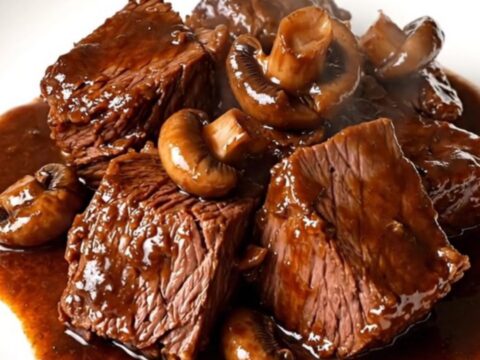
Slow Cooker Braised Beef with Mushrooms and Wine
See the recipe → →This recipe is based on a short cooking video and is published under the pen name Clara Weller. It was checked before publication, but errors can slip through. Nutrition, when shown, is an estimate. Read more in our editorial policy and on our food safety page.
More recipes to try

Slow Cooker Turkey Coconut Curry with Squash
Total time: 4 h 15 min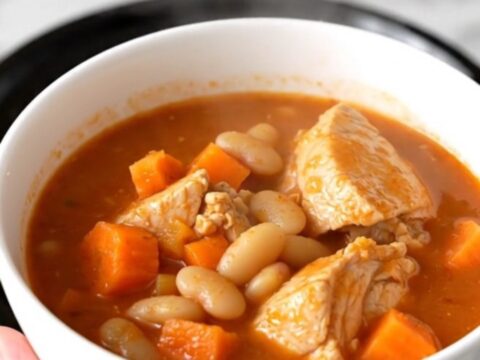
Easy Slow Cooker Chicken and White Bean Stew
Total time: 6 h 15 min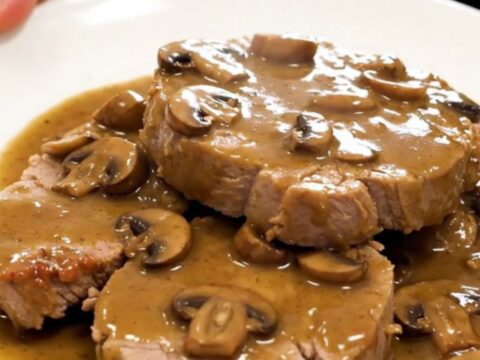
Slow Cooker Creamy Pork Roast with Mushrooms
Total time: 6 h 20 min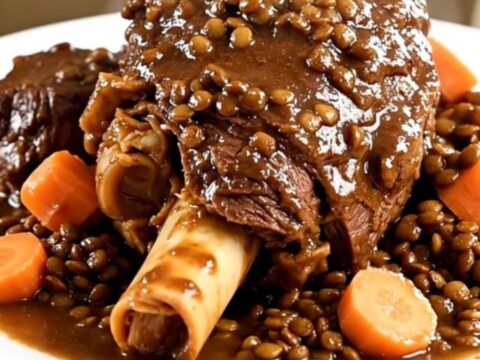
Slow Cooker Beef Shank with Tender Lentils and Carrots
Total time: 8 h 15 min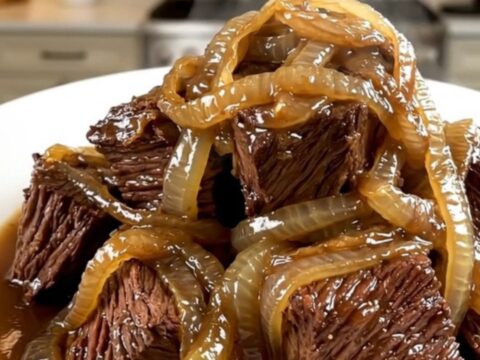
Slow-Cooker Braised Beef Neck for Tender Results
Total time: 8 h 15 min