Dinner · Part 3 of 3: Tips & recipe card
Slow Cooker Cheesy Enchilada Meatballs Tips, FAQ & printable recipe

- Prep
- Cook
- Total
- Serves
- 4
Tips for success
To add a bit of freshness, garnish the finished meatballs with chopped cilantro or diced scallions just before serving.
These fresh elements provide a bright contrast to the rich, savory sauce and melted cheese, elevating the presentation and adding a layer of flavor complexity that complements the Mexican-inspired profile of the dish.
For a balanced serving, pair these meatballs with a side of steamed rice or warm flour tortillas to soak up the excess enchilada sauce. The sauce is the highlight of the dish, and having a starch base ensures that none of the flavorful liquid goes to waste during the meal.
Variations
- Spicy Kick: Add a tablespoon of diced jalapeños or a teaspoon of chili powder to the sauce before cooking for an extra layer of heat that complements the green chiles.
- Tex-Mex Style: Mix in a half-cup of canned black beans or corn kernels during the final 30 minutes of cooking for added texture and a heartier, more rustic feel.
Storage and make-ahead
- Fridge
- Keep leftovers in an airtight container in the refrigerator for up to 3 days.
- Freezer
- Freeze in a freezer-safe container for up to 1 month. Thaw in the refrigerator overnight before reheating.
- Reheat
- Reheat in a saucepan on the stovetop over medium heat until the internal temperature reaches 160°F (71°C). Add a splash of water if the sauce has thickened.
Store any leftover meatballs in an airtight container in the refrigerator for up to three days. Ensure they are cooled to room temperature within two hours of cooking before placing them in the fridge to maintain quality and safety. Reheat thoroughly before consuming.
This dish is excellent for making ahead as the flavors continue to meld in the refrigerator. Simply prepare the meatballs as directed, cool completely, and refrigerate.
When ready to eat, reheat in a saucepan over medium heat or in the microwave until steaming hot throughout.
Serving ideas
Serve the meatballs while they are piping hot, straight from the slow cooker for the best experience.
The melted cheese is at its peak texture immediately after the final step, so plating them right away ensures that every serving is gooey and satisfying for everyone at the table.
Consider serving these alongside a crisp green salad or roasted vegetables to round out the meal.
The acidity and crunch of fresh vegetables provide a perfect counterpoint to the richness of the cheesy enchilada sauce, creating a well-rounded dining experience that is both comforting and delicious.
Frequently asked questions
Can this be made ahead of time?
What is the best cheese to use?
How can the sauce be thickened?
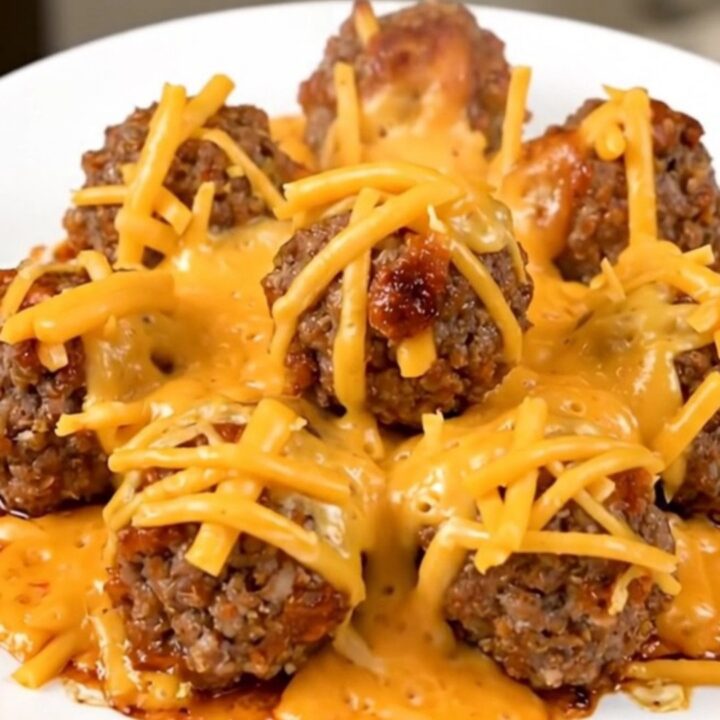
Slow Cooker Cheesy Enchilada Meatballs
Ingredients
- 1 lb frozen beef meatballs
- 1/2 cup diced green chiles
- 1 packet taco seasoning
- 1 cup red enchilada sauce
- 1 cup shredded cheddar cheese
Instructions
- Place the frozen beef meatballs into the bottom of the slow cooker. Scatter the diced green chiles evenly over the meatballs, then sprinkle the taco seasoning packet over the top to ensure even distribution of the spices.
- Pour the red enchilada sauce over the seasoned meatballs. Cover the slow cooker with its lid and cook on low heat for 3 hours until the meatballs are thoroughly heated through and reach an internal temperature of 160°F (71°C). Let the meat rest for at least 3 minutes before proceeding.
- Open the lid and sprinkle the shredded cheddar cheese over the hot meatballs. Replace the lid for 5 minutes or until the cheese is completely melted and bubbling, then serve immediately on a plate.
Estimated nutrition per serving
- Calories
- 450
- Protein
- 22 g
- Carbohydrates
- 18 g
- Fat
- 32 g
- Fiber
- 2 g
- Sugar
- 4 g
- Sodium
- 950 mg
Next recipe
Slow Cooker Mushroom Bacon Steak Bites
See the recipe → →This recipe is based on a short cooking video and is published under the pen name Clara Weller. It was checked before publication, but errors can slip through. Nutrition, when shown, is an estimate. Read more in our editorial policy and on our food safety page.
More recipes to try
Easy Slow Cooker Cheesy Black Bean Chicken
Total time: 4 h 10 min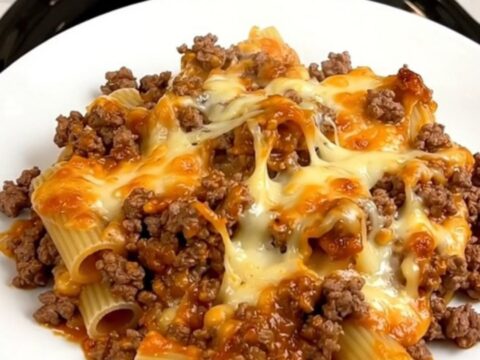
One-Pot Cheesy Beef Rigatoni Casserole for Easy Dinners
Total time: 4 h 15 min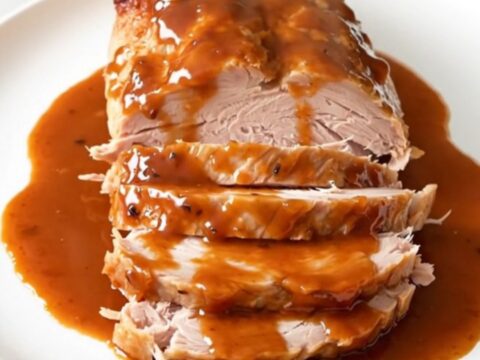
Easy Crockpot Sweet Chili Turkey Breast for Busy Weeknights
Total time: 4 h 10 min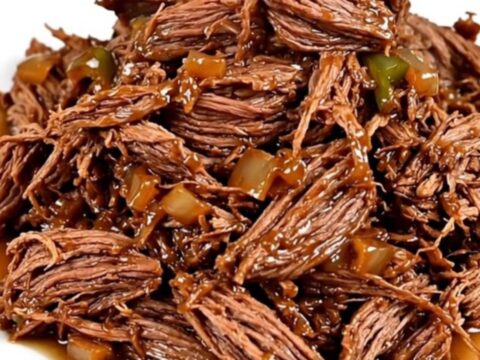
Slow Cooker Poblano Shredded Beef for Easy Weeknight Dinners
Total time: 8 h 15 min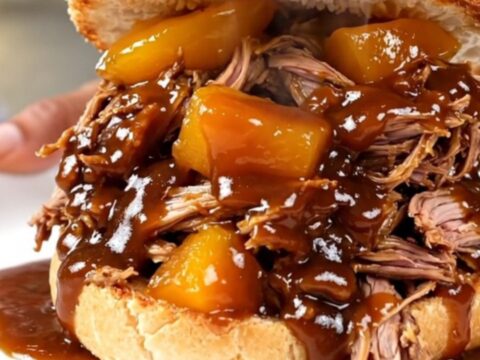
Crockpot Peach Bourbon Pulled Pork for Easy Weeknight Dinners
Total time: 8 h 20 min