Dinner · Part 3 of 3: Tips & recipe card
Slow-Cooker Caramelized Balsamic Honey Cipollini Onions Tips, FAQ & printable recipe
- Prep
- Cook
- Total
- Serves
- 6
Tips for success
For a more complex flavor, add a small pinch of red pepper flakes during the final hour of cooking to introduce a subtle heat that balances the sweetness of the honey. This contrast works exceptionally well if you plan to serve the onions alongside a savory roast like prime rib or a roasted pork loin, as it cuts through the richness of the meat and provides a bright, unexpected finish to each bite.
If you prefer a deeper caramelization, you can transfer the cooked onions to a baking sheet and broil them for two to three minutes after the slow cooking is finished. Watch them closely, as the honey content makes them susceptible to burning quickly.
This step creates a slightly charred edge that adds another layer of texture, making the onions look even more professional and appetizing when presented on your serving platter.
Variations
- Garlic Infused: Add four cloves of smashed garlic during the layering phase for a savory, aromatic depth that complements the balsamic vinegar beautifully.
- Bacon Balsamic: Incorporate four strips of chopped, cooked bacon before serving to add a smoky, salty crunch that pairs wonderfully with the sweet onions.
Storage and make-ahead
- Fridge
- Store in an airtight container in the refrigerator for up to 3 days.
- Freezer
- Freezing is not recommended, as the texture of the onions will become mushy upon thawing.
- Reheat
- Reheat gently in a small saucepan over low heat until warmed through, adding a teaspoon of water if the glaze has become too thick.
Allow any leftovers to cool to room temperature before transferring them to an airtight container. They can be stored in the refrigerator for up to three days. When storing, ensure the onions remain covered in the balsamic syrup to prevent them from drying out. Avoid storing them in metal containers, as the acidity of the balsamic vinegar can react with certain metals, potentially affecting the flavor of the onions over time.
These onions are an excellent make-ahead dish because the flavors continue to meld and intensify after sitting in the refrigerator. You can prepare them a day in advance and reheat them gently on the stovetop or in the slow cooker before serving.
This convenience makes them a perfect addition to a busy holiday menu, allowing you to focus on more labor-intensive dishes on the actual day of your event without compromising on quality.
Serving ideas
Serve these onions warm as a sophisticated side dish for holiday roasts, such as beef tenderloin, roasted turkey, or a glazed ham. Their sweet and tangy profile makes them a versatile accompaniment that pairs well with both earthy root vegetables and rich, savory proteins.
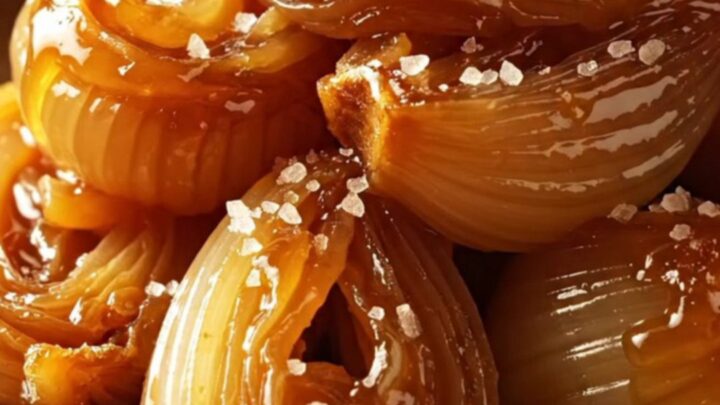
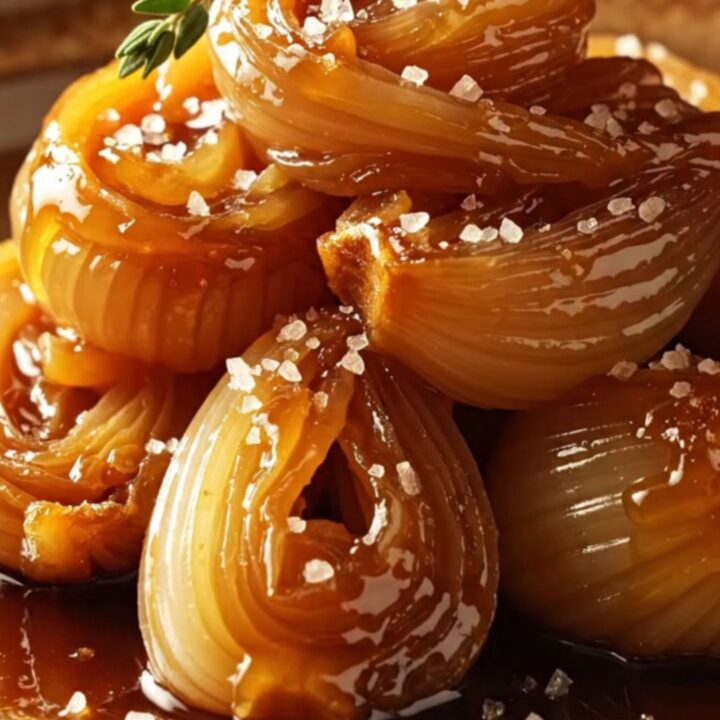
Arrange them on a platter and garnish with fresh thyme sprigs and an extra dusting of flaky sea salt to provide a beautiful, restaurant-quality presentation that highlights their glossy, mahogany finish.
Alternatively, consider serving them alongside a creamy polenta or a savory goat cheese tart. The contrast between the jammy, acidic onions and the creamy, mild base of the polenta or the tangy, rich goat cheese creates a balanced and satisfying flavor experience.
They are also delicious when served as part of a charcuterie board, paired with sharp aged cheeses, rustic crackers, and cured meats, where their sweetness complements the salty elements of the platter perfectly.
Frequently asked questions
Can these onions be prepared in a Dutch oven instead of a slow cooker?
Why is it important to use aged balsamic vinegar?
Can other types of onions be used if cipollini are unavailable?
Slow-Cooker Caramelized Balsamic Honey Cipollini Onions
Ingredients
- 2 lb peeled whole cipollini onions
- 4 tbsp butter
- 1/3 cup aged balsamic vinegar
- 2 tbsp honey
- fresh thyme, for serving
- flaky sea salt, for serving
Instructions
- Place the peeled cipollini onions into the ceramic slow cooker. Add the butter, aged balsamic vinegar, honey, and several sprigs of fresh thyme directly over the onions. Ensure the ingredients are evenly distributed to allow for consistent cooking throughout the entire process.
- Cover the slow cooker with the lid. Set the device to the low heat setting and allow the onions to cook undisturbed for five hours. During this period, the onions will gradually soften, absorb the balsamic and honey mixture, and transform into a tender, jammy consistency.
- Once the onions are tender and glazed, remove the lid. Transfer the warm, mahogany-colored onions to a serving platter. Garnish the dish with additional fresh thyme sprigs and a generous sprinkle of flaky sea salt to enhance the complex flavors of the balsamic reduction.
Estimated nutrition per serving
- Calories
- 145
- Protein
- 1.5 g
- Carbohydrates
- 22 g
- Fat
- 6.5 g
- Fiber
- 1.5 g
- Sugar
- 18 g
- Sodium
- 120 mg
Next recipe
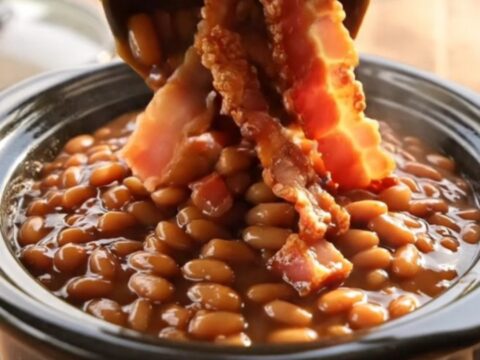
Slow-Cooker Maple Bacon Baked Beans for Smoky BBQ Sides
See the recipe → →This recipe is based on a short cooking video and is published under the pen name Clara Weller. It was checked before publication, but errors can slip through. Nutrition, when shown, is an estimate. Read more in our editorial policy and on our food safety page.
More recipes to try
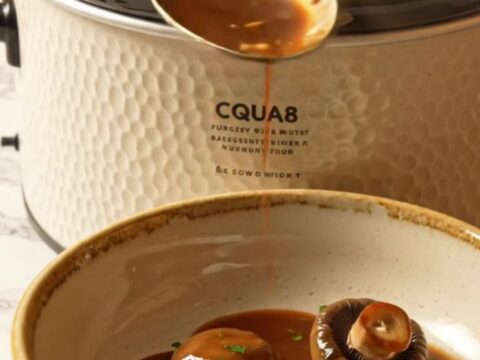
Steakhouse Garlic Butter Burgundy Mushrooms
Total time: 4 h 10 min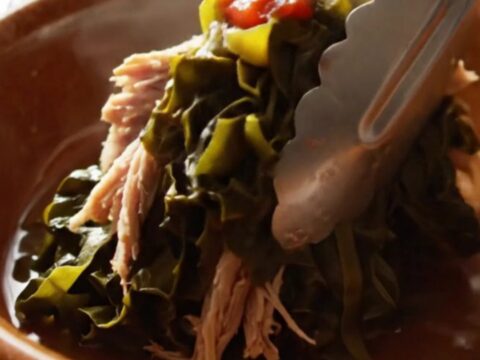
Slow-Simmered Southern Collard Greens with Smoked Turkey
Total time: 6 h 15 min
Maple Dijon Glazed Carrots and Parsnips for Autumn Harvest
Total time: 3 h 10 min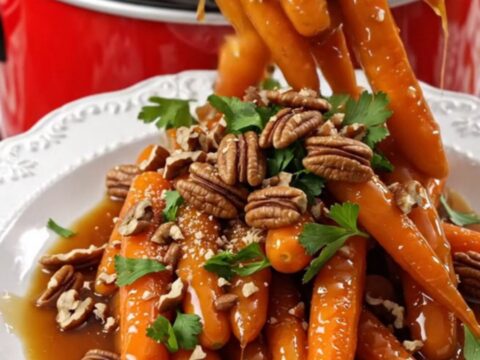
Brown Sugar Bourbon Crockpot Carrots
Total time: 3 h 5 min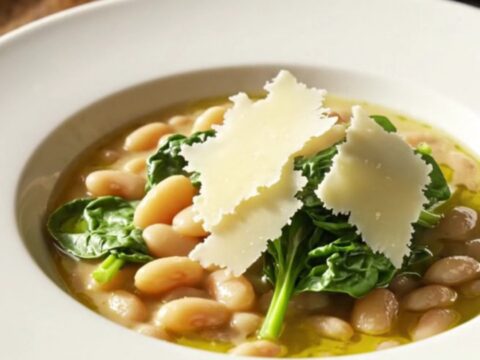
Creamy Tuscan Garlic Parmesan White Beans
Total time: 3 h 10 min