Dinner · Part 1 of 3: Ingredients
Honey Garlic Butter Rainbow Carrots
- Prep
- Cook
- Total
- Serves
- 6
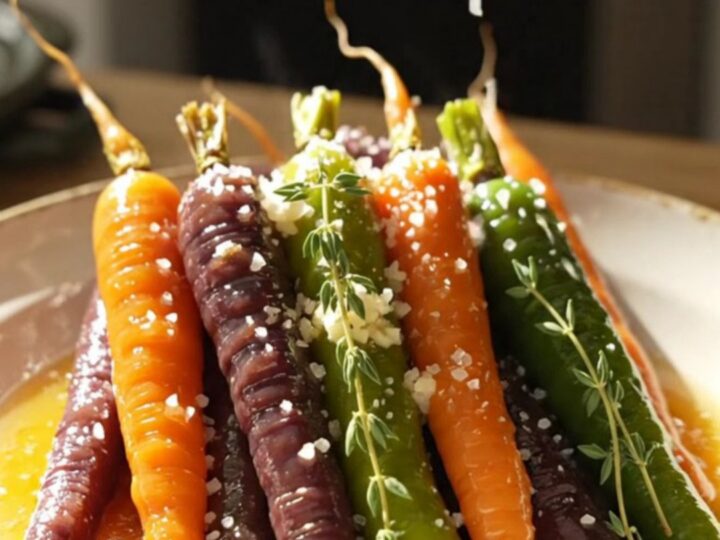
These honey garlic butter rainbow carrots are the side dish that makes any holiday table look like a magazine spread. In a slow cooker, whole carrots bathe in a sweet-savory mixture of butter, honey, garlic, and fresh thyme until they turn impossibly tender and glossy. The hands-off method means you can set it and forget it while the rest of the meal comes together.
Rainbow carrots—purple, yellow, and orange—bring a jewel-toned pop of color to any spread. Slow-cooking them in a mixture of butter, honey, garlic, and fresh thyme transforms them into a tender, caramelized side that tastes far more indulgent than the simple ingredient list suggests.
The low, gentle heat of a slow cooker allows the carrots to cook evenly without turning mushy, while the butter and honey reduce into a luscious glaze that clings to every piece. This recipe is endlessly adaptable: use any color of carrot you like, adjust the garlic to your taste, and finish with a shower of flaky salt for contrast. It's a foolproof, make-ahead-friendly dish that will earn a permanent spot on your holiday menu.
Ingredients
- 2 lb rainbow carrots, trimmed and peeled
- 6 tbsp unsalted butter, cut into pieces
- 1/4 cup honey
- 4 cloves garlic, minced
- 1 tbsp fresh thyme leaves, plus more for serving
- Flaky sea salt, for serving
Why this recipe works
Slow cooking on LOW for four hours is the key to perfectly tender carrots without constant attention. The gentle, steady heat breaks down the carrots' fibrous structure slowly, allowing them to become soft and sweet while still holding their shape.
Unlike boiling or roasting, the slow cooker traps steam and creates a moist environment, so the carrots cook in their own juices along with the butter and honey, resulting in a concentrated, glossy glaze that would be hard to achieve on the stovetop without constant stirring.
The combination of honey and butter is a classic pairing that enhances the natural sweetness of the carrots. Honey adds a floral, fruity note that deepens as it heats, while butter provides richness and helps carry the flavors of garlic and thyme.
The garlic mellows significantly during the long cook, losing its sharp bite and becoming sweet and nutty. The fresh thyme, added at the beginning, infuses the entire dish with an earthy, herbal aroma that balances the sweetness. The final touch of flaky sea salt and fresh thyme leaves brightens everything and adds a pleasant textural crunch.
Notes and substitutions
Rainbow carrots are available in many supermarkets, especially in the fall and winter. Look for bunches with firm, smooth roots and bright, unwilted greens. If you can't find rainbow carrots, standard orange carrots work just as well—choose medium-sized ones for even cooking. Baby carrots are also fine, but reduce the cooking time to about 3 hours since they are smaller and cook faster. Trim the tops and peel the carrots if the skin is thick or blemished; otherwise, a good scrub is enough.
A 6-quart slow cooker is ideal for this recipe, as it holds 2 pounds of carrots without overcrowding. If your slow cooker is smaller, you may need to cut the carrots into shorter lengths to fit. Unsalted butter is recommended so you can control the salt level, especially since the finish includes flaky sea salt.
For a dairy-free version, substitute a high-quality vegan butter or olive oil—though the flavor will change slightly. Fresh thyme is preferred, but if you only have dried, use about 1 teaspoon and add it with the other ingredients.
- rainbow carrots: standard orange carrots or a mix of baby carrots (halve if very thick)
- unsalted butter: salted butter (reduce added salt, if any, and adjust seasoning at the end)
- honey: maple syrup or agave nectar for a slightly different sweetness
- fresh thyme: 1 teaspoon dried thyme, added with the other ingredients
Equipment
- 6-quart slow cooker
- cutting board
- chef's knife
- measuring spoons
- liquid measuring cup
- tongs
- serving platter
Up next · Part 2 of 3
4 steps · 4 h of cooking · what to look for at each stage
Step-by-step instructions (Part 2)