Dinner · Part 2 of 3: Instructions
Slow Cooker Butternut Squash and Sage Tortellini Step-by-step instructions
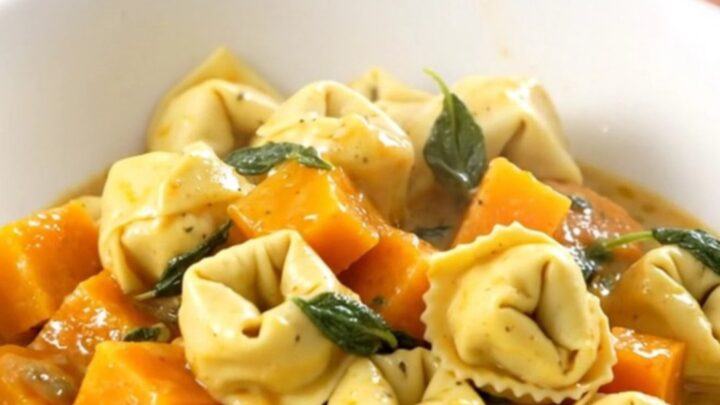
- Prep
- Cook
- Total
- Serves
- 4
Before you start
Before you begin, ensure your slow cooker is clean and placed on a stable, heat-resistant surface near an electrical outlet. Prepare your ingredients by peeling and cubing the butternut squash into uniform, bite-sized pieces if you have not purchased them pre-cut.
Measure out the vegetable broth and have your dried sage ready to go. Having all ingredients measured and prepped in advance makes the assembly process seamless, allowing you to get the slow cooker running in just a few minutes before you move on to your day.
Ingredients at a glance (4)
- 1 lb cheese tortellini
- 2 cups cubed butternut squash
- 1 tsp dried sage
- 2 cups vegetable broth
Instructions
Initial Assembly
- Layering the ingredientsPlace the raw cheese tortellini directly into the bottom of the slow cooker insert. Distribute the cubed butternut squash evenly over the top of the pasta layer to ensure even cooking throughout the process.Look for The base layer of pasta is covered by the squash cubes.Tip Keep the squash cubes uniform in size to ensure they soften at the same rate as the pasta.
At the end of the assembly phase, you should see a clear, structured layering of ingredients in your slow cooker.
The tortellini should be at the bottom, topped with a layer of squash, and seasoned with the dried sage. The broth should be poured over the top, ready to begin the slow cooking process once the lid is secured.
Active Cooking
- Seasoning and adding liquidSprinkle the dried sage over the butternut squash. Pour the vegetable broth carefully over the contents of the slow cooker, ensuring that the liquid reaches the bottom to prevent the pasta from sticking during the initial heating phase.Look for The broth should just barely cover the pasta and squash mixture.Tip Use a low-sodium broth if you prefer to control the final salt levels of the dish.
During the cooking phase, the slow cooker will begin to emit a pleasant, earthy aroma of sage and simmering vegetables. You should not need to check on the dish frequently; simply ensure the lid remains closed to trap the heat and moisture necessary for the pasta and squash to reach the desired level of tenderness.
Final Integration
- Cooking and finishingCover the slow cooker with the lid. Cook on low heat for approximately 3 hours or until the butternut squash is tender and the pasta is cooked through. Gently stir the mixture before serving to incorporate the sauce created by the broth and the starch from the pasta.Look for The squash is fork-tender and the sauce appears slightly thickened and glossy.Tip If the sauce is too thin, leave the lid off for the final 15 minutes of cooking to allow it to reduce.
By the end of the final phase, the liquid in the slow cooker will have reduced slightly and taken on a silky, sauce-like consistency. The squash should be vibrant and soft, and the pasta should be cooked through. A gentle stir before serving will help distribute the flavor and ensure a consistent texture in every bite.
Common mistakes
A common mistake is cutting the butternut squash into pieces that are too large, which results in the outside of the squash turning to mush before the center is cooked through. Always aim for one-inch cubes for the best results.
Another error is over-crowding the slow cooker, which can prevent even heat distribution. Ensure you use a slow cooker that is appropriately sized for the quantity of ingredients. Finally, avoid stirring the dish too frequently during the cooking process, as this can break apart the delicate tortellini pasta.
How to tell it’s done
The dish is considered done when the butternut squash cubes are easily pierced with a fork and tender all the way through. The cheese tortellini should be fully cooked, soft, and slightly swollen, having absorbed some of the vegetable broth.
The sauce should appear slightly thickened and glossy rather than watery. Because this recipe does not contain raw proteins, you do not need to worry about specific internal temperatures; simply focus on the texture of the pasta and the tenderness of the squash.
Up next · Part 3 of 3
2 variations · storage & make-ahead · 3 answers · printable card
Tips, FAQ & printable recipe (Part 3)← Back to the ingredients (Part 1)