Dinner · Part 1 of 3: Ingredients
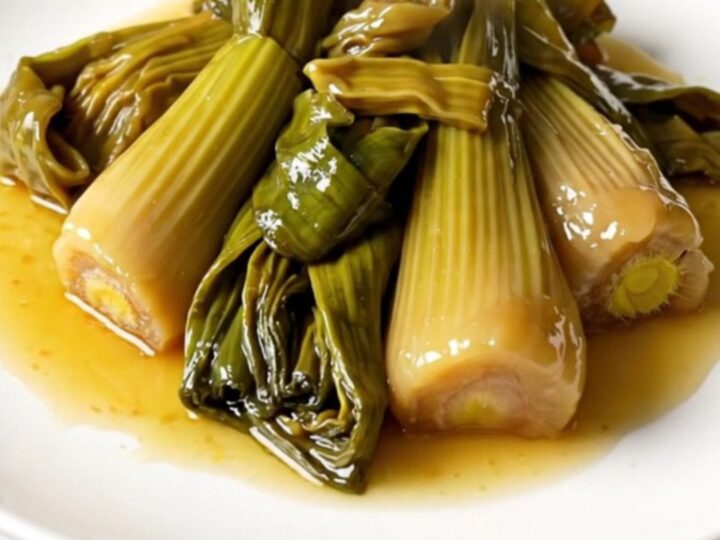
Slow Cooker Braised Leeks with White Wine and Mustard
- Prep
- Cook
- Total
- Serves
- 4
Discover a sophisticated side dish that practically cooks itself. These slow cooker braised leeks combine the natural sweetness of leeks with the sharp tang of mustard and the depth of white wine, resulting in a buttery, tender vegetable preparation that pairs beautifully with roasted meats, fish, or even a simple piece of crusty bread for a vegetarian lunch.
Braised leeks are a classic French preparation that highlights the delicate, onion-like flavor of this vegetable. By utilizing a slow cooker, the leeks gently soften in a flavorful bath of white wine and mustard, allowing the ingredients to meld without the need for constant monitoring on the stovetop.
This method is ideal for busy cooks who want to elevate their dinner with minimal effort. Whether serving as a refined accompaniment to a holiday roast or a quick weeknight vegetable, this recipe provides a foolproof way to achieve perfectly cooked, silky leeks every single time you prepare them.
Ingredients
- 4 large leeks, halved lengthwise and cleaned
- 2 tbsp shallots, minced
- 3 tbsp unsalted butter, cubed
- 1/2 cup white wine and mustard broth
Why this recipe works
The slow cooker environment creates a moist, gentle heat that is ideal for braising fibrous vegetables like leeks. Unlike high-heat methods that can cause leeks to brown too quickly or become stringy, the slow and steady approach ensures the fibers break down gradually, resulting in a melt-in-the-mouth texture that is prized in professional kitchens.
The enclosed space also prevents the braising liquid from evaporating too quickly, allowing the flavors of the shallots, mustard, and wine to concentrate and fully penetrate the leeks as they cook.
Additionally, the vertical orientation of the leeks in the slow cooker helps them retain their shape while becoming exceptionally tender. Because the leeks are packed tightly, they braise in their own juices alongside the added broth, creating a concentrated glaze that coats the vegetables perfectly.
This method minimizes the risk of burning or overcooking, as the gentle temperature gradient of a slow cooker is much more forgiving than a hot pan, making it a reliable technique for consistent, high-quality results.
Notes and substitutions
When selecting leeks for this recipe, look for firm, bright white stalks with tight, vibrant green tops. Avoid leeks with yellowing or dried-out edges, as these indicate age. It is important to thoroughly wash the leeks after halving them lengthwise, as soil frequently collects between the layers. If you prefer a milder flavor, you can trim more of the dark green tops, though they do provide excellent structure and flavor during the long braising process.
The choice of white wine is flexible, but a dry variety like Sauvignon Blanc or Pinot Grigio works best to balance the richness of the butter and the sharpness of the mustard.
If you prefer not to use alcohol, you can substitute it with a high-quality vegetable stock mixed with a teaspoon of white wine vinegar to maintain the necessary acidity. Ensure the butter is high-quality, as it acts as the primary fat for the emulsion that creates the final glossy sauce.
- white wine: vegetable broth mixed with a splash of white wine vinegar
- shallots: yellow onion, finely minced
Equipment
- slow cooker
- chef knife
- cutting board
- measuring cups
- glass measuring cup
Up next · Part 2 of 3
3 steps · 4 h of cooking · what to look for at each stage
Step-by-step instructions (Part 2)