Dinner · Part 3 of 3: Tips & recipe card
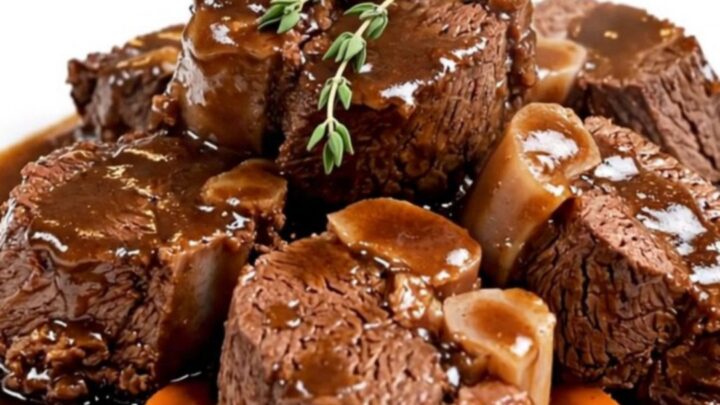
Slow Cooker Bordeaux Beef Cheeks with Carrots Tips, FAQ & printable recipe
- Prep
- Cook
- Total
- Serves
- 4
Tips for success
To achieve an even deeper flavor profile, you can sear the beef cheeks in a hot skillet with a small amount of oil before adding them to the slow cooker.
This caramelization adds a layer of complexity to the final sauce that is hard to replicate otherwise. However, this is optional and the recipe will still be delicious if you skip this step for a faster preparation time.
If you find the sauce is too thin after the cooking time is complete, you can remove the beef and carrots with a slotted spoon and increase the heat of the liquid.
A quick simmer on the stovetop for a few minutes will reduce the wine and concentrate the flavors. Always taste the sauce before serving and adjust with a pinch of kosher salt if needed to balance the acidity of the wine.
Variations
- Balsamic Beef Cheeks: Replace half of the Bordeaux wine with high-quality balsamic vinegar for a sweeter, tangier sauce profile. This variation pairs beautifully with roasted parsnips.
- Herbed Beef Cheeks: Add a tablespoon of fresh rosemary and a bay leaf to the pot during the cooking process to introduce more aromatic, piney notes to the sauce.
Storage and make-ahead
- Fridge
- Store in an airtight container for up to 3 days. Ensure the food cools to room temperature within 2 hours before placing it in the refrigerator.
- Freezer
- Store in a freezer-safe container for up to 2 months. Thaw in the refrigerator overnight before reheating.
- Reheat
- Reheat gently on the stovetop over low heat until the internal temperature reaches 165°F (74°C). Add a splash of water if the sauce is too thick.
Store any leftovers in an airtight container in the refrigerator for up to three days. Ensure the beef is completely submerged in the sauce to keep it moist.
When reheating, do so gently over low heat on the stovetop to avoid toughening the delicate meat fibers. If the sauce has thickened too much in the fridge, add a tablespoon of water or beef stock to thin it out.
This dish is a perfect candidate for making ahead, as the flavors often improve after sitting for 24 hours. Prepare the recipe as directed, allow it to cool completely for no more than two hours, and then refrigerate.
When ready to serve, reheat slowly. The flavors will meld together beautifully, making this an ideal choice for stress-free entertaining or a quick weeknight meal that tastes like it took all day.
Serving ideas
Serve these beef cheeks over a bed of creamy mashed potatoes or buttery polenta to soak up the rich Bordeaux sauce. A side of roasted root vegetables or steamed green beans provides a nice textural contrast to the soft meat. The presentation should highlight the glossy sauce, so ensure you spoon plenty of it over the beef before bringing it to the table.
For a classic pairing, serve with a glass of the same red wine used in the cooking process. The acidity of the wine cuts through the richness of the meat, creating a balanced and satisfying dining experience. A crusty baguette is also a must-have for cleaning the plate and enjoying every last drop of the savory wine reduction.
Frequently asked questions
Can this be made in a Dutch oven instead of a slow cooker?
Why is the sauce watery?
Can other cuts of meat be used?
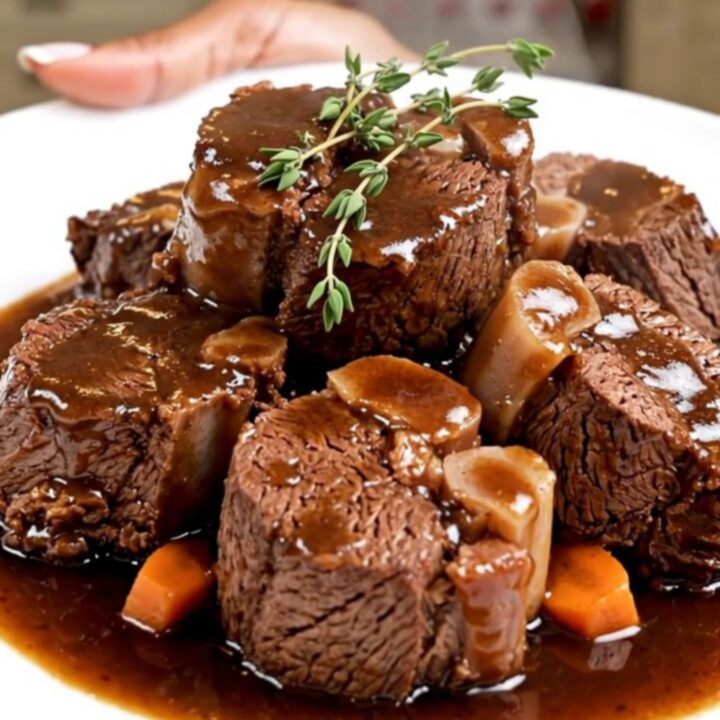
Slow Cooker Bordeaux Beef Cheeks with Carrots
Ingredients
- 2 lbs beef cheeks, trimmed of excess fat
- 3 medium carrots, sliced into rounds
- 1 tbsp all-purpose flour
- 1 1/2 cups Bordeaux red wine
- 2 sprigs fresh thyme
Instructions
- Place the raw beef cheeks into the bottom of the slow cooker insert. Scatter the sliced carrots evenly over the beef. Sprinkle the flour over the ingredients to help thicken the sauce during the cooking process.
- Pour the Bordeaux red wine over the beef and carrots. Add the fresh thyme sprigs. Cover the slow cooker and set to low heat for 8 hours. The slow, moist heat is essential to break down the connective tissue in the cheeks.
- Check that the beef cheeks have reached an internal temperature of 145°F (63°C). Once fully cooked, let the meat rest for at least 5 minutes before serving to ensure the juices redistribute throughout the fibers for maximum tenderness.
Estimated nutrition per serving
- Calories
- 450
- Protein
- 35 g
- Carbohydrates
- 12 g
- Fat
- 26 g
- Fiber
- 2 g
- Sugar
- 5 g
- Sodium
- 320 mg
Next recipe
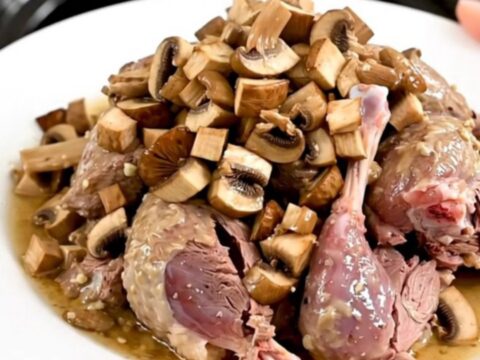
Slow Cooker Creamy Porcini Guinea Fowl
See the recipe → →This recipe is based on a short cooking video and is published under the pen name Clara Weller. It was checked before publication, but errors can slip through. Nutrition, when shown, is an estimate. Read more in our editorial policy and on our food safety page.
More recipes to try
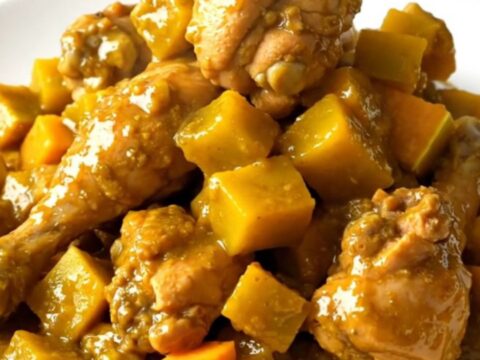
Slow Cooker Mild Curry Butternut Chicken
Total time: 4 h 15 min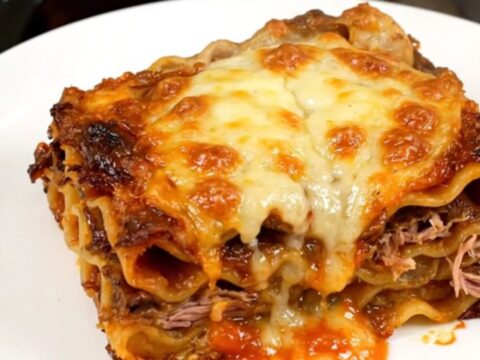
Slow Cooker Duck Confit and Mushroom Lasagna
Total time: 4 h 25 min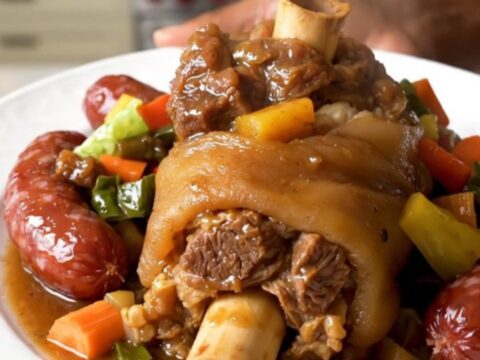
Slow Cooker Potée Champenoise with Pork Shank
Total time: 8 h 20 min
Slow Cooker Dauphiné Raviole and Mushroom Gratin
Total time: 3 h 10 min
Creamy Wild Mushroom Velouté Slow Cooker Soup
Total time: 4 h 10 min