Dinner · Part 3 of 3: Tips & recipe card
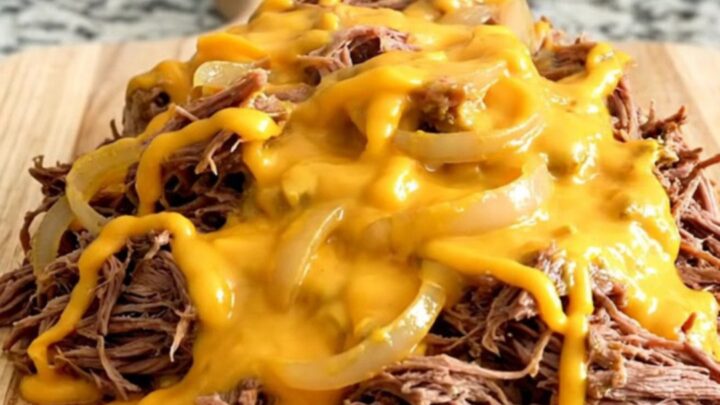
Slow Cooker Beef and Cheddar Sliders for Easy Dinners Tips, FAQ & printable recipe
- Prep
- Cook
- Total
- Serves
- 8
Tips for success
To add a bit of acidity and brightness to the rich cheese sauce, consider stirring in a teaspoon of Worcestershire sauce or a splash of apple cider vinegar right before serving.
This small addition helps cut through the heaviness of the cheddar and enhances the savory notes of the beef.
If you prefer a bit of heat, you can add diced jalapeños or a dash of hot sauce to the slow cooker along with the other ingredients. This provides a subtle kick that complements the creaminess of the cheddar soup without overpowering the natural beef flavor of the dish.
Variations
- Spicy Beef Sliders: Stir in two tablespoons of diced pickled jalapeños and a teaspoon of chili powder into the slow cooker before starting. This adds a vibrant heat that cuts through the rich, cheesy sauce perfectly.
- Caramelized Onion Twist: Sauté the yellow onions in a separate pan with a tablespoon of butter until deeply golden brown before adding them to the slow cooker. This extra step adds a deeper, sweeter flavor profile to the final dish.
Storage and make-ahead
- Fridge
- Store in an airtight container for up to 3 days.
- Freezer
- Freeze in a freezer-safe container for up to 2 months.
- Reheat
- Reheat gently in a saucepan over low heat or in the microwave until warmed through, adding a splash of broth if necessary.
Store any leftovers in an airtight container to keep the meat from drying out.
The sauce will thicken significantly once cooled, so you may need to add a tablespoon of water or broth when reheating to bring it back to a creamy consistency. Ensure the leftovers are refrigerated within two hours of cooking.
This recipe is an excellent candidate for making ahead, as the flavors often improve after sitting in the refrigerator overnight.
You can prepare the entire batch, let it cool completely, and store it for up to three days before reheating. It is perfect for meal prepping for the week.
Serving ideas
Serve these sliders on toasted brioche or potato slider buns to add a slightly sweet and soft contrast to the savory beef. Toasting the buns lightly with a touch of butter prevents them from becoming soggy from the rich cheddar sauce, ensuring a pleasant texture with every bite.
For a complete meal, pair the sliders with crunchy coleslaw or quick-pickled vegetables. The acidity of the vegetables provides a refreshing palate cleanser that balances the richness of the beef and cheese.
Keep the slider buns separate until you are ready to serve to maintain their structural integrity.
Frequently asked questions
Can this recipe be made with ground beef instead of chuck roast?
Why is the sauce separating after reheating?
Is it possible to use a different type of cheese soup?
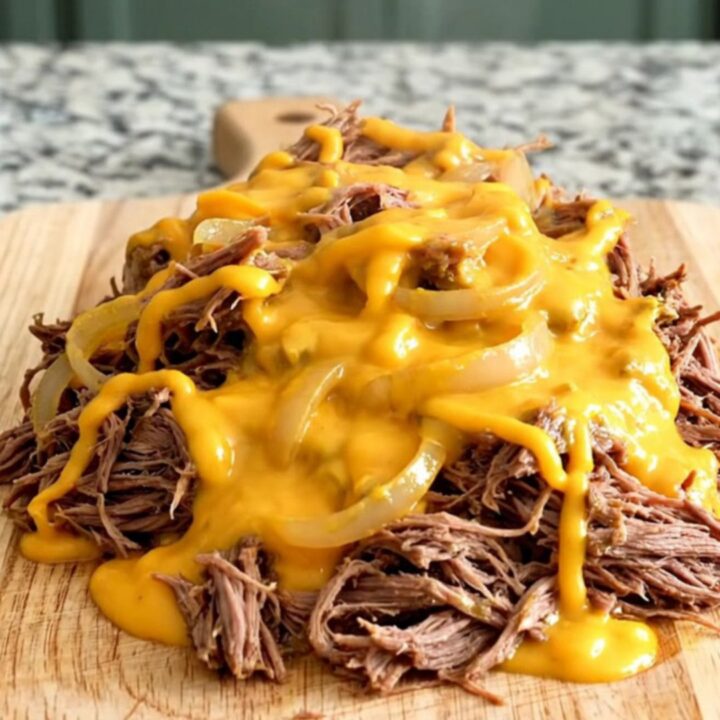
Slow Cooker Beef and Cheddar Sliders for Easy Dinners
Ingredients
- 2 lb chuck roast, cut into large chunks
- 1 large yellow onion, thinly sliced
- 1 cup beef broth
- 1 can (10.5 oz) condensed cheddar cheese soup
Instructions
- Place the chuck roast chunks into the base of the slow cooker. Scatter the sliced yellow onions over the meat. Pour the beef broth evenly over the mixture, then top with the condensed cheddar soup.
- Cover the slow cooker and cook on low for 8 hours. The beef is ready when it reaches an internal temperature of at least 145°F (63°C). Once cooked, let the meat rest for at least 3 minutes before shredding.
- Remove the beef from the slow cooker and shred it into tender strands using two forks. Return the shredded meat to the slow cooker and toss it thoroughly with the creamy onion and cheddar sauce. Serve immediately on your favorite slider buns.
Estimated nutrition per serving
- Calories
- 450
- Protein
- 32 g
- Carbohydrates
- 12 g
- Fat
- 28 g
- Fiber
- 1 g
- Sugar
- 3 g
- Sodium
- 850 mg
Next recipe

Easy French Dip Slider Bake with Savory Au Jus Butter
See the recipe → →This recipe is based on a short cooking video and is published under the pen name Clara Weller. It was checked before publication, but errors can slip through. Nutrition, when shown, is an estimate. Read more in our editorial policy and on our food safety page.
More recipes to try
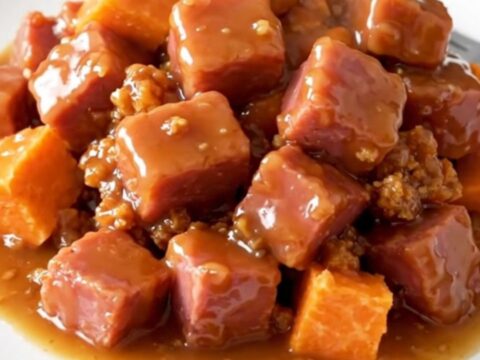
Slow Cooker Ham and Sweet Potatoes with Cinnamon Sugar
Total time: 4 h 15 min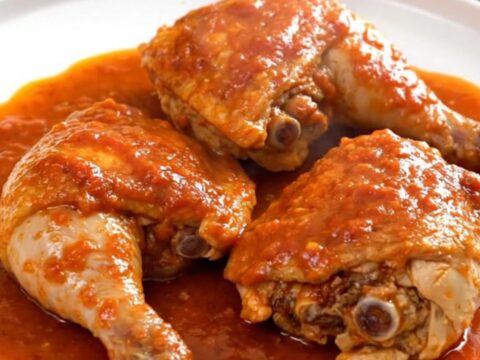
Slow Cooker Cuban-Style Braised Chicken Fricase
Total time: 4 h 15 min
Easy Crockpot French Dip Meatballs for Busy Weeknights
Total time: 4 h 5 min
Creamy Crockpot Chicken Parmesan Soup
Total time: 4 h 10 min
One-Pot Slow Cooker Italian Sausage and Cabbage
Total time: 4 h 15 min