Dinner · Part 1 of 3: Ingredients
Slow-Cooker Balsamic Fig and Rosemary Pulled Pork Roast
- Prep
- Cook
- Total
- Serves
- 8
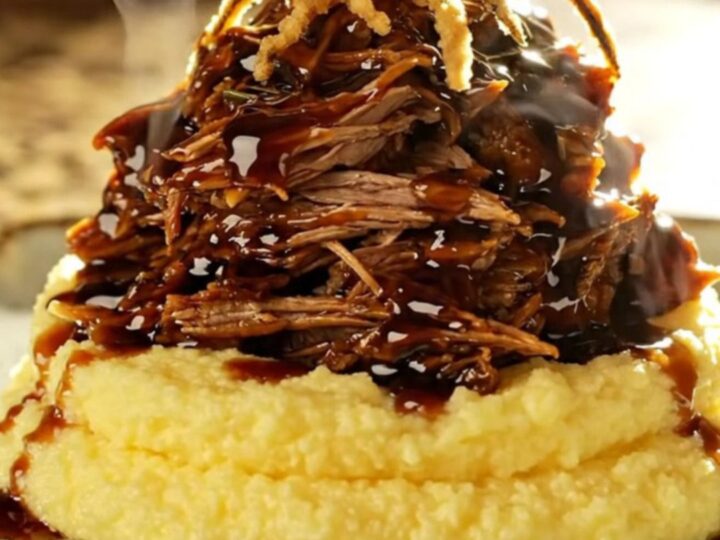
Elevate your Sunday dinner with this balsamic fig and rosemary pulled pork roast. This slow-cooked masterpiece combines the deep, complex sweetness of aged balsamic vinegar and mission figs with the earthy aroma of fresh rosemary.
The result is a fork-tender, succulent dish that looks and tastes like a restaurant-prepared meal. Perfect for busy households that want high-impact flavors with minimal hands-on effort, this recipe transforms basic ingredients into a sophisticated, crowd-pleasing dinner that defines comfort food perfection.
The magic of this dish lies in the slow, steady transformation of the pork shoulder. By layering the aromatics and sugars at the start, the slow cooker creates a self-basting environment where the figs dissolve into a thick, glossy glaze that coats every strand of meat.
This recipe requires only a few minutes of active preparation time, making it an ideal choice for planning ahead. Whether serving for a casual weekend gathering or a quiet family evening, the combination of savory pork and sweet balsamic glaze provides a balanced and memorable dining experience that works beautifully with creamy polenta.
Ingredients
Base
- 1 red onion, sliced
- 4 lb pork shoulder
- 1 cup Mission figs, halved
- 3 sprigs fresh rosemary
Glaze
- 1/2 cup aged balsamic vinegar
- 1/3 cup honey
- 1/2 cup broth
Why this recipe works
The slow-cooker method is essential for tougher cuts like pork shoulder. By cooking on low heat over an extended period, the connective tissues in the meat break down into gelatin. This process ensures that the pork remains succulent and tender rather than drying out, which is a common risk with faster cooking methods. The constant, gentle heat also allows the balsamic and honey to caramelize and thicken, creating a rich sauce that clings to the meat.
Layering the ingredients correctly is the secret to flavor development. Placing the onions at the bottom creates a natural trivet that elevates the pork, preventing it from scorching while infusing the meat with onion aromatics from beneath.
Simultaneously, scattering the figs and rosemary around the sides allows them to infuse the liquid as it heats. As the figs break down, they provide a natural thickening agent for the glaze, resulting in a complex, syrupy finish that balances the acidity of the balsamic.
Notes and substitutions
Selecting the right pork shoulder is vital for the best texture. Look for a piece with good marbling, as the intramuscular fat is what keeps the shredded pork moist after the long cooking time. If you find a bone-in shoulder, it will work perfectly well, though you may need to remove the bone during the shredding phase. The size of the roast can vary slightly, but 4 pounds is the standard amount to ensure proper distribution of the glaze ingredients.
Regarding equipment, a standard 6-quart slow cooker is ideal for this recipe. The size allows for adequate air circulation around the meat, ensuring even cooking. When it comes to ingredients, the quality of the balsamic vinegar makes a noticeable difference.
Use an aged balsamic vinegar if possible, as it has a thicker consistency and a more complex flavor profile than standard balsamic vinegar. If you only have standard vinegar, you may reduce it slightly longer during the final phase to achieve the desired syrupy thickness.
- Mission figs: Dried Calimyrna figs or pitted prunes can be used if fresh Mission figs are unavailable.
- Pork shoulder: Pork butt is the best alternative as it shares the same fat content and texture profile.
Equipment
- Slow cooker
- Chef knife
- Cutting board
- Measuring cups
- Two forks
Up next · Part 2 of 3
3 steps · 8 h of cooking · what to look for at each stage
Step-by-step instructions (Part 2)