Dinner · Part 3 of 3: Tips & recipe card
Slow Cooker Aveyron Sausage with Red Wine and Onions Tips, FAQ & printable recipe

- Prep
- Cook
- Total
- Serves
- 4
Tips for success
If you find the gravy is thinner than you prefer after the cooking time, you can remove the sausages and turn the slow cooker to the high setting for 15-20 minutes, or transfer the liquid to a saucepan on the stove to reduce it further until it reaches your desired consistency.
To add another layer of flavor, consider including a clove of garlic or a bay leaf alongside the thyme. These aromatics complement the red wine and onions beautifully without overpowering the delicate flavor of the sausages.
Remember to remove any whole herbs like bay leaves before serving to ensure a pleasant eating experience.
Variations
- Mushroom and Wine Variation: Add 2 cups of sliced cremini mushrooms during the layering phase for an earthy depth that pairs exceptionally well with the red wine and onion base.
- Mustard Infused Variation: Stir one tablespoon of whole-grain Dijon mustard into the sauce after cooking for a tangy kick that cuts through the richness of the pork sausages.
Storage and make-ahead
- Fridge
- Store in an airtight container for up to 3 days in the refrigerator.
- Freezer
- Freeze in a sealed container for up to 2 months. Thaw in the refrigerator overnight before reheating.
- Reheat
- Reheat gently in a saucepan over medium-low heat until heated through, adding a splash of water or broth if the gravy has become too thick.
Store any leftovers in an airtight container. Cool the food for no more than two hours at room temperature before placing it in the refrigerator to ensure food safety.
The flavors often develop further overnight, making this a great dish to enjoy the following day when the gravy has had time to thicken slightly more.
This dish is excellent for making ahead of time. You can prepare the entire recipe and store it in the refrigerator for up to three days.
When ready to serve, reheat it gently on the stovetop or in the oven. The flavors will be just as vibrant, and the convenience of having a pre-prepared meal makes it perfect for busy schedules.
Serving ideas
Serve this dish alongside creamy mashed potatoes or crusty French bread, which are perfect for soaking up the rich red wine and onion gravy. A side of steamed green beans or a simple crisp green salad with a light vinaigrette provides a refreshing contrast to the richness of the sausages and sauce.
Present the dish in a wide, shallow bowl to showcase the glossy gravy and the beautiful color of the sausages.
A light dusting of fresh parsley can add a pop of color and freshness, though it is entirely optional. Ensure each serving includes a generous portion of the onion gravy to maximize the flavor profile.
Frequently asked questions
Can this be made ahead of time?
What type of red wine works best?
Is it possible to use a different type of sausage?
Slow Cooker Aveyron Sausage with Red Wine and Onions

Ingredients
- 8 fresh sausages
- 2 large yellow onions, sliced
- 1 tbsp all-purpose flour
- 1 tsp dried thyme
- 1 cup dry red wine
Instructions
- Place the fresh sausages in the bottom of the slow cooker, ensuring they are arranged in an even layer. Scatter the sliced yellow onions over the top of the sausages to create a flavor base.
- Sprinkle the flour and dried thyme evenly over the onions and sausages. Pour the red wine over the entire mixture. Cover the slow cooker and cook on low for 4 hours until the sausages reach an internal temperature of 160°F (71°C).
- Once the cooking time is complete, remove the sausages and spoon the thickened onion gravy over them. Let the meat rest for at least 5 minutes before serving to ensure the flavors settle and the temperature stabilizes.
Estimated nutrition per serving
- Calories
- 450
- Protein
- 22 g
- Carbohydrates
- 12 g
- Fat
- 32 g
- Fiber
- 2 g
- Sugar
- 5 g
- Sodium
- 850 mg
Next recipe
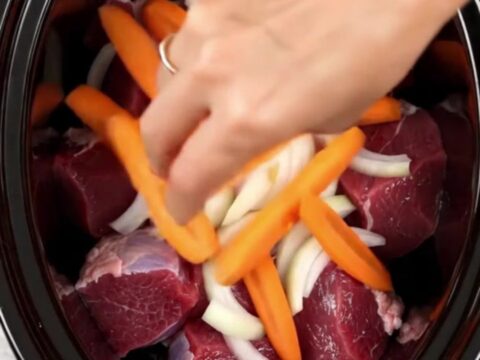
Slow Cooker Braised Veal with Carrots and Cumin
See the recipe → →This recipe is based on a short cooking video and is published under the pen name Clara Weller. It was checked before publication, but errors can slip through. Nutrition, when shown, is an estimate. Read more in our editorial policy and on our food safety page.
More recipes to try

Slow Cooker Pork with Figs and Red Onions
Total time: 6 h 15 min
Slow Cooker Spiced Chicken with Golden Raisins
Total time: 4 h 10 min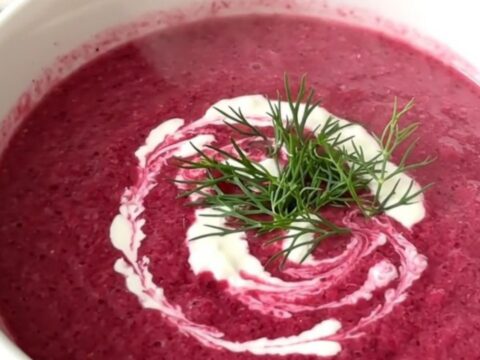
Slow Cooker Beet and Potato Dill Velouté
Total time: 4 h 15 min
Slow Cooker Rutabaga and Potato Stew
Total time: 4 h 10 min
Slow Cooker Fish Yassa with Onions and Lime
Total time: 3 h 15 min