Desserts · Part 1 of 3: Ingredients
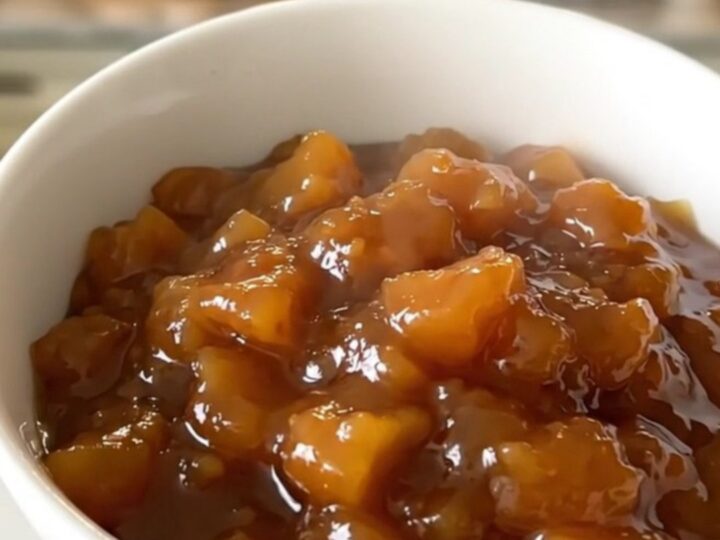
Slow Cooker Apple, Quince, and Pear Compote
- Prep
- Cook
- Total
- Serves
- 4
Discover the art of slow cooking with this elegant fruit compote. By combining the floral notes of quince with the classic sweetness of apples and pears, this dish creates a sophisticated dessert that requires minimal preparation time. Perfect for a cozy evening, it fills the house with a wonderful aroma while the slow cooker does all the heavy lifting for a perfectly tender result every single time.
This compote relies on the gentle, consistent heat of a slow cooker to transform firm autumn fruits into a luxurious, spoonable dessert. Unlike rapid stove-top cooking, the low and slow method allows the quince to break down into a tender, jam-like consistency while the apples and pears retain their shape, creating a beautiful textural contrast.
The addition of brown sugar adds a deep, molasses-like sweetness that complements the tartness of the quince perfectly. Whether served warm on its own or used as a topping for yogurt or oatmeal, this recipe is a versatile addition to any home cook's collection of fruit-based desserts.
Ingredients
Fruit
- 2 quince, thinly sliced
- 2 apples, chopped
- 2 pears, chopped
Seasoning
- 1/4 cup brown sugar
Liquid
- 1/2 cup water
Why this recipe works
The slow cooker method is ideal for quince, which is notoriously tough and requires long, slow cooking to become tender. By keeping the temperature steady and low, the fruit fibers break down without turning into mush, resulting in a perfectly consistent texture throughout. This method also allows the natural juices of the apples and pears to mingle with the sugar, creating a natural syrup that coats the fruit beautifully without needing any thickeners or additives.
Furthermore, the enclosed environment of the slow cooker traps steam, which keeps the fruit moist and prevents the edges from drying out or burning. This creates an even, gentle cooking atmosphere that ensures the flavors are concentrated and fully developed.
The process is completely hands-off, allowing for a stress-free preparation that results in a high-quality dessert with minimal effort, making it suitable for both casual everyday meals and more formal gatherings where a simple, elegant finish is required.
Notes and substitutions
When selecting fruit, choose quince that is firm and fragrant, as it will provide the best structure for the compote. Apples and pears should be ripe but still firm enough to hold their shape during the four-hour cooking time.
If quince is unavailable, you can substitute with additional firm, tart apples or pears, though the flavor profile will be slightly less complex. Adjust the amount of sugar depending on the natural sweetness of the fruit used, keeping in mind that quince generally requires a bit more sugar to balance its tartness.
The choice of slow cooker can affect the cooking time; if using a smaller or less powerful unit, you may need to add an extra hour. Ensure the lid remains closed during the entire cooking process to maintain the internal temperature and moisture levels.
If you prefer a thinner syrup, you can increase the water slightly, though the fruit will naturally release enough liquid to create a balanced consistency. Store any leftovers in an airtight container to maintain the quality of the fruit.
- quince: firm apples or pears
- brown sugar: maple syrup or honey
Equipment
- slow cooker
- knife
- cutting board
- measuring cup
- spoon
- serving bowl
Up next · Part 2 of 3
3 steps · 4 h of cooking · what to look for at each stage
Step-by-step instructions (Part 2)