Dinner · Part 3 of 3: Tips & recipe card
Slow Cooker Apple Pie Pork Chops Tips, FAQ & printable recipe
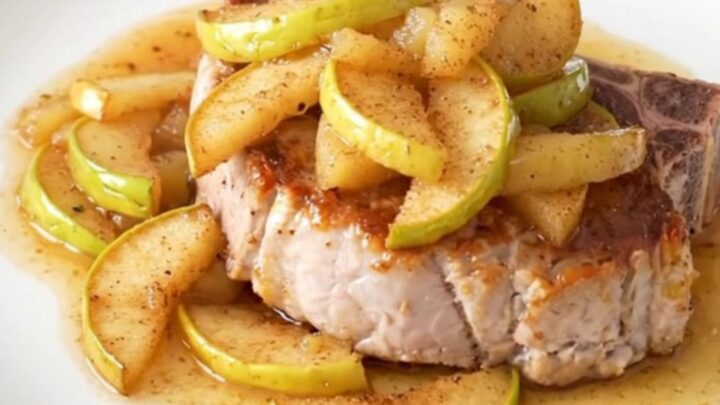
- Prep
- Cook
- Total
- Serves
- 4
Tips for success
For a more intense flavor, consider browning the pork chops in a skillet with a small amount of oil before adding them to the slow cooker.
This extra step adds a deeper, savory note to the final dish, though it is not strictly necessary for achieving a tender result. If you choose to brown them, do so quickly over medium-high heat until a golden crust forms on both sides.
If you prefer a thicker sauce, you can remove the pork once cooked and whisk a small amount of cornstarch mixed with cold water into the remaining liquid in the slow cooker.
Set the cooker to the high setting for 10-15 minutes until the sauce reduces and thickens to your desired consistency. This simple adjustment creates a rich, gravy-like sauce that clings beautifully to the meat.
Variations
- Savory Herb Twist: Add a teaspoon of dried sage or thyme to the apple mixture before cooking. The herbal notes provide a sophisticated contrast to the sweetness of the apple pie filling.
- Spicy Apple Pork: Stir in a pinch of crushed red pepper flakes or a dash of hot sauce to the apple pie filling. The subtle heat balances the sugar, creating a complex, well-rounded flavor profile.
Storage and make-ahead
- Fridge
- Keep in an airtight container for up to 3 days.
- Freezer
- Freeze for up to 2 months in a freezer-safe container.
- Reheat
- Reheat gently in the microwave or on the stovetop over low heat until warmed through.
Store any leftovers in an airtight container in the refrigerator for up to 3 days. Ensure the pork is cooled to room temperature, but do not leave it out on the counter for more than 2 hours to maintain food safety. The sauce can be stored along with the meat to keep it moist during the reheating process.
This dish is excellent when prepared in advance, as the flavors continue to meld while sitting in the refrigerator. You can assemble the ingredients in the slow cooker insert, cover it, and keep it in the refrigerator overnight before starting the cooking cycle the next day.
Note that if the insert is cold from the refrigerator, you may need to add an extra 30 minutes to the total cooking time.
Serving ideas
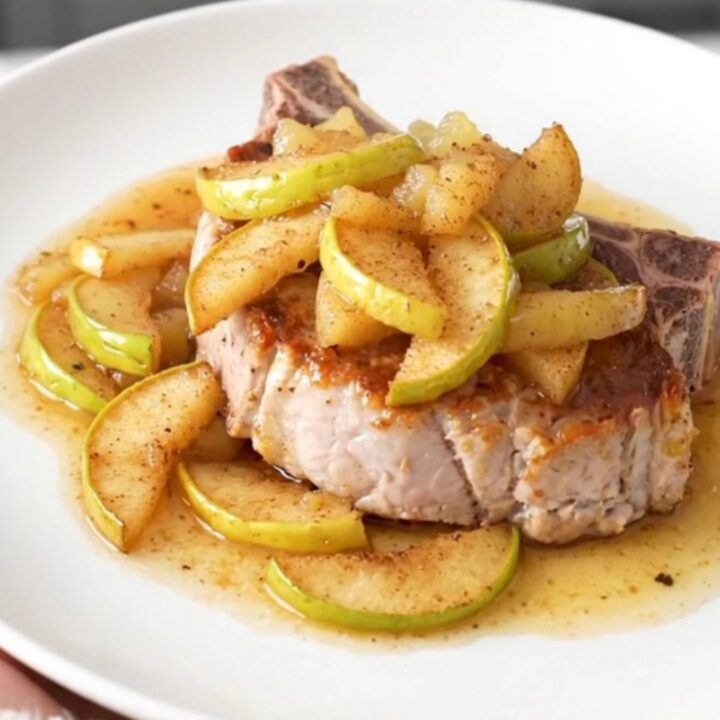
Serve the pork chops warm, spooning a generous amount of the spiced apple sauce over the top. This dish pairs exceptionally well with simple, mild sides that allow the sweetness of the apples to shine, such as creamy mashed potatoes, steamed green beans, or a crisp garden salad with a light vinaigrette.
For a more substantial meal, consider serving the chops over a bed of roasted sweet potatoes or wild rice. The earthiness of these sides provides a wonderful balance to the sweetness of the apple pie filling.
A light sprinkling of fresh parsley or toasted pecans can add a nice color and texture contrast to the final plate.
Frequently asked questions
Can this be made with boneless pork chops?
Is it necessary to add extra liquid?
How can the sauce be made thicker?
Slow Cooker Apple Pie Pork Chops
Ingredients
- 4 bone-in pork chops
- 21 oz apple pie filling
- 2 tbsp butter
- 1 tsp ground cinnamon
Instructions
- Place the bone-in pork chops into the bottom of the slow cooker insert. Ensure they are arranged in an even layer, overlapping them slightly if necessary to fit the space.
- In a medium bowl, combine the apple pie filling, butter, and cinnamon. Pour the mixture evenly over the pork chops in the slow cooker, ensuring each chop is well-coated.
- Cover the slow cooker and cook on low for 4 to 6 hours. Before serving, verify the internal temperature of the pork reaches 145°F (63°C) and let the meat rest for at least 5 minutes before transferring to plates.
Estimated nutrition per serving
- Calories
- 380
- Protein
- 28 g
- Carbohydrates
- 35 g
- Fat
- 14 g
- Fiber
- 2 g
- Sugar
- 28 g
- Sodium
- 450 mg
Next recipe
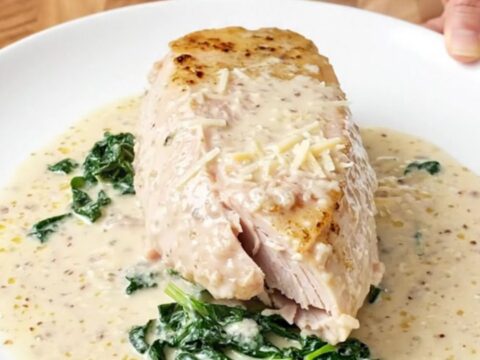
Creamy Slow Cooker Turkey Florentine
See the recipe → →This recipe is based on a short cooking video and is published under the pen name Clara Weller. It was checked before publication, but errors can slip through. Nutrition, when shown, is an estimate. Read more in our editorial policy and on our food safety page.
More recipes to try

Easy One-Pan Mexican Ground Turkey Tortilla Lasagna
Total time: 45 min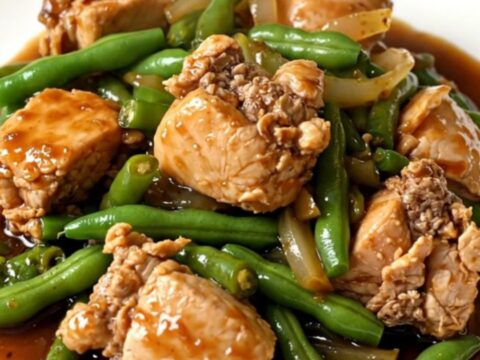
Slow Cooker Ginger Soy Chicken and Green Beans
Total time: 4 h 10 min
Crockpot Patty Melt Soup for an Easy Weeknight Dinner
Total time: 4 h 10 min
Easy Slow Cooker Chicken Pot Pie Meatballs
Total time: 3 h 5 min
Easy Crockpot BBQ Pulled Turkey Sliders
Total time: 4 h 10 min