Dinner · Part 1 of 3: Ingredients
Slow-Cooked Pork Swiss Steak for an Easy Comfort Dinner
- Prep
- Cook
- Total
- Serves
- 4
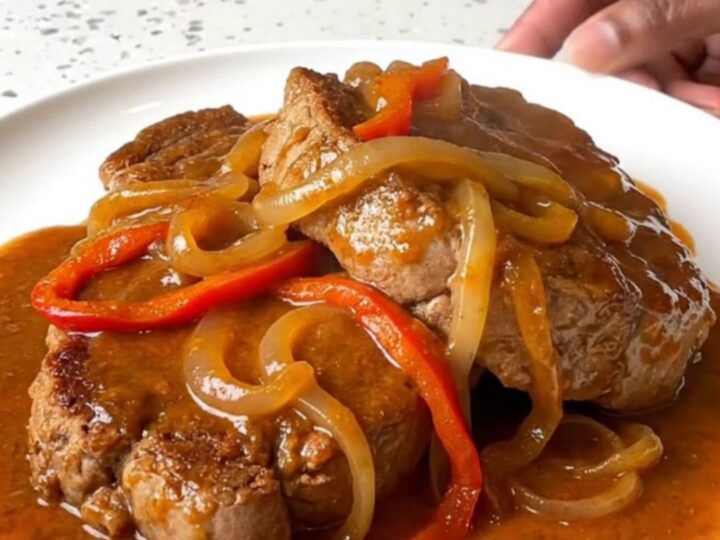
Transform humble pork shoulder steaks into a sophisticated, melt-in-your-mouth meal with this effortless slow cooker recipe. This dish relies on the long, gentle heat of the slow cooker to break down connective tissues in the pork, resulting in a tender texture that pairs perfectly with a robust, house-made tomato gravy.
It is the perfect solution for busy weeknights when you want a hearty, home-cooked meal waiting for you the moment you walk through the door.
Pork Swiss steak is a classic comfort dish that thrives on the slow-cooking method. By combining bone-in pork shoulder with fresh aromatics like bell peppers and onions, then braising them in a savory tomato base, you create a depth of flavor that is difficult to achieve with faster cooking techniques.
This recipe is straightforward and forgiving, making it an excellent choice for both novice and experienced home cooks who value consistency and ease of preparation in their daily meal planning.
Ingredients
Main Ingredients
- 4 lbs bone-in pork shoulder steaks
- 2 large green bell peppers, sliced into strips
- 1 large yellow onion, sliced into strips
Seasoning
- 1 tbsp paprika
Main Ingredients
- 28 oz canned diced tomatoes
Why this recipe works
The slow-cooking method is essential for tougher cuts like pork shoulder. By maintaining a low, consistent temperature over several hours, the collagen within the meat slowly breaks down into gelatin. This process transforms a potentially chewy steak into a succulent, tender bite that practically falls off the bone. The sealed environment of the slow cooker also prevents moisture loss, ensuring the meat stays juicy while the vegetables soften into the sauce.
The combination of acidic tomatoes and sweet peppers creates a balanced flavor profile that defines the classic Swiss steak style. As the tomatoes break down, they release their natural juices, which mingle with the rendered pork fat to create a thick, savory gravy.
This natural reduction process concentrates the flavors without the need for thickeners or additives, resulting in a clean, hearty, and satisfying sauce that perfectly coats the tender pork and crisp-tender vegetables.
Notes and substitutions
Selecting the right pork is key to the success of this recipe. Bone-in pork shoulder steaks are preferred because the bone adds significant flavor to the braising liquid and helps distribute heat evenly through the meat during the long cooking cycle.
If bone-in cuts are unavailable, boneless shoulder steaks can be used, although they may lose a small amount of richness in the final sauce. Always look for steaks with a good amount of marbling to ensure the best texture.
When choosing equipment, a standard 6-quart oval slow cooker is ideal for this recipe. Its shape accommodates the size of the pork steaks well, allowing them to lie flat without being overly crowded. If you only have a smaller model, you may need to reduce the quantity of ingredients to prevent overflow. Ensure the lid fits tightly to trap moisture and heat, which is vital for the braising process. Avoid lifting the lid during the first few hours of cooking.
- green bell peppers: red or yellow bell peppers for a sweeter flavor profile
- pork shoulder steaks: pork chops, though cooking time will be significantly reduced
Equipment
- Slow cooker
- Cutting board
- Chef knife
- Measuring spoons
Up next · Part 2 of 3
4 steps · 8 h of cooking · what to look for at each stage
Step-by-step instructions (Part 2)