Dinner · Part 2 of 3: Instructions
Sichuan Mala Chili-Oil Crockpot Beef Shank Step-by-step instructions
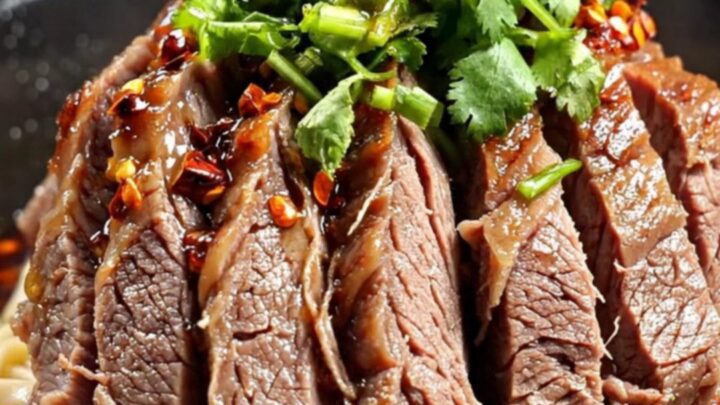
- Prep
- Cook
- Total
- Serves
- 6
Before you start
Before beginning, ensure your slow cooker is clean and positioned on a stable, heat-resistant surface. Prepare your ingredients by measuring the spices and the fermented bean paste accurately. If using whole dried chilies, wipe them clean with a damp cloth.
Have your beef shank ready to go; it can be taken out of the refrigerator about 20 minutes before cooking to lose the chill, but keep it in a cool area. Have your serving bowls and garnishes prepped so that as soon as the beef is rested and sliced, you can assemble the final dish immediately.
Ingredients at a glance (8)
- 3.5 lb boneless beef shank
- 2 tbsp Sichuan peppercorns
- 12 dried Facing Heaven red chilies
- 60 g fermented broad-bean Pixian doubanjiang
- 2 star anise
- 4 cups beef stock
- chili crisp oil, for serving
- fresh cilantro, for serving
Instructions
Layering the ingredients
- Layering the ingredientsPlace the boneless beef shank directly into the ceramic slow cooker basin. Add the Sichuan peppercorns, dried Facing Heaven red chilies, fermented broad-bean Pixian doubanjiang, and star anise. Pour the beef stock over the beef until it is mostly submerged.Look for Ensure the beef is evenly positioned at the bottom of the cooker.Tip Distribute the spices around the meat to encourage even infusion during the long cooking process.
At this stage, the slow cooker should be neatly filled with the beef sitting at the bottom and the spices distributed evenly. The liquid should cover the majority of the meat. The aroma of the raw spices will be present, and the overall setup should look orderly and ready for the long, slow heat to begin the infusion process.
Slow-cooking the beef
- Slow-cooking the beefCover the slow cooker with the glass lid and set to the LOW temperature setting. Allow the beef to cook for 8 hours undisturbed until it reaches an internal temperature of 145°F (63°C). Once cooked, let the meat rest for at least 3 minutes before slicing to ensure the juices redistribute.Look for The broth should be bubbling gently throughout the cooking duration.Safe temperature 145°F (63°C) internal temperature (steaks, chops and roasts)Tip Avoid lifting the lid during the first 6 hours to maintain steady internal temperature and pressure.
The kitchen should be filled with a deep, spicy, and aromatic scent. The broth will have transformed into a vibrant, deep crimson color.
Looking through the glass lid, the beef should appear significantly shrunk and tender, with the gelatinous ribbons within the shank becoming clear and soft. The broth should be bubbling at a very slow, consistent pace.
Slicing and serving
- Slicing and servingCarefully remove the tender beef shank from the cooker. Slice the meat into thin pieces. Serve over a bowl of hot hand-pulled noodles, ladling the reduced crimson broth, additional chili crisp oil, and fresh cilantro over the top.Look for The beef should be tender enough to slice cleanly without shredding apart completely.Tip Using a very sharp knife makes slicing the gelatinous beef shank much easier and results in a cleaner presentation.
The final dish should be visually striking, with the sliced beef showcasing the beautiful contrast between the dark meat and the translucent tendon. The broth should have a glossy, oily sheen, and the cilantro should look fresh and bright against the dark, spicy noodles. The dish should smell intoxicatingly fragrant, inviting immediate consumption.
Common mistakes
A common mistake is lifting the lid too frequently, which causes significant heat loss and extends the cooking time unnecessarily. Another error is failing to properly balance the amount of chili paste; ensure you incorporate the full amount to achieve the authentic color and depth of flavor.
Over-slicing the meat while it is still piping hot can lead to crumbling; always allow the necessary resting period to ensure the structure holds together for beautiful, clean slices.
How to tell it’s done
The beef is done when it is fork-tender and the connective tissue appears translucent and soft. When probed with a thermometer, it should reach at least 145°F (63°C). The meat should be firm enough to slice but yielding to the touch.
If the meat feels tough or resistant to the knife, continue cooking for another 30 minutes, as the breakdown of collagen is the ultimate indicator of success for this specific cut.
- Steaks, chops and roasts: 145°F (63°C) in the thickest part, then a 3-minute rest
Up next · Part 3 of 3
2 variations · storage & make-ahead · 3 answers · printable card
Tips, FAQ & printable recipe (Part 3)← Back to the ingredients (Part 1)