Dinner · Part 2 of 3: Instructions
Seared Swordfish with Tomato, Caper and Olive Skillet Step-by-step instructions
- Prep
- Cook
- Total
- Serves
- 2
Before you start
Gather everything before you turn on the heat, since the fish cooks quickly and the sauce needs attention. Set the swordfish steaks on a cutting board and pat them dry with paper towels so they sear rather than steam. Season both sides with kosher salt and black pepper. Halve the cherry tomatoes and set them in a bowl.
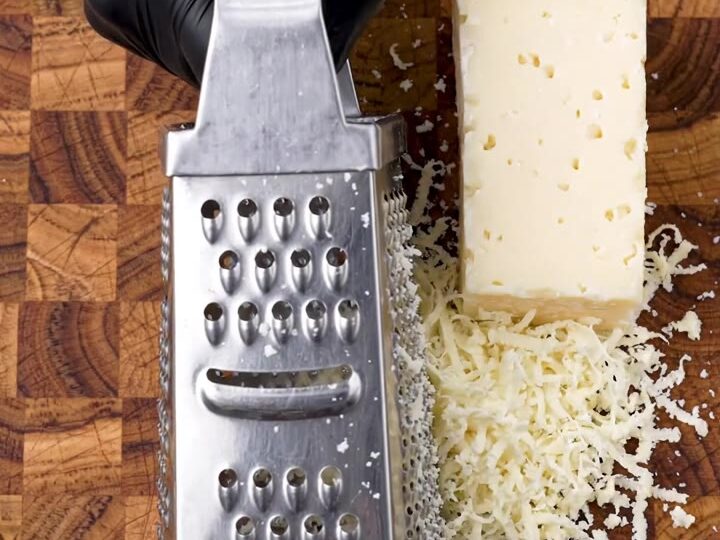
Drain the whole capers and pit the green and black olives. Halve the lemon and keep the wedges ready for serving. If you plan to use hard cheese, grate it on a box grater and keep it close by. Chop a small handful of fresh green herbs and set them aside. Keep the swordfish refrigerated until the pan is hot, and never leave it out for more than 30 minutes.
Ingredients at a glance (12)
- 2 thick swordfish steaks, about 1 inch thick
- kosher salt, to taste
- black pepper, to taste
- 2 tbsp unsalted butter
- 2 tbsp olive oil
- 1 cup cherry tomatoes, halved
- 1/4 cup green olives, pitted
- 1/4 cup black olives, pitted
- 2 tbsp whole capers, drained
- 1 lemon, halved, plus wedges for serving
- hard cheese, finely grated, for serving, optional
- fresh green herbs, such as parsley, for garnish, to taste
Instructions
Sear and build the sauce
- Prepare the swordfishSet the swordfish steaks on a cutting board and pat them dry with paper towels. Season both sides generously with kosher salt and black pepper. Squeeze juice from half the lemon over the fish and let it sit while the skillet heats.Look for Steaks look dry on the surface and evenly seasoned on both sides.Tip Keep the steaks in the refrigerator until you cook them, and leave them out no longer than 30 minutes.
- Halve the tomatoes and olivesCut the cherry tomatoes in half and set them in a bowl. Drain the capers and pit the green and black olives. Grate the hard cheese on a box grater, if using, and keep it nearby.Look for Tomatoes are halved and olives and capers are ready to add.Tip Pat the tomato halves dry so the sauce does not turn watery.
At the end of this phase the steaks should have a golden crust on the bottom and their edges should look opaque. The butter and oil should have melted into a warm, fragrant fat, and the tomatoes, olives and capers should be sitting around the fish. Before moving on, check that the crust is even and that the pan is not dry, because the butter will help carry flavor into the sauce.
The tomatoes should be softening at the edges and beginning to release their juices. If the pan looks dry, add a small spoonful of butter. Keep the heat steady so nothing scorches while you move to the next stage, and make sure the butter is bubbling but not browning too fast.
Baste and reduce the sauce
- Melt the butter and oilHeat the olive oil and butter in the cast iron skillet over medium-high heat until the butter melts and foams. Swirl the pan so the oil and butter combine into a warm, fragrant fat.Look for Butter has melted and the foam is starting to subside.Tip Use a heavy cast iron skillet so the heat stays steady during searing.
- Sear the swordfishLay the swordfish steaks in the skillet and sear for 3 to 4 minutes, until golden on the bottom and opaque around the edges. Add the halved tomatoes, olives and capers around the fish.Look for Bottom edges are golden and the sides turn opaque.Tip Do not move the steaks while they sear so they build a golden crust.
- Baste with butterSpoon the bubbling butter over the steaks and add a pat of butter on top of each one so it melts down the sides. Let the butter foam around the fish for about a minute.Look for Butter bubbles around the fish and the steaks glisten.Tip Tilt the pan slightly so the butter pools and is easy to spoon.
- Reduce the tomato sauceSimmer the tomatoes, olives and capers over medium heat for 4 to 5 minutes, until the tomatoes soften, release their juices and reduce to a jammy, slightly saucy consistency. Squeeze in a little more lemon juice if you like.Look for Tomatoes have collapsed into a thick, glossy sauce.Tip Spoon the sauce over the fish while it reduces to keep it moist.
At the end of this phase the tomatoes should have collapsed into a thick, jammy sauce with a glossy sheen. The olives and capers should be warmed through and the butter should be foaming gently around the steaks. Check that the sauce is slightly saucy rather than dry, and that the fish has begun to firm up on its sides. If the sauce looks too thin, simmer it a little longer. If it looks too thick, add a spoonful of water. Spoon some of the sauce over the fish so the top stays moist. When the tomatoes have broken down and the sauce coats a spoon, the steaks are ready for their final turn in the pan.
Finish and plate in the skillet
- Finish the swordfishTurn the swordfish gently with tongs and spoon the sauce over it. Cook for 2 to 4 minutes more, until the thickest part of each steak is opaque and flakes easily with a fork, reaching 145°F (63°C).Look for Fish flakes easily and the center is opaque throughout.Safe temperature 145°F (63°C) internal temperature (fish)Tip Check the thickest part with an instant-read thermometer.
- Garnish and serveScatter fresh green herbs over the skillet and sprinkle with grated hard cheese if using. Serve straight from the skillet with lemon wedges on the side for squeezing over the fish.Look for Herbs are bright green and the sauce looks glossy.Tip Add the herbs at the very end so they stay fresh and vivid.
At the end of this phase the swordfish should be just cooked through, flaking easily with a fork and opaque all the way to the center. The thickest part of each steak should reach 145°F (63°C) on an instant-read thermometer. The sauce should be glossy and thick enough to cling to the fish. Check the center of one steak before you finish. Scatter the herbs and optional hard cheese over the top, then serve immediately from the skillet with lemon wedges. The fish keeps cooking from residual heat, so take it off the heat as soon as it flakes.
Common mistakes
The most common mistake is moving the swordfish too early. If you lift the steaks before the bottom has formed a golden crust, they will stick and tear when you turn them. Another frequent error is overcooking the fish. Swordfish is lean, and once it turns dry and chalky it loses the moist texture that makes it appealing.
Watch the edges and the center closely during the final minutes. A third mistake is letting the tomatoes stay watery. If the pan is crowded or the heat is too low, the tomatoes release juice without reducing, and the sauce ends up thin. Use medium-high heat for searing and medium heat for reducing, and pat the tomatoes dry before they go into the skillet.
How to tell it’s done
Swordfish is done when the thickest part of each steak is opaque all the way through and flakes easily when pressed gently with a fork. For a reliable check, insert an instant-read thermometer into the center of the thickest steak. It should read 145°F (63°C), the safe internal temperature for fish.
Remove the steaks from the skillet as soon as they reach this point, because the residual heat will continue to cook them slightly. The sauce should be jammy, glossy and thick enough to coat the back of a spoon. If the center still looks translucent, return the fish to the sauce for another minute and check again. Do not rely on color alone, since the exterior can look done before the center is ready.
- Fish: 145°F (63°C) in the thickest part
Up next · Part 3 of 3
4 variations · storage & make-ahead · 5 answers · printable card
Tips, FAQ & printable recipe (Part 3)← Back to the ingredients (Part 1)