Dinner · Part 2 of 3: Instructions
Seared Swordfish Steaks with Burst Tomato Caper Pan Sauce Step-by-step instructions
- Prep
- Cook
- Total
- Serves
- 2
Before you start
Before you start, pat the swordfish steaks dry and season them with salt and pepper. Slice the lemon into thin rounds and grate the cheese. Have the cherry tomatoes, olives, capers, and garlic herb butter measured and ready.
Heat the skillet over medium-high heat with the olive oil and butter. The prep is quick, so keep everything within reach — the cooking moves fast once the fish hits the pan.
Ingredients at a glance (12)
- 2 thick swordfish steaks (about 6 oz each)
- 2 tbsp olive oil
- 1 tbsp butter
- 1 cup cherry tomatoes
- 1/2 cup kalamata olives, pitted
- 2 tbsp capers, drained
- 2 tbsp garlic herb butter
- 1 lemon, sliced into rounds
- 1/2 cup grated aged sheep milk cheese
- 2 tbsp fresh oregano leaves
- kosher salt to taste
- black pepper to taste
Instructions
Prep and Sear
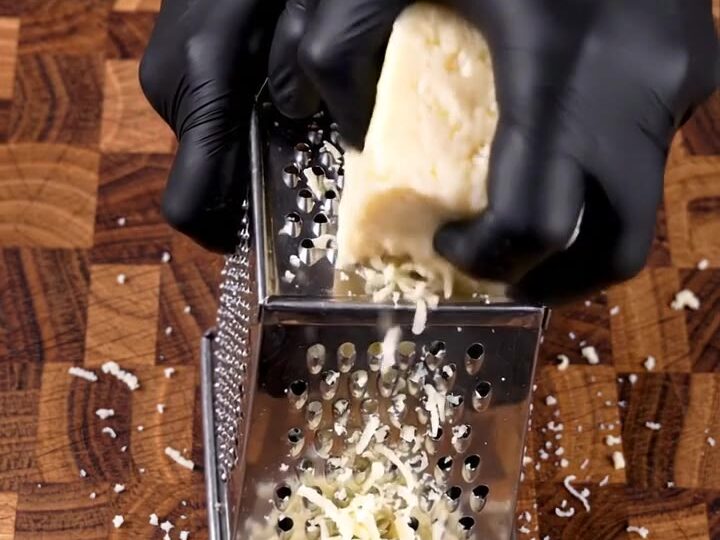
- Prepare the aromatics and cheeseSlice the lemon into thin rounds and set aside. Grate the aged sheep milk cheese on a box grater into a fluffy pile. Pat the swordfish steaks dry with paper towels and season both sides generously with kosher salt and black pepper.Look for The cheese is light and airy; the fish is seasoned and ready.Tip Dry fish sears better — patting away moisture ensures a golden crust.
- Heat the skilletPlace a cast iron skillet over medium-high heat and add the olive oil and butter. Heat until the butter foams and then subsides, but before it browns.Look for The butter is foamy but not yet browned.Tip Cast iron holds heat well — make sure the pan is hot before adding the fish.
The lemon is sliced, the cheese is grated into a fluffy pile, and the swordfish is seasoned. The skillet is hot, with the butter foaming but not browned.
The fish is placed in the pan and sears without moving, developing a deep golden crust. The kitchen smells of butter and browning fish.
Build the Sauce
- Sear the swordfishLay the swordfish steaks in the hot skillet. Sear without moving for 3 to 4 minutes until a deep golden crust forms. Flip and sear the other side for another 3 to 4 minutes, basting with the buttery juices. Cook until the internal temperature reaches 145°F (63°C).Look for The fish releases easily from the pan and is golden on both sides.Safe temperature 145°F (63°C) internal temperature (fish)Tip Resist moving the fish — let the crust develop before flipping.
- Add the tomatoes, olives, and capersAdd the cherry tomatoes, kalamata olives, and capers to the skillet around the swordfish. Let them cook for 2 to 3 minutes, stirring occasionally, until the tomatoes start to blister and burst.Look for Tomatoes are wrinkled and beginning to pop; the pan smells briny and sweet.Tip Keep the heat medium-high — the tomatoes need high heat to burst, not stew.
- Finish with garlic herb butterAdd the garlic herb butter to the skillet and stir into the tomato mixture. Spoon the bubbling butter and pan juices over the swordfish to baste. Cook for another minute until the butter is melted and fragrant.Look for The sauce is glossy and aromatic; the fish is glistening.Tip Basting with the butter keeps the fish moist and adds flavor.
The tomatoes have started to blister and burst, releasing their juices, while the olives and capers add briny notes. The garlic herb butter has melted into the pan, creating a glossy, aromatic sauce. The fish is basted with the butter and is nearly cooked through, glistening with flavor.
Finish and Serve
- Add lemon and oregano, then serveScatter the lemon rounds and fresh oregano over the skillet. Spoon the burst tomato olive pan sauce over the swordfish. Lift a glistening piece onto plates and top with the grated sheep milk cheese. Serve immediately.Look for The sauce is thick with burst tomatoes and olives; the cheese melts slightly on contact.Tip Let the fish rest for a minute on the plate before serving — it stays juicy.
The lemon rounds and fresh oregano are scattered over the skillet, and the sauce is spooned over the fish. The cheese is sprinkled on top, melting slightly from the heat. The dish is bright, briny, and buttery — ready to serve immediately from the pan.
Common mistakes
Overcooking is the most common mistake — swordfish turns dry and tough if left on the heat too long. Use a thermometer and pull the fish at 145°F (63°C). Another mistake is overcrowding the pan, which lowers the heat and steams the fish instead of searing it.
Cook just two steaks in a large skillet, or work in batches. Finally, don't stir the tomatoes too much — they need contact with the hot pan to blister and burst.
How to tell it’s done
The swordfish is done when it reaches an internal temperature of 145°F (63°C) and flakes easily with a fork. The exterior should be deeply golden and the interior just opaque.
If you don't have a thermometer, cut into the thickest part — the flesh should look moist and slightly translucent in the center, not dry or chalky. The tomatoes should be blistered and bursting, and the sauce should be thick and glossy.
- Fish: 145°F (63°C) in the thickest part
Up next · Part 3 of 3
4 variations · storage & make-ahead · 5 answers · printable card
Tips, FAQ & printable recipe (Part 3)← Back to the ingredients (Part 1)