Dinner · Part 2 of 3: Instructions
Seared Swordfish with Burst Tomato Olive Pan Sauce Step-by-step instructions
- Prep
- Cook
- Total
- Serves
- 4
Before you start
Before starting, remove the swordfish steaks from the refrigerator and let them sit at room temperature for no more than 30 minutes. Pat them dry with paper towels and season generously with salt and pepper.
Grate the cheese, slice the lemon, and have the tomatoes, capers, olives, and oregano measured and ready. Place a large cast iron skillet on the stove and gather the olive oil, butter, and garlic herb butter so everything is within reach.
Ingredients at a glance (12)
- 4 swordfish steaks, about 1 inch thick (6 oz each)
- 2 tbsp olive oil
- 2 tbsp unsalted butter
- 1 1/2 cups cherry tomatoes
- 2 tbsp capers, drained
- 1/2 cup kalamata olives, pitted and halved
- 1 lemon, sliced into rounds
- 3 tbsp garlic herb butter
- 1/2 cup aged sheep milk cheese, grated (such as Pecorino)
- 2 tbsp fresh oregano leaves
- kosher salt to taste
- freshly ground black pepper to taste
Instructions
Preparation and Searing
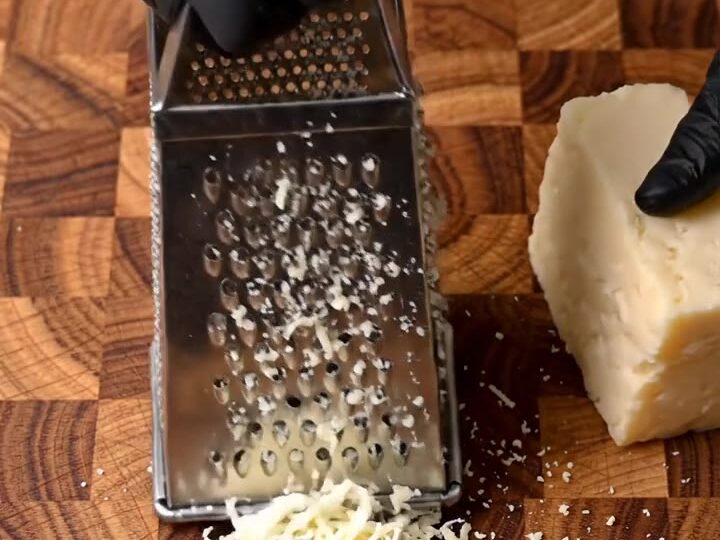
- Prepare the IngredientsGrate the aged sheep milk cheese on a box grater into a fluffy pile. Slice the lemon into thin rounds. Have the cherry tomatoes, capers, and kalamata olives ready. Pat the swordfish steaks dry with paper towels and season both sides generously with kosher salt and freshly ground black pepper.Look for The cheese is fluffy and light; the fish is seasoned and ready.Tip Patting the fish dry helps achieve a good sear.
- Preheat the SkilletPlace a large cast iron skillet over medium-high heat and add the olive oil and 1 tablespoon of the unsalted butter. Heat until the butter is foaming and the oil shimmers, but do not let the butter brown.Look for The butter is foamy and the pan is hot but not smoking.Tip If the butter browns, reduce the heat slightly.
At this stage, the cheese is grated into a light, fluffy pile, the lemon is sliced, and the swordfish is seasoned and ready. The skillet is hot, with the butter foaming and the oil shimmering. The fish should be placed in the pan and left undisturbed until a golden crust forms. The kitchen will smell richly of browning butter and seared fish.
Building the Sauce
- Sear the SwordfishCarefully lay the swordfish steaks in the hot skillet. Cook without moving for 3 to 4 minutes, until a golden-brown crust forms. Flip the steaks and cook for another 3 to 4 minutes on the second side, basting occasionally with the pan butter, until the fish is opaque and flakes easily, and the internal temperature reaches 145°F (63°C). Transfer the fish to a plate and let rest for at least 3 minutes.Look for The fish is golden brown on both sides and flakes easily with a fork.Safe temperature 145°F (63°C) internal temperature (fish)Tip Do not crowd the pan; cook in batches if necessary.
- Build the Pan SauceReduce the heat to medium. Add the cherry tomatoes, capers, and kalamata olives to the same skillet. Cook, stirring occasionally, for 3 to 4 minutes, until the tomatoes begin to burst and release their juices. Add the lemon slices and garlic herb butter, stirring to melt and combine. Cook for 1 minute more, until the sauce is glossy and fragrant.Look for Tomatoes are blistered and the sauce is bubbling and aromatic.Tip Use a wooden spoon to gently burst the tomatoes as they soften.
The swordfish is seared to golden brown and resting on a plate. In the same skillet, the cherry tomatoes begin to blister and burst, releasing their sweet juices.
The capers, olives, and lemon slices join in, and the garlic herb butter melts into a glossy, aromatic sauce. The colors are vibrant—red, green, and yellow—and the fragrance is heady with garlic and herbs.
Finishing and Serving
- Finish the DishReturn the swordfish steaks to the skillet, nestling them into the sauce. Spoon the burst tomato olive pan sauce over the fish. Sprinkle with the grated sheep milk cheese and fresh oregano leaves. Let everything warm together for 1 minute, then serve immediately.Look for The sauce clings to the fish, and the cheese melts slightly.Tip Serve with crusty bread to soak up every drop of sauce.
The swordfish steaks are returned to the skillet, coated with the sauce, and sprinkled with grated cheese and fresh oregano. The cheese begins to melt slightly, and the oregano adds a bright, peppery note. The dish is ready to serve immediately, with the fish glistening and the sauce bubbling gently around it.
Common mistakes
Do not move the swordfish while it sears—let it develop a crust before flipping. If the pan is too crowded, cook the steaks in batches to avoid steaming. Be careful not to overcook the fish; it goes from perfectly juicy to dry quickly.
When making the sauce, keep the heat at medium so the tomatoes burst without burning the garlic. Taste the sauce before serving and adjust the salt, remembering that capers, olives, and cheese are already salty.
How to tell it’s done
The swordfish is done when it is opaque throughout and flakes easily with a fork. For the safest result, insert an instant-read thermometer into the thickest part of the steak; it should read 145°F (63°C).
The fish will continue to cook slightly as it rests, so take it off the heat just before it reaches the target temperature. Let the steaks rest for at least 3 minutes before serving to allow the juices to redistribute.
- Fish: 145°F (63°C) in the thickest part
Up next · Part 3 of 3
4 variations · storage & make-ahead · 5 answers · printable card
Tips, FAQ & printable recipe (Part 3)← Back to the ingredients (Part 1)