Dinner · Part 2 of 3: Instructions
Seared Scallops with Brown Butter, Butternut Squash and Parmesan Step-by-step instructions
- Prep
- Cook
- Total
- Serves
- 4
Before you start
Before you turn on the heat, pat the scallops completely dry with paper towels, then season both sides evenly with salt and pepper. Dice the squash into small, uniform cubes so the pieces cook at the same pace. Pick the sage leaves from the stem and keep a small sprig for garnish. Grate the parmesan into a fine pile.
Set everything within reach of the stove, since browned butter moves from golden to dark in a matter of seconds. Set a plate and warm serving dishes nearby, and have a clean pair of tongs ready. Keeping the scallops in the refrigerator until the moment you cook them preserves their texture and keeps the surfaces dry for a better sear.
Ingredients at a glance (8)
- 1 lb butternut squash, peeled, seeded and diced into small cubes
- 1 lb large sea scallops, side muscle removed and patted dry
- 3/4 tsp kosher salt, plus more to taste
- 1/4 tsp freshly ground black pepper
- 1 tbsp olive oil
- 4 tbsp unsalted butter
- 12 fresh sage leaves, plus a sprig for garnish
- 1/2 cup finely grated parmesan cheese, plus more for serving
Instructions
Sear the scallops until golden
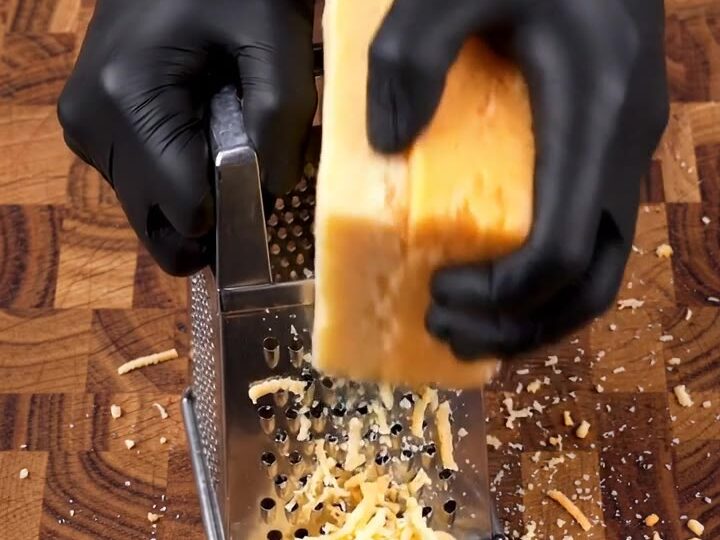
- Prepare the squash and cheeseDice the butternut squash into small, even cubes about 1/2 inch wide. Pick the sage leaves from the stem and keep the sprig for garnish. Grate the parmesan on the small holes of a box grater into a fine pile and set it aside.Look for Squash cubes are even and small, and the parmesan forms a fine, fluffy pile.Tip Cut the squash into uniform cubes so every piece cooks at the same rate in the skillet.
- Season the scallopsPat the scallops completely dry with paper towels. Season both sides with the kosher salt and black pepper. Let them rest on the board while the skillet heats.Look for Scallop surfaces look matte and feel dry to the touch.Tip Dry scallops sear to a golden crust, while wet ones steam and turn pale.
The scallops should have a deep golden crust on the first side and release easily from the pan when you slide a spatula underneath. The edges look slightly opaque and the flesh is still tender in the center. Before moving on, flip each scallop once with tongs and confirm the second side has started to brown evenly.
If a scallop sticks, leave it another minute. A crust that forms without force means the pan is hot enough and the scallops are dry, so the surface can brown properly and the sear will hold through the rest of the cooking.
Brown the butter and cook the squash
- Sear the scallopsHeat the olive oil in the cast iron skillet over medium-high heat until it shimmers. Add the scallops in a single layer and sear without moving them until deep golden on the bottom, then flip with tongs and sear the other side.Look for The bottom turns deep golden and the scallops release easily from the pan.Safe temperature 145°F (63°C) internal temperature (shellfish)Tip Do not crowd the pan. Sear in batches if needed so the scallops brown rather than steam.
- Brown the butter with squash and sageReduce the heat to medium. Add the butter, squash cubes and whole sage leaves to the skillet. Swirl the butter as it melts, foams and browns to a nutty golden color, spooning it over the scallops and squash.Look for The butter smells nutty, turns golden and the sage leaves crisp.Tip Watch the butter closely; once it smells nutty, lower the heat to prevent black specks.
- Finish the scallopsCook the scallops and squash for a few more minutes, turning the scallops with tongs, until the squash is tender and the scallop centers are opaque. Season the squash with a pinch more salt if needed.Look for Scallop centers look opaque and the squash edges are tender and browned.Safe temperature 145°F (63°C) internal temperature (shellfish)Tip Scallops turn rubbery when overcooked, so remove them as soon as they are opaque.
The butter should have melted, foamed and turned a nutty golden color, with a toasty aroma and light brown specks at the bottom of the pan. The squash cubes look glossy and begin to soften at the edges, and the sage leaves crisp and darken slightly. Check that the butter has not turned dark brown or smelled burnt. If it is browning too fast, lower the heat. Once these signs appear, the squash is nearly tender and the sauce is ready to spoon over the scallops, so move on to the final cooking.
Finish and plate with parmesan
- Plate with brown butter and parmesanDivide the scallops and squash among warm plates. Spoon the golden brown butter over the top, arrange the crisp sage leaves alongside, and shower generously with the grated parmesan. Serve immediately.Look for Golden butter pools around the scallops and the cheese melts slightly on top.Tip Serve right away so the scallops stay tender and the sage stays crisp.
The scallop centers should look opaque and feel springy rather than soft, and the squash should be tender when pierced with a fork, with golden edges. Taste a bit of squash and adjust the salt if needed. Before serving, spoon the brown butter over every plate and check that the sage is crisp and the cheese is freshly grated. The dish is ready when the scallops are hot through, the sauce is glossy, and each portion has a generous shower of parmesan on top.
Common mistakes
The most common error is cooking the scallops in a pan that is not hot enough or is crowded, which steams them and leaves them pale and rubbery. Always dry the scallops thoroughly and leave space between them so the surface can brown. Another frequent mistake is letting the butter burn.
Brown butter goes from golden to bitter within seconds, so keep the heat moderate once the butter foams and watch the color closely. Overcooking is also easy to do, since scallops only need a few minutes per side. Finally, do not season the squash too early or too heavily, because the parmesan is already salty and the brown butter carries a lot of flavor.
How to tell it’s done
Scallops are done when the sides are deeply golden and the centers have turned opaque and springy, not translucent. For food safety, the scallops must reach an internal temperature of 145°F (63°C) to be fully cooked. Because scallops are small and thick, a probe thermometer inserted from the side into the center gives the most reliable reading.
The squash is done when a fork slides through a cube easily with no resistance, and the edges look golden brown. Serve the scallops immediately after cooking so they stay moist and tender, and the sage keeps its crispness.
- Shellfish: 145°F (63°C) in the thickest part
Up next · Part 3 of 3
4 variations · storage & make-ahead · 5 answers · printable card
Tips, FAQ & printable recipe (Part 3)← Back to the ingredients (Part 1)