Dinner · Part 3 of 3: Tips & recipe card
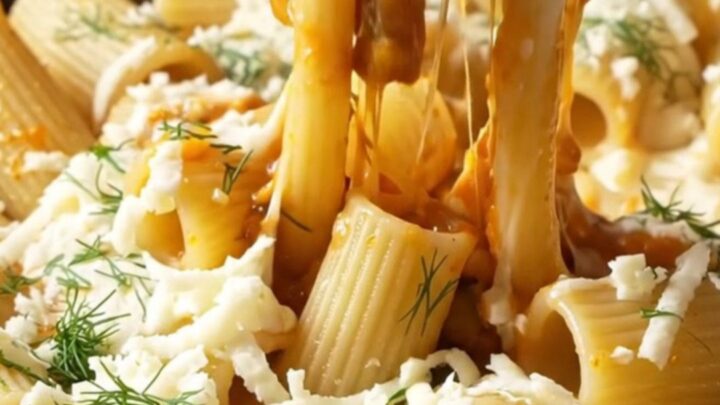
Roasted Vegetable Pipe Rigate Pasta Tips, FAQ & printable recipe
- Prep
- Cook
- Total
- Serves
- 4
Tips for success
For the best flavor, use ripe, in-season vegetables. The sweetness of the peppers and tomatoes is what makes this sauce so special. If your tomatoes are not very flavorful, you can add a teaspoon of tomato paste along with the water during roasting to boost the umami.
The vegetables should be placed in a single layer in the pan — if they are crowded, they will steam instead of roast, which will make the sauce watery.
When mashing the vegetables, leave some chunks for texture. You don't want a smooth puree; the rustic consistency is what makes this dish hearty. The starchy pasta water is crucial — it helps the sauce cling to the pasta and creates a silky, emulsified texture. Add it gradually, as you may not need all of it. If the sauce becomes too thin, let it simmer for a minute or two to thicken.
Variations
- Spicy Arrabbiata: Add 1/2 teaspoon of red pepper flakes along with the olive oil before roasting, and use a pinch of cayenne in the mashed sauce for a kick. Finish with a drizzle of chili oil before serving, if desired.
- Herb Garden: Replace the dill with a combination of fresh basil, parsley, and oregano. Add a handful of chopped fresh spinach along with the mozzarella for extra greens, and stir until wilted.
- Vegan Creamy: Use a dairy-free mozzarella-style shreds and stir in 2 tablespoons of nutritional yeast along with the cheese for a savory, cheesy flavor. The sauce will still be rich and satisfying without any dairy.
- Protein Boost: Add 1 cup of cooked chickpeas or white beans along with the pasta to increase the protein content. The beans will absorb the sauce and add a hearty texture. Or, top with grilled chicken or Italian sausage.
Storage and make-ahead
- Fridge
- Store leftovers in an airtight container in the refrigerator for up to 3 days. Reheat gently with a splash of water to restore the sauce's consistency.
- Freezer
- The sauce (without pasta) can be frozen for up to 3 months. Thaw overnight in the refrigerator and reheat gently.
- Reheat
- Reheat leftovers in a skillet over medium-low heat, adding a splash of water or broth to loosen the sauce. Stir frequently until piping hot.
Leftovers can be stored in an airtight container in the refrigerator for up to 3 days. The pasta will absorb some of the sauce as it sits, so you may want to add a splash of water or broth when reheating to loosen it.
Reheat gently on the stovetop or in the microwave, stirring occasionally, until piping hot. The dill will lose some of its brightness, so you can add a fresh sprinkle before serving if desired.
The roasted vegetable sauce can be made up to 2 days ahead. Prepare the sauce through the mashing step, then let it cool completely and store it in an airtight container in the refrigerator.
When ready to serve, reheat the sauce in a large pan over medium heat, adding a splash of water if needed, then proceed with cooking the pasta and finishing the dish. The pasta is best cooked fresh, but you can also cook it ahead and toss it with a little olive oil to prevent sticking, then combine with the sauce when reheating.
Serving ideas
Serve the pasta piping hot, straight from the pan, with extra fresh dill scattered on top. The dish is substantial enough to be a main course, but it also works as a side dish alongside grilled chicken or fish. A simple green salad with a lemony vinaigrette would be a refreshing contrast to the rich, cheesy pasta. For a more indulgent meal, serve with crusty bread to soak up any extra sauce.
This pasta is best enjoyed immediately, while the cheese is still stretchy and the sauce is glossy. If you're serving a crowd, you can keep the pasta warm in a low oven (200°F) for up to 20 minutes, but the sauce will thicken as it sits.
To refresh it, stir in a splash of hot water or broth before serving. Pair with a light red wine, such as a Chianti or Pinot Noir, to complement the roasted vegetable flavors.
Frequently asked questions
Can this recipe be made gluten-free?
Can the roasted vegetable sauce be prepared in advance?
What can be used instead of pipe rigate pasta?
Is the dish suitable for freezing?
How can the sauce be thickened if it is too watery?
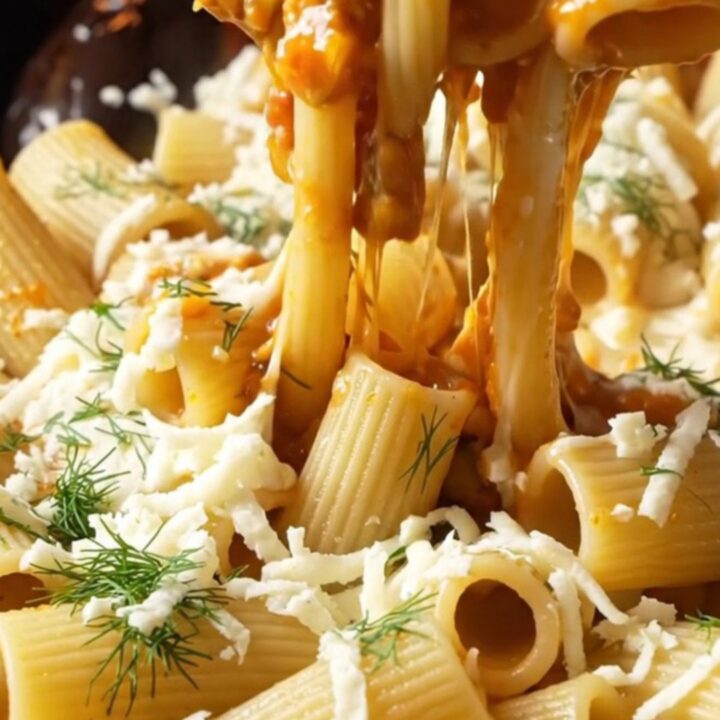
Roasted Vegetable Pipe Rigate Pasta
Ingredients
- 1 large eggplant (about 1 lb)
- 2 sweet red peppers
- 4 ripe tomatoes
- 2 yellow onions, halved
- 3 tbsp olive oil
- 1 tsp kosher salt
- 1/2 tsp black pepper
- 1/2 cup water
- 10 oz pipe rigate pasta
- 1 cup starchy pasta cooking water
- 1 cup shredded mozzarella
- 1/4 cup fresh dill, chopped
Instructions
- Place the whole eggplant, sweet red peppers, tomatoes, and halved onions in a deep oven-safe pan. Drizzle with olive oil and season with salt and black pepper. Turn the vegetables to coat them lightly. Add the water to the pan, cover with a glass lid or foil, and roast at 400°F (200°C) for 30 to 35 minutes, until the eggplant is collapsed and the pepper skins are blistered. The steam trapped under the lid will help the vegetables soften evenly.
- Reduce the oven temperature to 350°F (175°C). Keep the pan covered and continue to cook for another 10 to 15 minutes, until the eggplant is completely soft and the tomatoes have burst. The liquid should be gently bubbling. Check that the vegetables are fork-tender throughout; if they need more time, cover and cook in 5-minute increments.
- Remove the pan from the oven and let it cool for 5 minutes. Using a potato masher, crush the roasted vegetables directly in the pan until you have a chunky, rustic puree. Leave some larger pieces for texture. The sauce should be thick and jammy, with the natural sweetness of the peppers and tomatoes coming through. Season with additional salt and pepper if needed.
- Bring a large pot of generously salted water to a rolling boil. Add the pipe rigate pasta and cook according to the package directions until al dente, about 10 to 12 minutes. Reserve 1 cup of the starchy pasta cooking water before draining. Drain the pasta well but do not rinse it — the starch on the surface helps the sauce cling to the shells.
- Add the drained pipe rigate pasta to the pan with the mashed vegetable sauce. Pour in the reserved starchy cooking water. Stir gently to coat every shell with the sauce. The starchy water will loosen the sauce and help it cling to the pasta. Heat over medium-low, stirring occasionally, until the sauce is bubbling and the pasta is fully coated.
- Sprinkle the shredded mozzarella over the pasta. Stir continuously for 1 to 2 minutes, until the cheese is melted and forms long, gooey ropes that weave through the shells. Fold in the chopped fresh dill. The dill should be added just before serving so it stays bright and fragrant. Taste and adjust seasoning with salt and pepper.
- Spoon the pasta into warm bowls immediately. Garnish with a few extra dill fronds and a crack of black pepper, if desired. Serve piping hot, while the cheese is still stretchy and the sauce is glossy. The pasta is best eaten right away — the sauce thickens as it cools, so enjoy it while it's at its most luscious.
Estimated nutrition per serving
- Calories
- 520
- Protein
- 18 g
- Carbohydrates
- 72 g
- Fat
- 18 g
- Fiber
- 8 g
- Sugar
- 14 g
- Sodium
- 780 mg
Next recipe
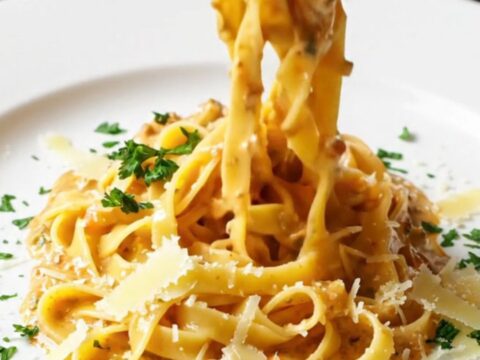
One-Pan Whole Vegetable Tagliatelle: Creamy Garden Pasta
See the recipe → →This recipe is based on a short cooking video and is published under the pen name Clara Weller. It was checked before publication, but errors can slip through. Nutrition, when shown, is an estimate. Read more in our editorial policy and on our food safety page.
More recipes to try
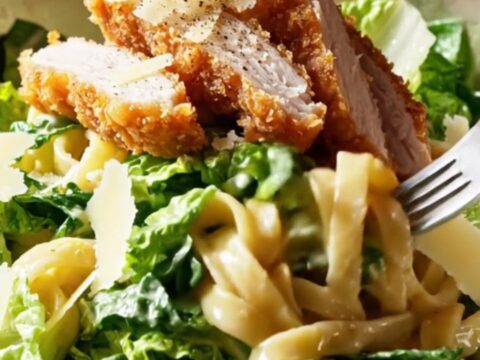
Crispy Chicken Caesar Pasta Salad
Total time: 35 min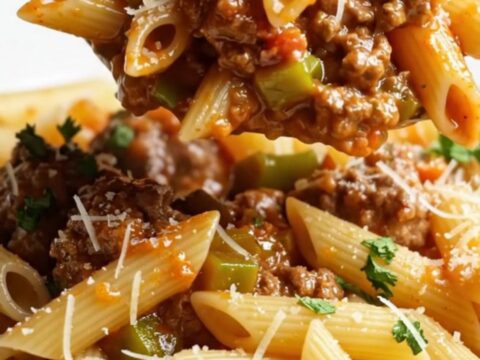
One-Pan Whole Vegetable Meatball Penne
Total time: 50 min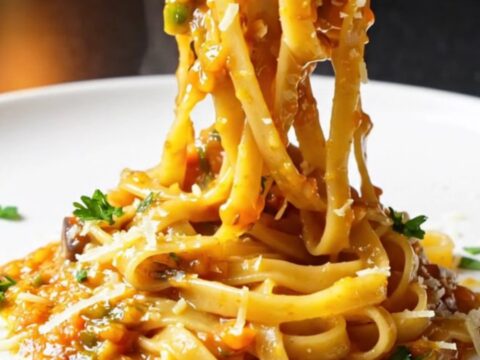
Viral Whole Vegetable Pasta with Golden Tagliatelle
Total time: 45 min
Crispy Chicken Nuggets With Cane Sauce: Quick & Crunchy
Total time: 30 min
Crispy Chicken Alfredo Wraps: Golden Pan-Fried Delight
Total time: 30 min