Dinner · Part 2 of 3: Instructions
Pan-Seared Arctic Char with Garlic Herb Butter and Crispy Skin Step-by-step instructions
- Prep
- Cook
- Total
- Serves
- 2
Before you start
Gather everything before you turn on the heat, because the fish cooks quickly and the sauce needs your attention once it begins to foam. Take the arctic char out of the refrigerator only when you are ready to cook, and keep it chilled until then. Raw fish should not sit at room temperature for more than 30 minutes before cooking.
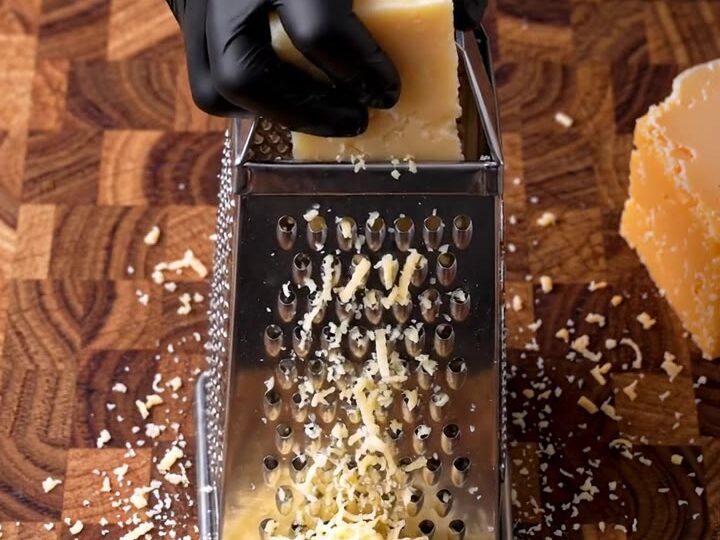
Pat the fillets dry with paper towels, then use a sharp knife to score the skin in a few shallow diagonal cuts. On a wooden cutting board, finely slice the garlic cloves and chop the dill. Keep a few dill sprigs whole for serving. Grate the hard aged cheese on a box grater so it is ready to sprinkle at the end. Rinse the cherry tomatoes and dry them well.
Ingredients at a glance (8)
- 2 arctic char fillets, skin on (about 6 oz each)
- 4 cloves garlic, finely sliced, plus 1 more clove for the pan
- 2 tbsp fresh dill, chopped, plus sprigs for serving
- 1 cup cherry tomatoes, left whole
- 3 tbsp unsalted butter
- 1/4 cup finely grated hard aged cheese, such as Parmesan
- kosher salt and black pepper to taste
- 1 tbsp neutral oil, such as canola
Instructions
Prepare the fish and garnishes
- Prepare the fish and garnishesPat the arctic char fillets dry with paper towels. Score the skin in a few shallow diagonal cuts, season the flesh with salt and pepper, and keep the fillets chilled until the pan is hot. On the board, finely slice the garlic cloves and chop the dill, then grate the hard cheese over the board with a box grater.Look for The skin is dry and the garlic is in thin, even slicesTip Dry skin browns faster and crisps better than damp skin.
The fillets are dry and lightly seasoned, with the skin scored in shallow cuts. The garlic is finely sliced, the dill is chopped and the cheese is grated into a fine mound on the board. Nothing is left to do but cook.
Before going on, check that the fish is still cold, the skin is dry to the touch and every garnish is within reach of the skillet. If the fish feels warm or slightly sticky, return it to the refrigerator for a few minutes and wipe the board again. A dry surface and a calm, organized station make the searing step far easier to control.
Sear and baste the fish
- Sear the fish skin-side downHeat the oil in the cast iron skillet over medium-high heat until it shimmers. Lay the fillets skin-side down and press gently for 10 seconds so the skin stays flat. Add the butter, then the tomatoes, garlic and dill around the fish.Look for The butter foams and bubbles around the filletsTip Keep the fish skin-side down until the skin releases easily.
- Baste until the tomatoes burstCook without moving the fish while the skin crisps and the tomatoes soften and start to burst in the garlic butter. Spoon the foaming butter over the fillets to keep the flesh moist.Look for The tomatoes soften and split and the skin turns golden at the edgesTip Lower the heat slightly if the butter starts to darken too fast.
The butter is foaming, the skin is turning from pale to golden at the edges, and the cherry tomatoes are softening and beginning to split in the garlic butter. The fillets should look firm at the base and hold their shape. Check the skin by lifting one corner gently with tongs: it should release without tearing and show a crisp, even color. If the skin sticks, leave it for another 30 seconds. If the butter darkens too fast, lower the heat slightly so the garlic does not scorch while the fish finishes.
Flip, finish and plate
- Flip, baste and finish the fishUse metal tongs to flip the fillets carefully. Spoon the garlic butter and tomatoes over the flesh and baste for 2 to 3 minutes, until the fish is opaque, flakes easily with a fork and reaches 145°F (63°C) at the thickest part.Look for The flesh turns opaque and flakes easily at the thickest pointSafe temperature 145°F (63°C) internal temperature (fish)Tip Check the thickest part with an instant-read thermometer.
- Plate and finish with cheeseTransfer the fillets to warm plates, skin side up. Spoon the pan-roasted tomatoes, garlic and butter sauce over the crispy skin, scatter with dill sprigs and finish with the grated hard cheese. Serve at once while the skin is still crisp.Look for The skin stays crisp and the cheese starts to melt into the sauceTip Serve immediately, because the skin softens as it sits.
The flesh has turned opaque from the bottom up and flakes easily when pressed with a fork at its thickest point. The tomatoes have burst into a loose, glossy sauce with the garlic and dill, and the fish reaches 145°F (63°C). Before plating, confirm that the flesh is no longer translucent in the center and that the skin is crisp to the touch. Serve on warm plates straight away, with the grated cheese added just before the dish leaves the stove.
Common mistakes
The most common error is placing the fish in a pan that is not hot enough. The skin then steams, sticks and stays pale instead of crisping. Preheat the skillet over medium-high heat until the oil shimmers, and make sure the fillets are dry before they touch the metal. Another mistake is moving the fish too soon.
Let the skin set and release on its own before you lift the fillets, or the skin will tear. Overcooking is equally easy, because arctic char is lean and turns dry quickly once the flesh is fully opaque. Pull it off the heat as soon as it flakes at the thickest point. Finally, do not let the butter burn.
How to tell it’s done
The fish is done when its flesh has turned opaque all the way through the thickest part of the fillet and flakes easily with a fork. The color changes from translucent pink-orange to a uniform, opaque pink. For certainty, insert an instant-read thermometer into the thickest section, away from the skin. It should read at least 145°F (63°C).
The skin should be golden and crisp, and the tomatoes should be soft and burst. The sauce should look glossy and well combined rather than separated or greasy. If the fish is still firm and glassy in the center, baste for another 30 seconds and check again. Avoid cooking it past the point of flaking, because the lean flesh dries out quickly once it passes that point.
- Fish: 145°F (63°C) in the thickest part
Up next · Part 3 of 3
4 variations · storage & make-ahead · 5 answers · printable card
Tips, FAQ & printable recipe (Part 3)← Back to the ingredients (Part 1)