Dinner · Part 2 of 3: Instructions
One-Skillet Butternut Sage Lasagna with Brown Butter Fontina Step-by-step instructions
- Prep
- Cook
- Total
- Serves
- 6
Before you start
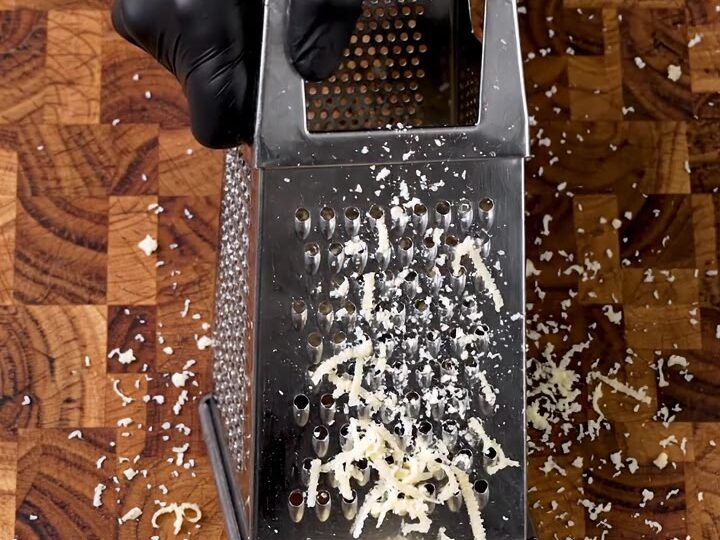
Before starting, heat the oven to 375°F (190°C) and set out a 10-inch cast iron skillet. Peel and slice the butternut squash into thin rounds, about 1/8-inch thick. Shred the fontina and Parmesan cheeses on a box grater.
Slice the sage leaves thinly and set aside the whole leaves for frying. Measure all ingredients and have them ready, as the cooking moves quickly once the béchamel starts.
Ingredients at a glance (13)
- 1 medium butternut squash (about 2 lb), peeled, seeded, and thinly sliced
- 3 tbsp olive oil, divided
- 1 tsp kosher salt, plus more for seasoning
- 1/2 tsp black pepper, plus more for seasoning
- 1/2 cup fresh sage leaves, thinly sliced, plus 12 whole leaves for frying
- 4 tbsp unsalted butter
- 1/4 cup all-purpose flour
- 3 cups whole milk
- 1/8 tsp ground nutmeg
- 12 no-boil lasagna noodles
- 2 cups shredded fontina cheese (about 8 oz)
- 1/2 cup grated Parmesan cheese, plus more for serving
- 1/2 cup vegetable oil, for frying sage
Instructions
Prep and Roast
- Prep the Squash and CheeseHeat the oven to 375°F (190°C). Peel the butternut squash, cut it in half lengthwise, and scoop out the seeds. Slice the squash into thin, even rounds, about 1/8-inch thick. Toss the slices with 2 tablespoons of olive oil, 1/2 teaspoon of salt, and 1/4 teaspoon of pepper in a large bowl. Grate the fontina and Parmesan cheeses on a box grater into separate piles. Thinly slice the sage leaves; set aside the whole leaves for frying.Look for The squash slices are evenly coated with oil and lightly seasoned. The cheese is shredded and ready.Tip Use a mandoline for perfectly uniform squash slices, which cook evenly and layer neatly.
- Roast the SquashSpread the seasoned squash slices in a single layer on a baking sheet. Roast for 15 minutes, until just tender and lightly browned at the edges. Remove from the oven and set aside. Leave the oven on.Look for The squash is fork-tender but still holds its shape, with caramelized edges.Tip Roasting brings out the squash's natural sweetness and prevents it from turning mushy in the lasagna.
The squash slices are tender and lightly caramelized, the cheese is shredded, and the sage is sliced. The béchamel is smooth and thick, with a nutty aroma from the browned butter. The skillet is ready for layering.
Layer and Bake
- Make the Brown Butter BéchamelIn a medium saucepan, melt the butter over medium heat. Cook, swirling occasionally, until the butter turns golden brown and smells nutty, about 3 minutes. Add the sliced sage leaves and cook for 30 seconds. Whisk in the flour and cook for 1 minute. Gradually whisk in the milk, a little at a time, until smooth. Add the nutmeg, 1/2 teaspoon of salt, and remaining 1/4 teaspoon of pepper. Simmer gently, whisking often, until the sauce thickens enough to coat the back of a spoon, about 5 minutes.Look for The sauce is smooth, pale golden, and thick enough to coat a spoon.Tip Keep the heat moderate to avoid scorching the milk. Whisk constantly as you add the milk.
- Layer the LasagnaSpread a thin layer of the béchamel on the bottom of a 10-inch cast iron skillet. Arrange a layer of no-boil lasagna noodles, breaking them as needed to fit. Top with a third of the roasted squash slices, a third of the remaining béchamel, and a third of the fontina. Repeat the layers twice more, ending with a final layer of noodles, béchamel, and all remaining fontina. Sprinkle the Parmesan over the top.Look for The skillet is filled to the rim with even layers, the top covered with cheese.Tip Press the layers down gently so the noodles settle into the sauce and cook evenly.
- Bake the LasagnaPlace the skillet on a baking sheet to catch any overflow. Bake for 30 minutes, until the top is golden and bubbly and the noodles are tender. Increase the oven temperature to broil and broil for 2–3 minutes, until the cheese is blistered in spots. Watch closely to avoid burning.Look for The top is deeply golden with dark blisters, and the sauce is bubbling at the edges.Tip Broiling gives the cheese those irresistible charred spots. Keep an eye on it—it can go from blistered to burnt quickly.
The lasagna is assembled with even layers, and the top is covered with fontina and Parmesan. After baking, the top is golden and blistered, with the sauce bubbling at the edges. The kitchen smells of brown butter and sage.
Finish and Serve
- Fry the Sage LeavesWhile the lasagna bakes, heat the vegetable oil in a small skillet over medium-high heat until shimmering. Add the whole sage leaves in a single layer and fry for 10–15 seconds, until crisp and dark green. Use a slotted spoon to transfer them to a paper towel-lined plate. Sprinkle with a pinch of salt.Look for The sage leaves are crisp, dark green, and no longer sizzle.Tip Fry the sage in small batches so the oil temperature stays high. They crisp up fast.
- Rest and ServeLet the lasagna rest for 10 minutes after baking. Sprinkle the fried sage leaves and extra grated Parmesan over the top. Use a large spoon to pull out a portion, making sure to get the crispy edges and long cheese pulls. Serve hot.Look for The lasagna holds together when cut, with crispy edges and a creamy interior.Tip Resting allows the layers to set, making it easier to serve neat portions.
The fried sage leaves are crisp and dark green, and the lasagna has rested. When serving, the layers hold together, and the cheese pulls into long ribbons. The edges are crispy and caramelized.
Common mistakes
One common mistake is undercooking the squash, which can leave it crunchy. Roast the slices until they are just tender, but not falling apart. Another issue is a béchamel that's too thin, which can make the lasagna soupy.
Cook the sauce until it coats the back of a spoon. Also, avoid overfilling the skillet—leave a little room for the sauce to bubble without overflowing.
Finally, don't skip the resting time, as it helps the lasagna hold its shape when cut.
How to tell it’s done
The lasagna is done when the top is deeply golden and the cheese is blistered in spots. The noodles should be tender when pierced with a knife, and the sauce should be bubbling around the edges.
A thermometer inserted into the center of the lasagna should read at least 165°F (74°C) to ensure everything is heated through. Let the lasagna rest for 10 minutes before serving; this allows the layers to set and makes serving easier.
Up next · Part 3 of 3
4 variations · storage & make-ahead · 5 answers · printable card
Tips, FAQ & printable recipe (Part 3)← Back to the ingredients (Part 1)