Dinner · Part 2 of 3: Instructions
One-Pan Thai Red Curry Prawns with Coconut Cream Step-by-step instructions
- Prep
- Cook
- Total
- Serves
- 4
Before you start
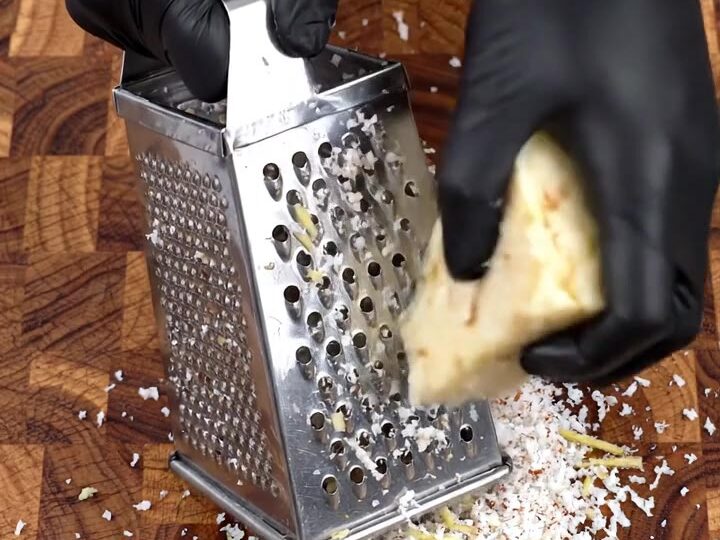
Before starting, butterfly the prawns and slice the peppers. Grate the creamed coconut and ginger on a box grater. Have all ingredients measured and within reach—the cooking moves quickly once the skillet is hot.
Set a large cast iron skillet over high heat to preheat while you prep. If using wooden skewers, soak them in water for 30 minutes to prevent burning.
Ingredients at a glance (11)
- 1 1/2 lb jumbo tiger prawns, peeled and deveined, tails on
- 2 red bell peppers, sliced into strips
- 1 block solid block of creamed coconut, grated
- 2 tbsp fresh ginger, grated
- 3 tbsp Thai red curry paste
- 1 1/2 cups full-fat coconut milk
- 1/2 cup Thai basil leaves, torn
- 1 red chili, thinly sliced
- 1 lime, cut into wedges
- 2 tbsp neutral oil, such as grapeseed or avocado
- 2 tbsp unsalted butter
Instructions
Sear and Build Flavor
- Prep the prawns and aromaticsButterfly the prawns by cutting along the back, keeping the tail intact, and removing the vein. Pat them dry with paper towels. Slice the red bell peppers into 1/4-inch strips. Grate the creamed coconut block and the fresh ginger on the large holes of a box grater into separate piles.Look for Prawns are butterflied and dry; peppers are uniform strips; coconut and ginger are fluffy shreds.Tip Keep the prawns chilled until ready to cook. A dry surface helps them sear, not steam.
- Heat the skilletPlace a large cast iron skillet over high heat and add the oil. Heat until the oil shimmers and a drop of water sizzles immediately when flicked in. This takes about 2 minutes.Look for Oil is shimmering and nearly smoking; a test drop of water dances on the surface.Tip A properly preheated skillet gives the prawns a golden crust without overcooking.
- Sear the prawns and peppersAdd the prawns in a single layer, cut-side down, and the pepper strips. Sear without stirring for 2 minutes, then flip the prawns and cook 1 minute more. The prawns should be just pink but not fully cooked through. Transfer the prawns and peppers to a plate.Look for Prawns are pink on both sides, curled slightly, and peppers are charred at the edges.Safe temperature 145°F (63°C) internal temperature (shellfish)Tip Do not crowd the pan; cook in batches if needed. Overcrowding lowers the heat and steams the food.
At the end of this phase, the prawns are pink with golden crusts, and the peppers are charred at the edges.
The skillet has a layer of browned bits that will flavor the sauce. The coconut and ginger are grated and ready. The kitchen smells of toasted spice and fresh ginger.
Simmer the Curry
- Bloom the curry pasteReduce the heat to medium. Add the Thai red curry paste to the skillet and stir constantly for 30 seconds until fragrant and slightly darkened. The paste will sizzle and release its oils.Look for The paste is deeply aromatic and has turned a shade darker, with oil beginning to separate.Tip Blooming the paste in the residual oil deepens its flavor and mellows the raw spice.
- Add coconut cream and milkStir in the grated creamed coconut and the coconut milk. Bring the mixture to a gentle simmer, scraping up any browned bits from the bottom of the pan. Let it simmer for 3 to 4 minutes, stirring occasionally, until the sauce thickens slightly and coats the back of a spoon.Look for The sauce is a rich crimson, smooth and glossy, with a consistency like heavy cream.Tip Simmer gently; a rapid boil can cause the coconut milk to separate.
- Return the prawns and peppersReturn the seared prawns and peppers to the skillet, nestling them into the sauce. Simmer for 2 to 3 minutes, spooning the sauce over the prawns, until the prawns are opaque and cooked through. The internal temperature should reach 145°F (63°C).Look for Prawns are firm, opaque, and curl into a C-shape; the sauce has thickened and clings to the shellfish.Safe temperature 145°F (63°C) internal temperature (shellfish)Tip Check one prawn at the thickest part with an instant-read thermometer to confirm doneness.
The sauce is a rich crimson, smooth and glossy, with a consistency like heavy cream. The curry paste has bloomed and is fragrant. The prawns are nestled into the sauce, turning opaque and firm. The sauce should coat the back of a spoon.
Finish and Serve
- Finish with basil, chili, lime, and butterRemove the skillet from the heat. Scatter the torn Thai basil leaves and sliced red chili over the top. Squeeze the lime wedges over the dish and add the butter, swirling the pan until the butter melts into the sauce and turns it glossy.Look for The basil wilts slightly, the chili adds a pop of red, and the sauce turns shiny from the butter.Tip Add the basil and lime after removing from heat to keep their bright, fresh flavors.
- Serve immediatelyLift a glistening butter-basted prawn from the skillet and serve over steamed jasmine rice or with crusty bread to soak up the sauce. Spoon extra sauce over each portion. Serve hot.Look for The prawns are glossy, the sauce is thick and fragrant, and the basil is bright green.Tip This dish is best straight from the skillet; the sauce will thicken further as it sits.
The basil is bright green and slightly wilted, the chili adds a pop of color, and the butter has melted into a glossy sheen. The prawns are glistening and the sauce is thick enough to cling. The lime adds a fresh, citrusy note that balances the richness.
Common mistakes
Overcooking is the biggest risk—prawns go from juicy to rubbery in seconds. Sear them just until pink, then let them finish in the simmering sauce. Crowding the pan is another common error; it steams the prawns instead of searing them.
Finally, don't skip blooming the curry paste; this step releases its aromatic oils and deepens the flavor. If the sauce separates, whisk in a tablespoon of cold coconut milk to bring it back together.
How to tell it’s done
The prawns are done when they are opaque throughout and the thickest part reaches 145°F (63°C) on an instant-read thermometer. They should curl into a loose C shape and feel firm to the touch.
The sauce should be thick enough to coat the back of a spoon and cling to the prawns. If the sauce is too thin, simmer for another minute; if too thick, add a splash of coconut milk or water.
- Shellfish: 145°F (63°C) in the thickest part
Up next · Part 3 of 3
4 variations · storage & make-ahead · 5 answers · printable card
Tips, FAQ & printable recipe (Part 3)← Back to the ingredients (Part 1)