Dinner · Part 2 of 3: Instructions
One-Pan Roasted Tomato Pasta with Melted Mozzarella Step-by-step instructions
- Prep
- Cook
- Total
- Serves
- 4
Before you start
Before starting, heat the oven to 425°F (220°C). Have all vegetables washed and ready: leave tomatoes whole, seed and cut the peppers into large chunks, peel the onion and cut into wedges, and separate the garlic cloves.
Measure the olive oil, pasta, and mozzarella. Bring a kettle of water to a boil so it's ready when you need it. Also have a potato masher and a lid for the skillet handy. The skillet should be oven-safe and large enough to hold everything comfortably.
Ingredients at a glance (10)
- 2 lb ripe tomatoes
- 2 red bell peppers
- 1 large onion
- 6 cloves garlic
- 1/4 cup extra virgin olive oil
- 12 oz pipe rigate or other shell pasta
- 3 cups boiling water
- 2 cups shredded mozzarella
- 1/2 cup fresh basil leaves
- Freshly ground black pepper, for serving
Instructions
Roasting and Smashing
- Roast the vegetablesHeat the oven to 425°F (220°C). Place the whole tomatoes, red peppers, onion, and garlic cloves in a large oven-safe skillet or roasting pan. Drizzle with the olive oil and toss to coat. Roast for 25–30 minutes, until the tomatoes are softened and the peppers are charred in spots.Look for The vegetables should be very soft and slightly charred at the edges.Tip Leave the garlic cloves whole; they will sweeten as they roast.
- Smash the roasted vegetablesCarefully remove the skillet from the oven. Using a potato masher, crush the roasted tomatoes, peppers, onion, and garlic right in the pan until you have a chunky sauce. Mash until the mixture releases its juices and looks like a thick, rustic sauce.Look for The sauce should be thick but juicy, with some texture remaining.Tip Leave some chunks for a more rustic texture.
The vegetables should be very soft and slightly charred, filling the kitchen with a sweet, roasted aroma. When you smash them, they should break down easily into a chunky, juicy sauce. The mixture should look thick and rustic, with the tomatoes and peppers releasing their juices. If the vegetables are not yet soft, return them to the oven for a few more minutes.
Simmering the Pasta
- Add pasta and waterPlace the skillet over medium-high heat on the stovetop. Stir in the pasta and pour in the boiling water. Bring to a simmer, then reduce the heat to medium-low. Cover and cook, stirring occasionally, for 12–15 minutes, until the pasta is tender and has absorbed most of the liquid.Look for The pasta should be al dente and the sauce should coat it thickly.Tip Stir often to prevent sticking, especially toward the end.
- Fold in the cheese and herbsRemove the skillet from the heat. Add the shredded mozzarella and most of the basil leaves, reserving a few for garnish. Fold everything together until the cheese is melted and the sauce is creamy and glossy.Look for The cheese should be fully melted and the pasta coated in a creamy sauce.Tip Fold gently to keep the pasta intact.
The sauce should be bubbling gently, and the pasta should be absorbing the liquid, turning from pale to golden as it cooks. The smell of roasted tomatoes and garlic will intensify.
As the pasta softens, the sauce will thicken and cling to the pasta. Stir frequently to prevent sticking. The pasta should be tender but still firm, and the sauce should be thick enough to coat a spoon.
Melting the Cheese and Serving
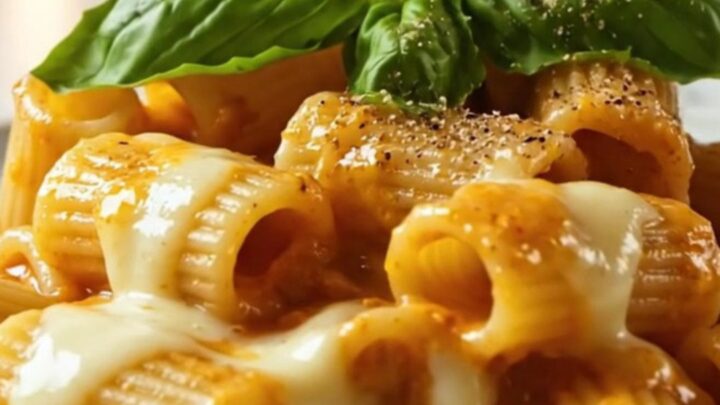
- Serve with basil and pepperSpoon the pasta into warm bowls. Top with the remaining fresh basil leaves and a generous grind of black pepper. Serve immediately while hot and creamy.Look for The pasta should be piping hot, with melted cheese pulling in long strands.Tip For extra richness, drizzle with a little more olive oil before serving.
The mozzarella should melt into silky strands, creating a creamy, glossy sauce. The basil will wilt slightly, adding a fresh aroma. The dish should look rich and inviting, with the cheese pulling in long strands when you lift a spoonful. Taste a piece of pasta to ensure it's tender and seasoned well. Serve immediately while hot and creamy.
Common mistakes
A common mistake is adding too much water at once, which can make the sauce watery. Start with 3 cups and add more only if needed. Another pitfall is not stirring the pasta often enough during simmering, which can cause it to stick to the bottom of the pan.
Stir every few minutes to keep it moving. Finally, be careful not to overcook the pasta—it should be al dente, not mushy. Keep an eye on it and taste as you go.
How to tell it’s done
The pasta is done when it is tender but still has a slight bite (al dente), and the sauce has thickened to a creamy consistency that coats the pasta. The mozzarella should be fully melted and the sauce glossy.
If the pasta is still firm and the liquid has been absorbed, add a splash more boiling water and continue cooking for a few minutes. Taste and season with salt and pepper as needed. The dish is ready when the pasta is tender and the sauce is rich and creamy.
Up next · Part 3 of 3
4 variations · storage & make-ahead · 5 answers · printable card
Tips, FAQ & printable recipe (Part 3)← Back to the ingredients (Part 1)