Dinner · Part 3 of 3: Tips & recipe card
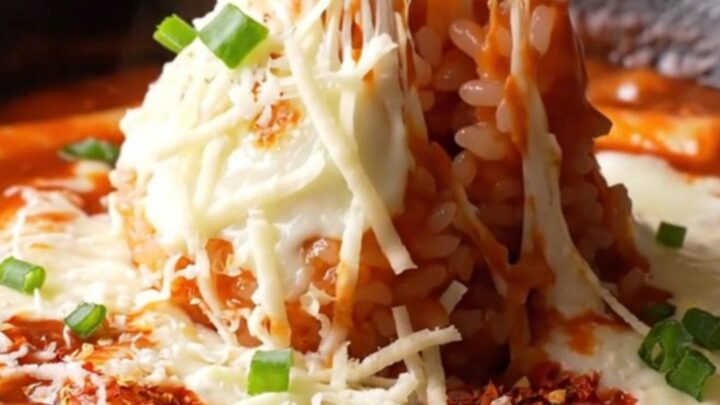
One-Pan Korean Cheesy Fire Tteokbokki: Spicy Rice Cakes with Mozzarella Tips, FAQ & printable recipe
- Prep
- Cook
- Total
- Serves
- 4
Tips for success
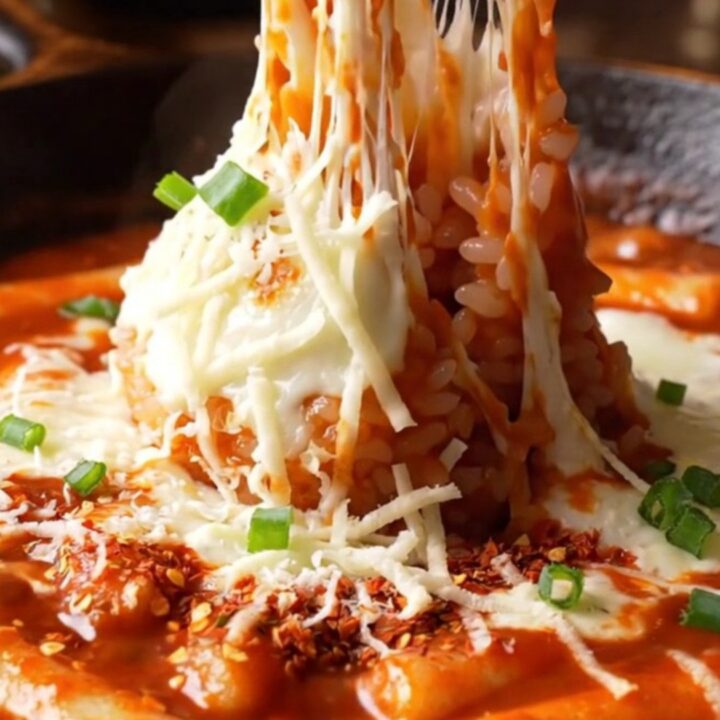
For the best cheese pull, use low-moisture mozzarella and shred it yourself from a block, as pre-shredded bags often contain anti-caking agents that inhibit melting. Let the cheese come to room temperature before adding it to the pan, so it melts more evenly.
When torching, keep the flame moving in a circular motion to avoid burning one spot. If using a broiler, place the pan on the top rack and watch closely—it can go from golden to burnt in seconds. The tteokbokki is best eaten fresh, but if you have leftovers, reheat gently on the stovetop with a splash of water to loosen the sauce.
The sauce’s heat level can be adjusted to taste. For a milder version, reduce the gochugaru to 1/2 tablespoon or omit it entirely, and use only gochujang. For more heat, add an extra teaspoon of gochugaru or a pinch of cayenne.
The sugar balances the spice, so don’t reduce it unless you prefer a more savory dish. If you want a deeper flavor, use dashi instead of water—the kombu and bonito add umami. You can also add a teaspoon of sesame oil at the end for a nutty finish, though the video doesn’t call for it.
Variations
- Seafood Tteokbokki: Add 1/2 cup of cleaned shrimp or squid during the last 3 minutes of simmering. Cook until the seafood is opaque and cooked through, ensuring it reaches 145°F (63°C).
- Vegetarian Version: Omit the fish cakes and use vegetable broth instead of dashi. Add extra mushrooms or tofu for substance. The sauce is naturally vegetarian if you use water.
- Extra Spicy: Increase gochugaru to 2 tablespoons and add 1 teaspoon of gochujang. For a fiery kick, stir in a few drops of Korean chili oil before serving.
- Cheese Blend: Use a mix of mozzarella and provolone or fontina for a more complex flavor. The video uses only mozzarella, but a blend adds nuttiness.
Storage and make-ahead
- Fridge
- Store leftover tteokbokki in an airtight container in the refrigerator for up to 3 days. Reheat gently with a splash of water.
- Freezer
- Freeze in a freezer-safe container for up to 2 months. Thaw overnight in the refrigerator before reheating.
- Reheat
- Reheat in a skillet over medium-low heat with a splash of water or broth, stirring until heated through. Avoid microwaving.
Leftover tteokbokki can be stored in an airtight container in the refrigerator for up to 3 days. The rice cakes will absorb more sauce and become softer, but they’ll still be delicious. To reheat, place the leftovers in a skillet with a splash of water or broth, cover, and warm over medium-low heat, stirring occasionally, until heated through. The cheese will melt again, though it may not stretch as much. Avoid microwaving, as it can make the rice cakes tough and the cheese rubbery.
You can prepare the sauce up to 2 days ahead: whisk together the gochujang, gochugaru, soy sauce, sugar, and water or dashi, and store in the refrigerator. When ready to cook, pour the sauce into the pan and bring to a boil before adding the rice cakes.
The rice cakes and fish cakes should be added fresh for the best texture. You can also slice the fish cakes and scallions in advance and keep them refrigerated. The cheese can be shredded ahead and stored in a zip-top bag. This makes the final cooking process quick and easy.
Serving ideas
Serve the tteokbokki hot, straight from the pan, as the cheese is most stretchy and the sauce is at its glossy best. Provide chopsticks and spoons for the sauce. The dish is traditionally eaten as a street snack, but it also works as a main course with a side of steamed rice to balance the heat. For a complete Korean meal, serve with pickled radish or a simple cucumber salad. The contrast of cool, crunchy vegetables against the fiery, cheesy tteokbokki is refreshing.
For a fun presentation, place the pan in the center of the table and let everyone pull their own cheese-laden rice cakes. The dramatic cheese pull is part of the experience. If you’re serving a crowd, you can double the recipe and use a larger pan.
Keep the tteokbokki warm over a low flame or on a hot plate, but be aware that the cheese will eventually set as it cools. For a less spicy version, serve with a dollop of sour cream or yogurt on the side—though the video doesn’t include that, it’s a common adaptation.
Frequently asked questions
Can this be made without gochujang?
Why do the rice cakes turn hard after cooling?
Can this be frozen?
What is the best way to get a long cheese pull?
Is this dish very spicy?
One-Pan Korean Cheesy Fire Tteokbokki: Spicy Rice Cakes with Mozzarella
Ingredients
- 14 oz Korean cylinder rice cakes (tteok)
- 2 sheets Korean fish cakes, sliced
- 2 cups dashi or water
- 3 tbsp gochujang paste
- 1 tbsp gochugaru flakes
- 1 tbsp soy sauce
- 1 tbsp sugar
- 1 1/2 cups shredded mozzarella cheese
- Sliced scallions, for garnish, to taste
Instructions
- In a large skillet or wide pan, combine the dashi or water, gochujang paste, gochugaru flakes, soy sauce, and sugar. Whisk over medium heat until the paste dissolves and the sauce comes to a bubbling boil. Continue to cook for 2–3 minutes, whisking occasionally, until the sauce is rich red and glossy.
- Add the rice cakes and sliced fish cakes to the bubbling sauce. Stir gently to coat every piece. Reduce the heat to medium-low, cover, and simmer for 7 minutes, stirring occasionally, until the rice cakes are soft and chewy and the sauce has thickened.
- Sprinkle the shredded mozzarella evenly over the tteokbokki. Cover the pan with a lid and let the cheese melt for 2–3 minutes over low heat, until the cheese is bubbly and molten.
- If using a kitchen torch, torch the melted cheese until it is bubbly and browned in spots. If not, place the pan under a broiler for 1–2 minutes, watching closely, until the cheese is charred and golden.
- Sprinkle with sliced scallions. Serve immediately while the cheese is still hot and stretchy. Use chopsticks to lift a rice cake and pull the cheese high for the classic tteokbokki experience.
Estimated nutrition per serving
- Calories
- 510
- Protein
- 18 g
- Carbohydrates
- 62 g
- Fat
- 21 g
Next recipe
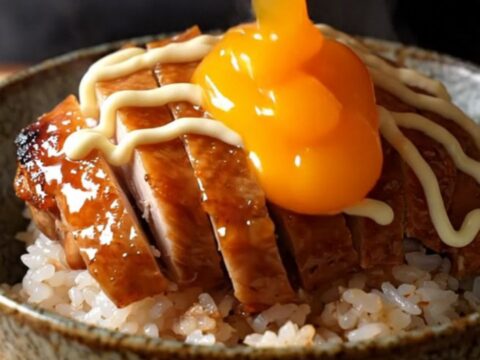
Crispy Japanese Teriyaki Chicken Rice Bowl with Onsen Egg & Kewpie
See the recipe → →This recipe is based on a short cooking video and is published under the pen name Clara Weller. It was checked before publication, but errors can slip through. Nutrition, when shown, is an estimate. Read more in our editorial policy and on our food safety page.
More recipes to try
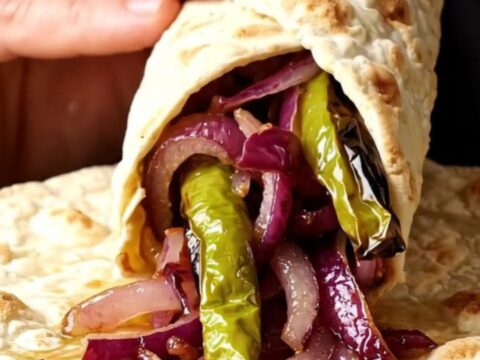
Turkish Lamb Shish Wraps with Sumac Onions
Total time: 45 min
Crispy Birria Quesatacos with Rich Consommé
Total time: 50 min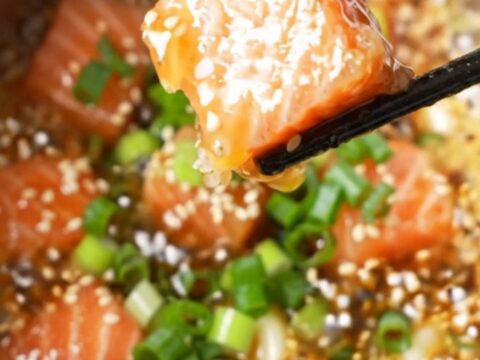
Crispy Air-Fried Sticky Honey Garlic Salmon Bites
Total time: 18 min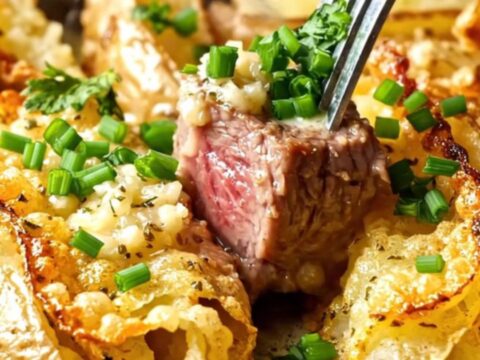
Garlic Butter Steak & Crispy Accordion Potatoes
Total time: 58 min
French Onion Smash Burger with Gruyère & Aioli
Total time: 50 min