Dinner · Part 1 of 3: Ingredients
One-Pan Karadeniz Mıhlama: Turkish Black Sea Cheese Fondue
- Prep
- Cook
- Total
- Serves
- 4
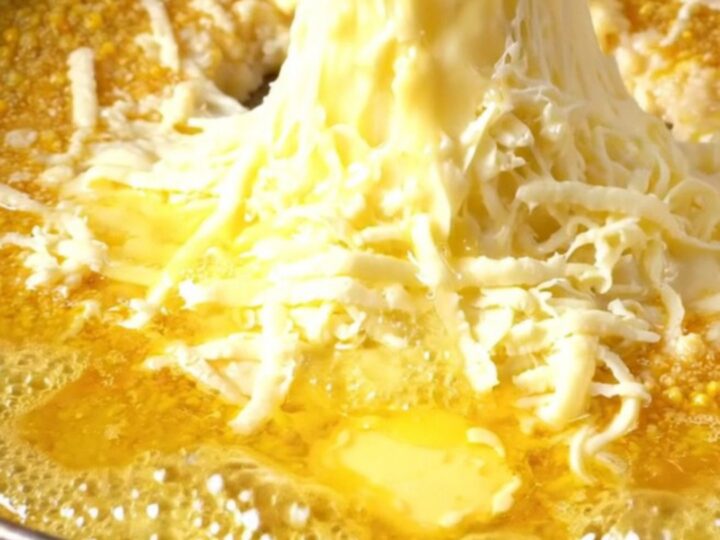
Imagine a dish that brings the rugged, misty coast of the Black Sea straight to your table: a sizzling copper pan of golden cornmeal, pooled with fragrant butter and blanketed with melted cheese that pulls into endless, glossy strands.
That’s Karadeniz Mıhlama—a beloved Turkish comfort food that’s equal parts rustic and indulgent. With just four simple ingredients and one pan, you can create a bubbling, cheese-laden masterpiece that begs to be scooped up with crusty bread.
Karadeniz Mıhlama, also known as kuymak, is a traditional dish from Turkey’s Black Sea region. It’s a fondue-style cornmeal and cheese melt that’s cooked in a copper pan and served bubbling hot. The magic lies in the simplicity: quality butter, stone-ground cornmeal, water, and a good melting cheese. The cornmeal is toasted in butter to release its nutty flavor, then simmered with water to create a smooth porridge.
A generous layer of cheese is added on top and left to melt without stirring, allowing the butter to rise and create a glossy, golden sheen. The dish is eaten by tearing off pieces of crusty bread and dipping them deep into the mixture, pulling up long, stretchy strands of cheese. It’s a communal, hands-on experience that’s both comforting and impressive.
Ingredients
- 3 tbsp Trabzon village butter or high-quality unsalted butter
- 3 tbsp stone-ground yellow cornmeal
- 200 ml boiling water
- 200 g Trabzon kolot cheese or aging string cheese / kaşar
- thick toasted village sourdough bread, for dipping, to taste
Why this recipe works
The technique of toasting the cornmeal in butter before adding water is the key to mıhlama’s deep, nutty flavor. The dry heat of the pan caramelizes the cornmeal’s natural sugars, creating a toasty, almost popcorn-like aroma that infuses the entire dish.
This step also helps the cornmeal cook more evenly, preventing a raw, gritty texture. The butter, especially a high-quality one like Trabzon village butter, adds richness and a silky mouthfeel that carries through the whole dish.
Letting the cheese melt undisturbed on top is what gives mıhlama its signature stretchy, layered texture. If you stir, the cheese blends into the cornmeal, creating a homogenous, less appealing mass. By leaving it alone, the cheese melts slowly, and the fat separates, rising to the surface as clear butter. This not only looks beautiful but also keeps the cheese creamy and elastic, perfect for pulling long strands when you dip your bread.
Notes and substitutions
The quality of the cheese is paramount. Traditional Trabzon kolot cheese is a semi-hard, salty cheese that melts beautifully. If you can’t find it, look for aging string cheese (like a good mozzarella string cheese) or a young kaşar cheese. These have the right melting properties and a mild, milky flavor. Avoid pre-shredded cheeses, as they often contain anti-caking agents that prevent smooth melting.
The pan matters too. A heavy copper pan is traditional, but any heavy-bottomed skillet will work—it distributes heat evenly and prevents scorching. The butter should be a high-fat, flavorful variety; European-style butters are a good substitute for Trabzon butter.
When toasting the cornmeal, keep stirring to avoid burning. The water must be boiling when added to ensure the cornmeal cooks quickly and evenly, giving you a smooth, creamy base.
- Trabzon village butter: High-quality unsalted butter with a rich, nutty flavor; use 3 tbsp (42 g) for the same richness.
- Trabzon kolot cheese: Aging string cheese (like mozzarella string cheese) or a young kaşar cheese; shred or tear into pieces.
- Stone-ground yellow cornmeal: Fine or medium cornmeal; avoid instant polenta as the texture will differ.
- Village sourdough bread: Any crusty artisan bread, such as ciabatta or a rustic country loaf; toast until golden.
Equipment
- Heavy copper pan or large skillet
- Wooden spoon or spatula
- Grater for cheese
- Measuring spoons
- Kettle or pot for boiling water
- Toaster or oven for bread
Up next · Part 2 of 3
4 steps · 15 min of cooking · what to look for at each stage
Step-by-step instructions (Part 2)