Dinner · Part 3 of 3: Tips & recipe card
One-Pan Garden Vegetable Tomato Tagliatelle Tips, FAQ & printable recipe
- Prep
- Cook
- Total
- Serves
- 4
Tips for success
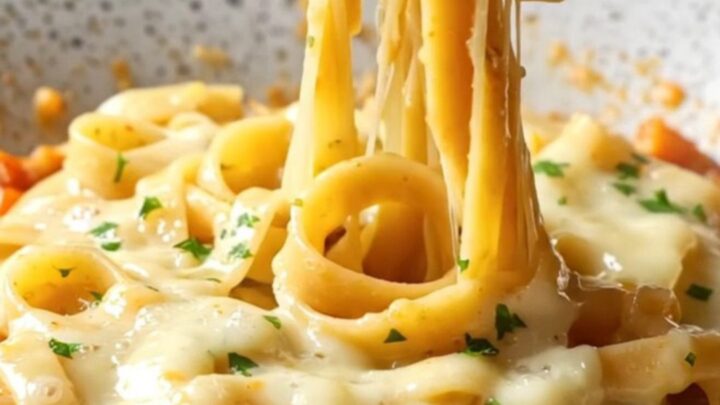
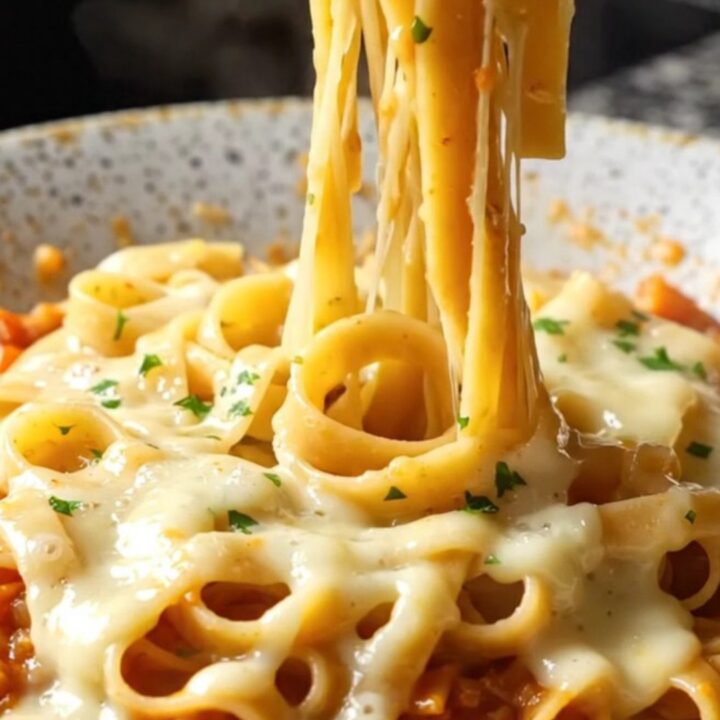
For the best cheese pull, use a high-quality mozzarella that melts well. Kashar mozzarella is ideal, but low-moisture mozzarella also stretches beautifully.
Shred the cheese yourself from a block rather than using pre-shredded, which often contains anti-caking agents that hinder melting. Let the cheese come to room temperature before adding it to the pan, so it melts more evenly and quickly.
To achieve the perfect pasta texture, cook the tagliatelle in the sauce until just al dente, then let it rest off the heat for a minute before serving. The residual heat will finish the cooking.
If the sauce becomes too thick, add a splash of hot water or pasta cooking water (if you have any) to loosen it. Taste and adjust the seasoning with salt and pepper just before serving, as the cheese adds saltiness.
Variations
- Spicy Arrabbiata: Add 1/2 teaspoon of red pepper flakes along with the paprika and cumin for a spicy kick. For extra heat, stir in a finely chopped fresh chili with the vegetables before steaming.
- Herb Garden: Add a handful of fresh basil or oregano leaves to the ragù just before serving. The fresh herbs brighten the dish and complement the tomato and vegetables.
- Creamy Version: Stir in 1/4 cup of heavy cream or crème fraîche after mashing the vegetables, before adding the pasta. This makes the sauce richer and silkier.
- Protein Boost: Add 1 cup of shredded cooked chicken or crumbled Italian sausage to the ragù with the pasta. This turns the dish into a heartier main course.
Storage and make-ahead
- Fridge
- Leftovers can be refrigerated in an airtight container for up to 3 days. Reheat gently with a splash of water or broth to loosen the sauce.
- Freezer
- The ragù (without pasta) can be frozen for up to 2 months. Thaw overnight in the refrigerator, then reheat and add freshly cooked pasta.
- Reheat
- Reheat leftovers in a skillet over medium-low heat with a splash of water, stirring until hot and bubbly.
Store leftover pasta in an airtight container in the refrigerator for up to 3 days. The sauce will thicken as it cools; add a splash of water or broth when reheating to restore a saucy consistency. Reheat gently in a skillet over medium-low heat, stirring occasionally, or in the microwave in 30-second bursts. The cheese will re-melt but may not be as stretchy as fresh.
The vegetable ragù can be made up to 2 days ahead. Prepare the recipe through step 4, then let it cool completely and refrigerate in an airtight container. When ready to serve, reheat the ragù in a wide skillet, add the tagliatelle and boiling water, and continue as directed. The pasta is best cooked fresh, so don't cook it ahead of time.
Serving ideas
Serve this tagliatelle immediately after the cheese melts, while it's hot and the cheese pull is at its peak. Twirl the pasta into neat nests using a large fork or tongs, and place them in shallow bowls.
Spoon extra ragù from the pan over the top, and finish with a sprinkle of fresh parsley and a crack of black pepper if desired. A simple green salad with a lemony vinaigrette balances the richness.
This is a complete meal on its own, but it also pairs well with crusty bread for sopping up the leftover sauce. For a heartier dinner, serve alongside grilled chicken or a simple roasted sausage.
The pasta is satisfying enough for a weeknight, yet elegant enough for a casual dinner party. Pair with a light red wine, such as a Chianti or Pinot Noir, to complement the tomato and spices.
Frequently asked questions
Can this recipe be made without a lid?
What if the sauce is too thin?
Is it necessary to peel the vegetables after steaming?
Can this be made gluten-free?
What can be used instead of kashar mozzarella?
One-Pan Garden Vegetable Tomato Tagliatelle
Ingredients
- 1 large ripe beefsteak tomato
- 1 whole green zucchini
- 1 whole slender eggplant
- 2 whole peeled onions
- 1/4 cup olive oil
- 1/2 cup water
- 1 tsp sweet paprika
- 1 tsp salt
- 1/2 tsp ground cumin
- 1/2 tsp black pepper
- 10 oz tagliatelle pasta
- 1 cup boiling water
- 1 1/2 cups shredded kashar mozzarella cheese
- 2 tbsp chopped fresh parsley
Instructions
- Place the whole tomato, zucchini, eggplant, and onions in a wide skillet with the olive oil and 1/2 cup water. Cover with a lid and bring to a simmer over medium heat. Steam for 12 minutes until the vegetables are fork-tender and the skins blister. Remove the lid and carefully peel away the blistered skins using culinary tweezers, discarding the skins.
- Add the sweet paprika, salt, ground cumin, and black pepper to the skillet. Use a potato masher to crush the soft vegetables into a thick, fragrant garden vegetable ragù. Mash until the mixture is mostly smooth but still has some texture from the vegetable pieces.
- Place the tagliatelle pasta ribbons directly into the sauce. Pour in the 1 cup of boiling water. Stir well to coat the pasta with the sauce. Bring the mixture to a simmer and cook, tossing frequently, until the pasta is al dente and most of the liquid has been absorbed, about 8 to 10 minutes.
- Continue simmering, tossing the pasta occasionally, until the sauce has thickened and evenly coats the tagliatelle. The ragù should be rich and glossy, not watery. If the pasta looks dry before it's cooked, add a few tablespoons of hot water at a time.
- Sprinkle the shredded kashar mozzarella cheese evenly over the pasta. Scatter the chopped fresh parsley on top. Cover the skillet with a lid and let it sit over low heat for 2 minutes, until the cheese is melted and bubbly.
- Lift a glossy pasta twirl with a fork, letting the cheese pull into long strands. Serve immediately in warm bowls, making sure each portion gets plenty of the cheesy ragù.
Estimated nutrition per serving
- Calories
- 520
- Protein
- 18 g
- Carbohydrates
- 65 g
- Fat
- 22 g
Next recipe
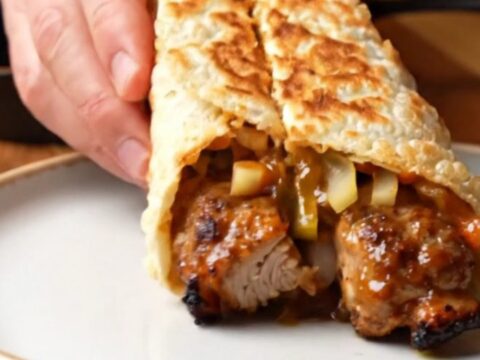
Crispy Chicken Kebab Wraps with Squeezed Onion
See the recipe → →This recipe is based on a short cooking video and is published under the pen name Clara Weller. It was checked before publication, but errors can slip through. Nutrition, when shown, is an estimate. Read more in our editorial policy and on our food safety page.
More recipes to try

Butter Chicken Garlic Bread with Mozzarella
Total time: 45 min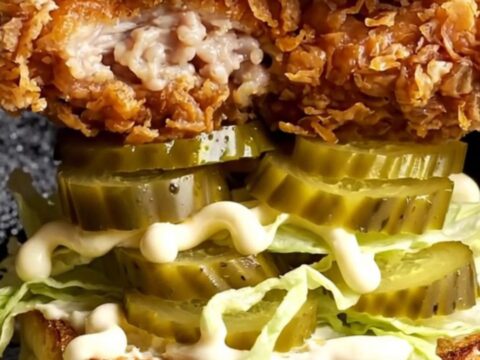
Ultimate Crispy Buttermilk Chicken Sandwich
Total time: 35 min
Loaded Baked Sweet Potatoes with Spiced Beef & Spinach
Total time: 1 h 9 min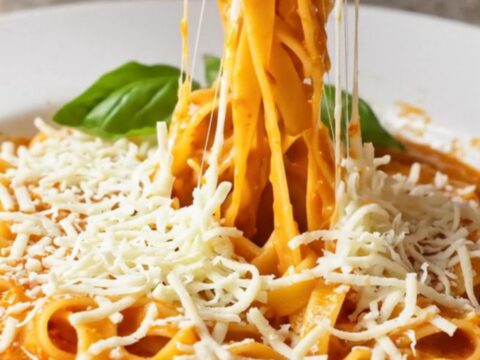
One-Pan Garden Vegetable Fettuccine with Melted Cheese
Total time: 40 min
Ultra Creamy Tomato Garlic Penne Pasta
Total time: 20 min