Dinner · Part 3 of 3: Tips & recipe card
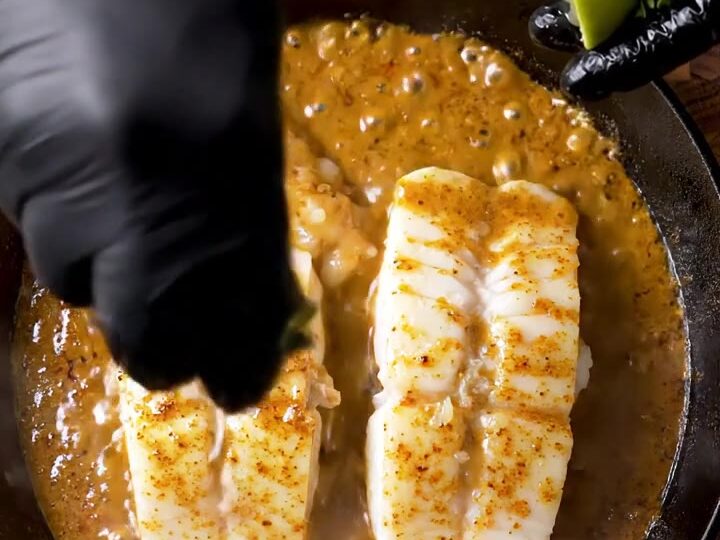
One-Pan Coconut Curry Halibut with Crisp Snap Peas Tips, FAQ & printable recipe
- Prep
- Cook
- Total
- Serves
- 4
Tips for success
For the best sear, make sure the fish is very dry before seasoning. Use a paper towel to pat it thoroughly.
A hot skillet is crucial; if the fish sizzles loudly when it hits the pan, you're on the right track. Don't crowd the pan—if your skillet is small, sear the fish in batches to avoid steaming.
Balance the heat of the red chilies to your preference. For a milder dish, seed the chilies or use only one. The fresh coconut adds a subtle sweetness that tempers the spice.
If you can't find fresh coconut, a splash of coconut milk in the sauce can enhance the flavor. Taste the sauce before serving and adjust salt or lime as needed.
Variations
- Use Shrimp or Scallops: Substitute shrimp or scallops for the halibut. Sear the shellfish briefly, then add the sauce and simmer until just cooked through. Adjust cooking time to avoid overcooking.
- Add Vegetables: Add sliced bell peppers, zucchini, or baby corn along with the snap peas. Increase the sauce slightly if needed to accommodate the extra vegetables.
- Make It Vegetarian: Omit the fish and use extra-firm tofu or chickpeas. Sear the tofu until golden, then proceed with the sauce and vegetables. Serve over rice for a hearty meal.
- Spice It Up: Add a tablespoon of Thai red curry paste to the sauce for extra heat and depth. Stir in a teaspoon of fish sauce or soy sauce for umami.
Storage and make-ahead
- Fridge
- Store leftovers in an airtight container in the refrigerator for up to 2 days.
- Freezer
- Freeze in a freezer-safe container for up to 1 month. Thaw overnight in the refrigerator before reheating.
- Reheat
- Reheat gently in a skillet over low heat with a splash of water or coconut milk, until warmed through.
Leftovers can be stored in an airtight container in the refrigerator for up to 2 days. The fish may flake more when reheated, but the flavor will remain delicious.
To reheat, place the curry in a skillet over low heat and add a splash of water or coconut milk to loosen the sauce. Gently warm until the fish is heated through, being careful not to overcook.
The snap peas can be trimmed and the chilies sliced up to a day in advance. The galangal and coconut can be grated and stored in the refrigerator in an airtight container.
The curry sauce can be made ahead and kept in the fridge for up to 3 days. When ready to cook, the dish comes together quickly.
Serving ideas
Serve the coconut curry halibut over steamed jasmine rice or with warm naan to soak up the sauce. A side of sautéed greens or a simple cucumber salad would round out the meal. Garnish with extra Thai basil and a lime wedge for a bright, fresh finish.
This dish is also delicious with rice noodles or quinoa. For a low-carb option, serve it over cauliflower rice or with additional vegetables. The curry is versatile, so feel free to add more vegetables like bell peppers or zucchini. The leftovers are excellent for lunch the next day.
Frequently asked questions
Can this recipe be made with frozen halibut?
What is the best substitute for galangal?
Can the curry sauce be made from scratch?
How do you know when the halibut is cooked through?
Can this dish be made ahead and reheated?
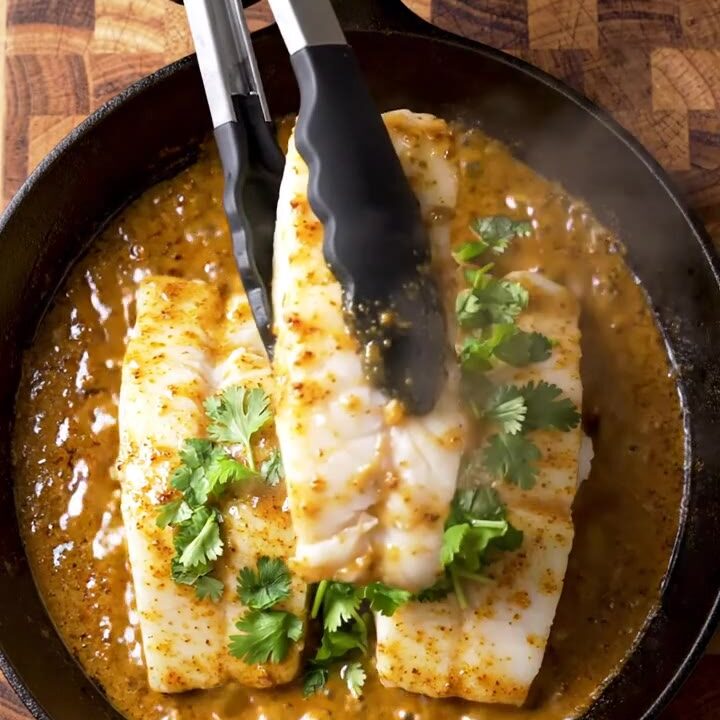
One-Pan Coconut Curry Halibut with Crisp Snap Peas
Ingredients
- 4 halibut fillets (6 oz each), skinless
- 8 oz sugar snap peas, trimmed
- 2 red chilies, thinly sliced (seeded if desired)
- 2 tbsp fresh galangal (or ginger), grated
- 1/2 cup fresh coconut block, grated
- 1 1/2 cups Thai coconut red curry sauce
- 1 lime, juiced
- 1/2 cup Thai basil leaves
- 1/2 cup cilantro leaves
- 2 tbsp neutral oil (such as grapeseed or canola)
- Kosher salt, to taste
Instructions
- Trim the sugar snap peas by snapping off the stem end and pulling the string along the seam. Thinly slice the red chilies, removing the seeds if less heat is desired. Grate the galangal and the fresh coconut block on the large holes of a box grater into a small bowl; set aside.
- Pat the halibut fillets dry with paper towels. Season both sides generously with kosher salt. Let sit at room temperature for 10 minutes while the skillet heats.
- Heat a large cast iron skillet over medium-high heat until very hot. Add the neutral oil and swirl to coat. Carefully place the halibut fillets in the skillet, presentation side down. Sear without moving for 3–4 minutes, until the underside is golden and releases easily. Flip and sear for 1 minute more.
- Pour the Thai coconut red curry sauce around the fish, not directly over the crust. Add the trimmed snap peas to the sauce in a single layer. Bring to a gentle simmer. Spoon some sauce over the fish, then cover and cook for 3–4 minutes, until the fish is opaque and flakes easily and the snap peas are crisp-tender.
- Remove the skillet from the heat. Squeeze the fresh lime juice over the fish and sauce. Scatter the Thai basil and cilantro leaves over the top. Let rest for 2 minutes to allow the flavors to meld.
- Using a spatula, lift each halibut fillet onto a plate or shallow bowl. Spoon the curry sauce and snap peas over the fish. Serve hot, with additional lime wedges if desired.
Estimated nutrition per serving
- Calories
- 420
- Protein
- 35 g
- Carbohydrates
- 18 g
- Fat
- 24 g
Next recipe
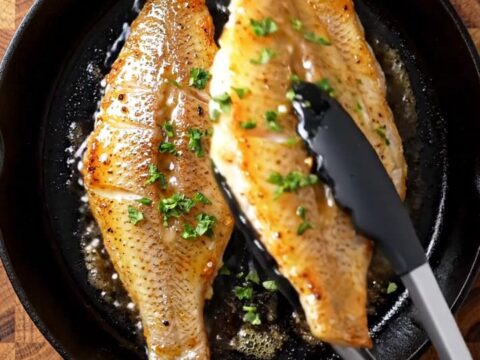
Crispy Skin Branzino with Mediterranean Lemon Herb Skillet
See the recipe → →This recipe is based on a short cooking video and is published under the pen name Clara Weller. It was checked before publication, but errors can slip through. Nutrition, when shown, is an estimate. Read more in our editorial policy and on our food safety page.
More recipes to try
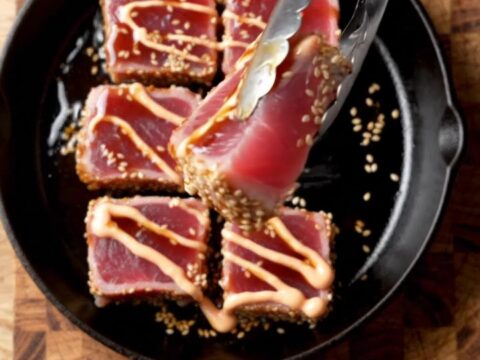
Sesame Crusted Ahi Tuna with Ginger Soy Glaze
Total time: 20 min
Crispy Eggplant Parm Stacks with Burrata and Basil Marinara
Total time: 45 min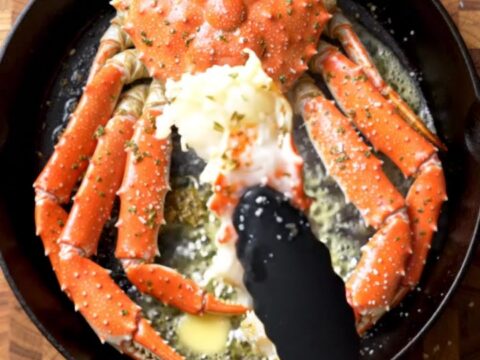
Garlic Butter King Crab Leg Skillet with Parmesan
Total time: 25 min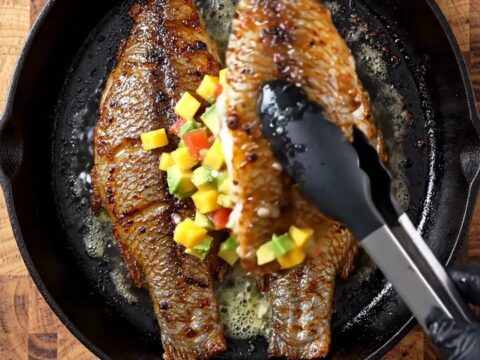
Blackened Red Snapper with Mango Avocado Salsa
Total time: 25 min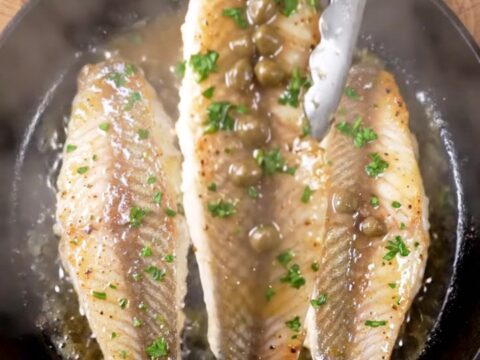
Chilean Sea Bass with Lemon Caper Brown Butter
Total time: 25 min