Desserts · Part 3 of 3: Tips & recipe card
No-Bake Pineapple Cream Dessert Tips, FAQ & printable recipe
- Prep
- Cook
- Total
- Serves
- 8
Tips for success
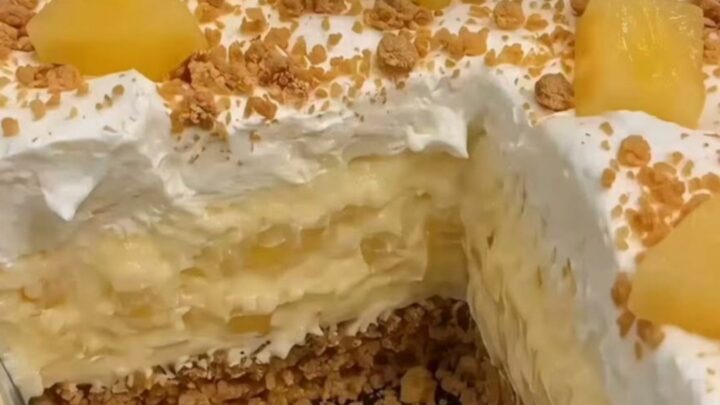
For cleaner slices, dip a long slicing knife into hot water and wipe it dry between cuts. This prevents the delicate cream topping from sticking or pulling against the blade, resulting in sharp, bakery-style squares.
If the first slice is difficult to lift, warm the bottom edges of the dish slightly with a warm towel.
To elevate presentation, save a handful of pineapple chunks and graham crumbs to sprinkle right before serving. This preserves an attractive contrast in color and crunch on top of the soft whipped surface.
Always return any remaining portions immediately to the refrigerator to preserve the structure of the whipped cream.
Variations
- Toasted Coconut Pineapple Cream: Fold 1/3 cup of toasted shredded coconut into the filling and sprinkle extra toasted flakes over the top alongside the pineapple chunks for tropical flavor.
- Citrus Zest Pineapple Cream: Stir one teaspoon of finely grated lime or lemon zest directly into the pineapple pudding before folding to add a bright, zesty contrast.
Storage and make-ahead
- Fridge
- Keep refrigerated at 40°F (4°C) or below in an airtight container for up to 3 days.
- Freezer
- Freezing is not recommended as the whipped cream and pudding separate and become watery upon thawing.
Store the dessert directly in its glass dish, covered tightly with plastic wrap or a secure lid, inside the refrigerator. It remains fresh and retains its best texture for up to three days. Keep the dish resting flat on an interior refrigerator shelf away from the door to maintain a stable, cold environment.
This recipe is an outstanding candidate for make-ahead planning because it requires ample resting time to firm up.
Prepare the crust and filling up to 24 hours in advance, assemble completely, and store chilled. Scatter fresh pineapple chunks on top just before service to keep the topping looking vibrant and fresh.
Serving ideas
Serve this dessert chilled, straight from the refrigerator to preserve its crisp crust and billowy cream layers. Dish it out onto small dessert plates using an offset spatula or serve family-style with a large serving spoon.
It provides a cool, palate-cleansing conclusion after rich dinners or alongside iced beverages on warm afternoons.
For individual presentations, the crust and cream layers can also be assembled directly inside small glass jars or ramekins. This single-serve approach highlights the visual stripes of the layers and eliminates the need for slicing, making it especially convenient for buffets or outdoor gatherings.
Frequently asked questions
Can fresh pineapple be used instead of canned?
Why is the dessert runny after chilling?
Can the graham cracker crust be baked?
No-Bake Pineapple Cream Dessert
Ingredients
- 1 1/2 cups graham cracker crumbs
- 6 tbsp unsalted butter, melted
- 1 cup crushed pineapple, drained
- 1 cup pineapple pudding
- 2 cups whipped cream
- 1/2 cup pineapple chunks
Instructions
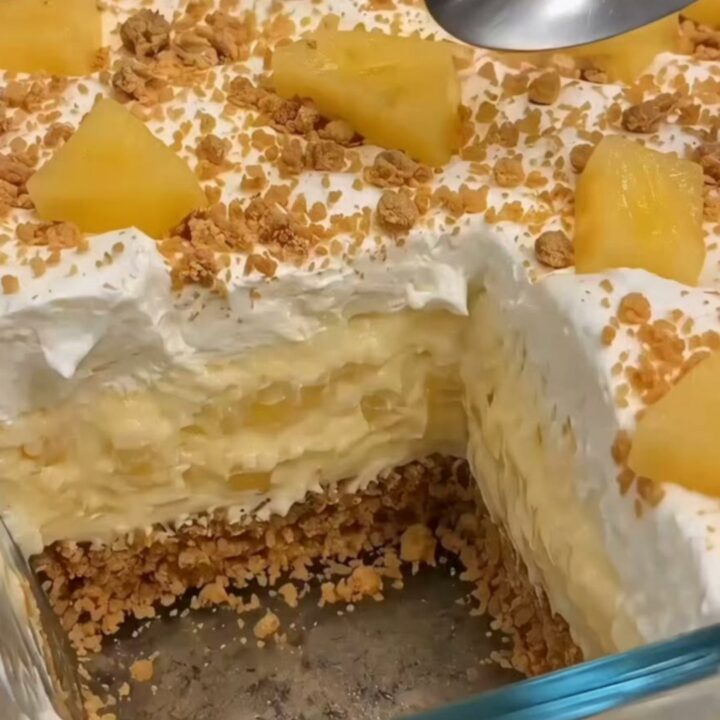
- Combine most of the graham cracker crumbs with the melted butter in a bowl, reserving two tablespoons of crumbs for the top. Stir until the mixture resembles wet sand. Press the buttered crumbs firmly into the bottom of an 8-inch glass baking dish to form an even, compact crust.
- In a mixing bowl, combine the pineapple pudding with the drained crushed pineapple. Gently fold in the whipped cream using a flexible spatula until fully incorporated, smooth, and light in texture.
- Spread the chilled pineapple cream mixture evenly over the graham crust in the glass baking dish. Scatter the reserved crushed crumbs and juicy pineapple chunks across the top. Refrigerate the dish for at least two hours to allow the dessert to set firmly before slicing.
Estimated nutrition per serving
- Calories
- 285
- Protein
- 3 g
- Carbohydrates
- 36 g
- Fat
- 15 g
- Fiber
- 1 g
- Sugar
- 24 g
- Sodium
- 190 mg
Next recipe
Classic New Orleans Bread Pudding with Bourbon Sauce
See the recipe → →This recipe is based on a short cooking video and is published under the pen name Clara Weller. It was checked before publication, but errors can slip through. Nutrition, when shown, is an estimate. Read more in our editorial policy and on our food safety page.
More recipes to try
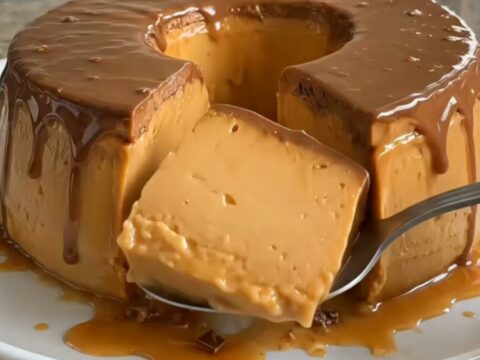
Decadent Caramel Chocolate Pudding Ring
Total time: 4 h 5 min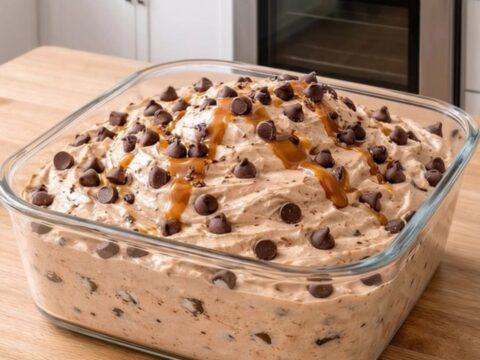
Easy No-Bake Peanut Butter Fluff for a Quick Sweet Treat
Total time: 10 min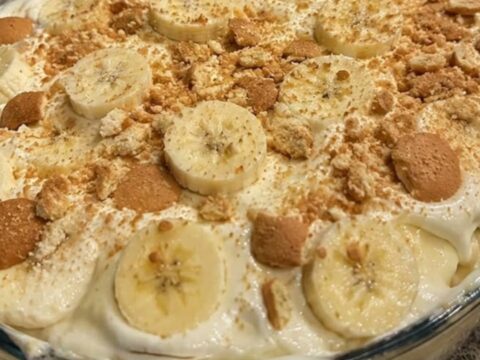
Classic Southern Banana Pudding with Vanilla Wafers
Total time: 2 h 35 min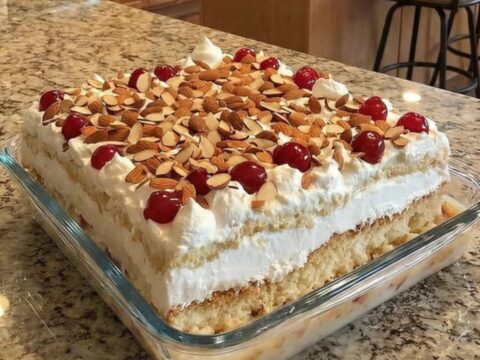
Heaven on Earth Cake: An Easy No-Bake Layered Dessert
Total time: 2 h 20 min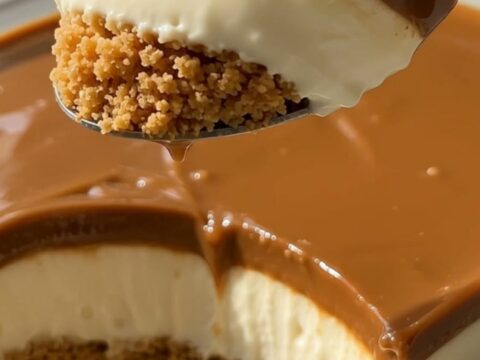
Creamy Caramel Cheesecake with Graham Cracker Crust
Total time: 4 h 20 min