Breakfast · Part 3 of 3: Tips & recipe card
Muffin-Style Chocolate Poğaça with Molten Center Tips, FAQ & printable recipe

- Prep
- Cook
- Total
- Serves
- 12
Tips for success
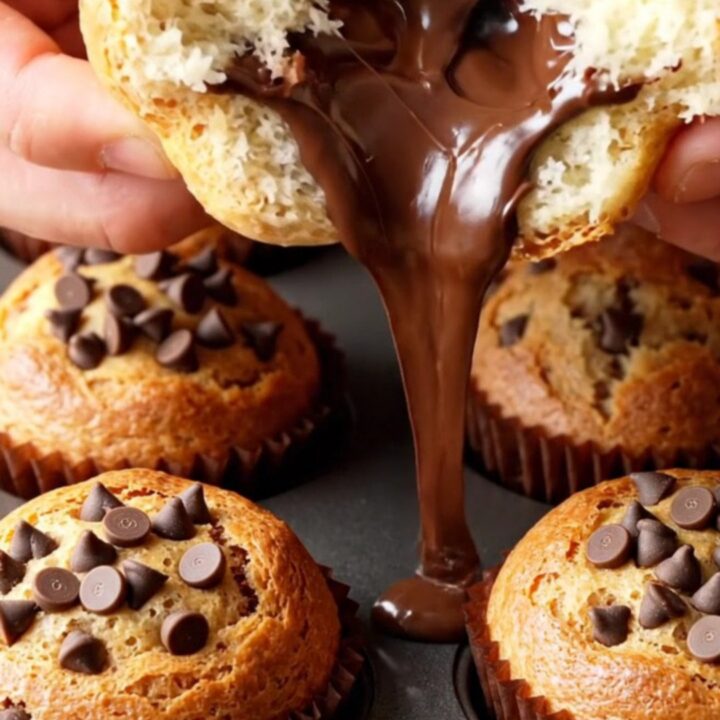
For the best molten center, serve the poğaça warm, within 15 minutes of baking. If they cool completely, the chocolate will set but can be reheated briefly in the microwave or oven.
To reheat, place them in a 300°F (150°C) oven for 5 minutes or microwave for 15 seconds. The bread is also delicious at room temperature, with the chocolate filling becoming a creamy spread.
When shaping the dough, keep your hands lightly oiled or floured to prevent sticking. If the dough becomes too sticky to handle, refrigerate it for 10 minutes to firm up.
For an extra shiny top, brush the poğaça with a little beaten egg before baking (adds an egg wash, but the video doesn't show it—so skip that). Instead, you can brush with a little milk for a softer crust.
Variations
- White Chocolate Raspberry: Replace the chocolate hazelnut cream with white chocolate ganache and add a few fresh raspberries inside each ball. The tartness of the berries balances the sweetness of the white chocolate.
- Peanut Butter Filling: Swap the chocolate hazelnut cream for a spoonful of peanut butter. For extra richness, use chocolate chips in the dough and press a few peanuts on top before baking.
- Orange Zest Twist: Add the zest of one orange to the dough along with the cocoa powder. Use a dark chocolate orange spread as the filling for a bright, citrusy flavor.
- Cinnamon Sugar Coating: After baking, brush the warm poğaça with melted butter and roll them in a mixture of cinnamon and sugar for a crunchy, sweet coating.
Storage and make-ahead
- Fridge
- Store in an airtight container in the refrigerator for up to 5 days. Reheat in a 300°F oven for 5-7 minutes or microwave for 15-20 seconds.
- Freezer
- Freeze baked and cooled poğaça in a single layer in a freezer bag for up to 2 months. Thaw at room temperature and reheat in a 300°F oven for 5 minutes.
- Reheat
- Reheat in a 300°F oven for 5-7 minutes or microwave for 15-20 seconds until warm and the chocolate is molten again.
Store leftover poğaça in an airtight container at room temperature for up to 2 days. The bread will soften slightly, but the chocolate will remain delicious. To keep them longer, refrigerate for up to 5 days, but bring to room temperature or reheat before serving to restore the soft texture.
The dough can be prepared up to the shaping step and refrigerated overnight. After shaping the balls and placing them in the muffin tin, cover tightly with plastic wrap and refrigerate. The next day, let them come to room temperature for 30 minutes before baking. You may need to add a few extra minutes to the baking time if they are still cold.
Serving ideas
Serve these muffin-style chocolate poğaça warm, straight from the oven, when the chocolate center is at its most luscious. They are wonderful for breakfast alongside a cup of coffee or tea.
The contrast of the soft, slightly sweet bread and the rich, molten filling is a treat that feels special but is simple enough for a weekday morning. They also make a lovely addition to a brunch spread or an afternoon snack.
For a more indulgent presentation, dust the tops with powdered sugar just before serving (though the video doesn't show this, so it's optional).
You can also serve them with a dollop of whipped cream or a scoop of vanilla ice cream for dessert. The poğaça are best enjoyed fresh, but they can be made ahead and reheated, making them versatile for entertaining.
Frequently asked questions
Can this recipe be made without eggs?
Why did the chocolate filling leak out during baking?
Can the dough be made in a bread machine?
What is the best way to reheat these poğaça?
Can these be made gluten-free?
Muffin-Style Chocolate Poğaça with Molten Center
Ingredients
- 1 1/2 cups warm milk (300 ml)
- 1/2 cup vegetable oil (100 ml)
- 4 tbsp sugar
- 1 tsp salt
- 1 packet active dry yeast (11 g)
- 1 large egg
- 4 cups all-purpose flour
- 2 tbsp unsweetened cocoa powder
- 1 1/2 cups chocolate chips
- 1 tbsp chocolate hazelnut cream per roll
Instructions
- In a large bowl, whisk together the warm milk, vegetable oil, sugar, salt, yeast, and the egg until the yeast dissolves and the mixture is smooth. The milk should be warm but not hot—about 105°F (40°C)—to activate the yeast without killing it.
- Add the all-purpose flour and cocoa powder to the wet mixture. Stir with a wooden spoon until a soft, sticky dough forms. Then fold in 1 cup of the chocolate chips, reserving the rest for topping. Knead the dough in the bowl for 2–3 minutes until the chocolate chips are evenly distributed and the dough is smooth and elastic.
- Cover the bowl with a clean kitchen towel and let the dough proof in a warm, draft-free spot for 30 minutes, or until it has noticeably increased in size and feels puffy when pressed.
- Punch down the dough to release the air. Divide it into 12 equal pieces. Roll each piece into a smooth ball, then flatten it into a disc about 3 inches wide. Place 1 tablespoon of chocolate hazelnut cream in the center of each disc.
- Carefully fold the edges of the dough over the filling and pinch the seams to seal completely. Roll the stuffed ball gently between your palms to smooth the surface. Place each ball seam-side down into a paper-lined muffin tin cup.
- Press the remaining 1/2 cup chocolate chips onto the top of each dough ball, gently pushing them into the surface so they stick.
- Preheat the oven to 350°F (175°C). Bake the muffin poğaça for 22 minutes, or until the tops are golden brown and a toothpick inserted into the bread (not the filling) comes out clean. The internal temperature of the dough should reach 190°F (88°C) for a fully baked bread.
- Remove the muffin tin from the oven and let it cool on a wire rack for 5 minutes. Then carefully lift the poğaça out of the tin using the paper liners. Serve warm to enjoy the molten chocolate center.
Estimated nutrition per serving
- Calories
- 380
- Protein
- 7 g
- Carbohydrates
- 52 g
- Fat
- 16 g
Next recipe

Pillowy Two-Tone Swirl Poğaça with Molten Chocolate
See the recipe → →This recipe is based on a short cooking video and is published under the pen name Clara Weller. It was checked before publication, but errors can slip through. Nutrition, when shown, is an estimate. Read more in our editorial policy and on our food safety page.
More recipes to try

Sucuk & Kashar Pancake Wedges (1 Cup Warm Milk Viral Recipe)
Total time: 18 min
Sausage & Cheese XXL Savory Pancake
Total time: 50 min
Turkish Sheet Pan Savory Breakfast Pizza Cake
Total time: 45 min
Crispy Warm Katmer: Flaky Buttery Flatbread
Total time: 1 h 40 min
One-Pan Baby Spinach Skillet Eggs with Blistered Tomatoes
Total time: 15 min