Desserts · Part 3 of 3: Tips & recipe card
Molten Dark Chocolate Espresso Basque Cheesecake Tips, FAQ & printable recipe
- Prep
- Cook
- Total
- Serves
- 10
Tips for success
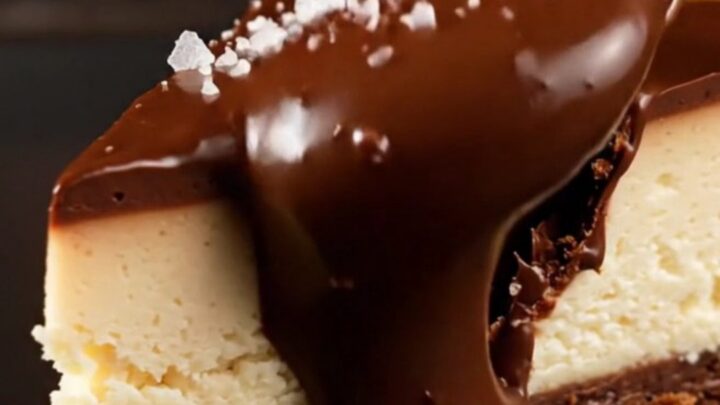
For the most dramatic molten center, serve the cheesecake warm, about 15-20 minutes after baking. If you prefer a firmer texture, let it cool completely to room temperature, then refrigerate for at least 4 hours. The center will become mousse-like rather than liquid. To reheat individual slices, microwave for 15-20 seconds to bring back the molten quality.
When slicing, use a sharp knife and wipe it clean between cuts to get neat, clean edges. For a truly indulgent presentation, serve with a dollop of lightly whipped cream or a scoop of vanilla ice cream.
The cool creaminess contrasts beautifully with the warm, intense chocolate. If you have leftover cheesecake, store it in the refrigerator; the center will firm up but still taste delicious.
Variations
- Milk Chocolate Version: Swap the 70% dark chocolate for a high-quality milk chocolate (around 40% cacao). The result will be sweeter and less intense, with a creamier molten center. Reduce the sugar to 150 g to balance the sweetness.
- Add Orange Zest: Stir the zest of one orange into the batter along with the chocolate mixture. The citrus brightens the chocolate and adds a fragrant aroma. Omit the espresso if you prefer a purer orange-chocolate flavor.
- Spiced Chocolate: Add 1 teaspoon of ground cinnamon and a pinch of cayenne pepper to the dry ingredients. The warmth of the spices complements the dark chocolate and espresso, giving the cheesecake a subtle kick.
- Nutty Crunch: Sprinkle 1/2 cup of toasted hazelnuts or almonds over the top before baking. The nuts will toast in the oven, adding a crunchy texture that contrasts with the molten center. Ensure the nuts are finely chopped to avoid interfering with slicing.
Storage and make-ahead
- Fridge
- Store in an airtight container in the refrigerator for up to 5 days. Bring to room temperature before serving for best texture.
- Freezer
- Freeze the cooled cheesecake, wrapped tightly in plastic wrap and foil, for up to 3 months. Thaw overnight in the refrigerator before serving.
- Reheat
- Reheat individual slices in the microwave for 15-20 seconds to restore the molten center. Alternatively, warm in a 300°F (150°C) oven for 5-10 minutes.
Store leftover cheesecake in an airtight container in the refrigerator for up to 5 days. The center will set to a mousse-like consistency.
To serve, let it come to room temperature for 30 minutes, or microwave individual slices for 15-20 seconds to restore the molten texture. For longer storage, freeze the cheesecake (without the salt topping) for up to 3 months.
This cheesecake can be made ahead and stored in the refrigerator for up to 2 days before serving. Prepare and bake as directed, then let it cool completely, cover, and refrigerate.
To serve, bring to room temperature for 30 minutes, then warm individual slices in the microwave for 15-20 seconds. The molten center will not be as liquid after refrigeration, but the texture will still be luxurious.
Serving ideas
Serve this cheesecake warm, ideally within 30 minutes of baking, to showcase the molten center. Slice into 10 wedges and sprinkle with a little extra flaky sea salt just before serving.
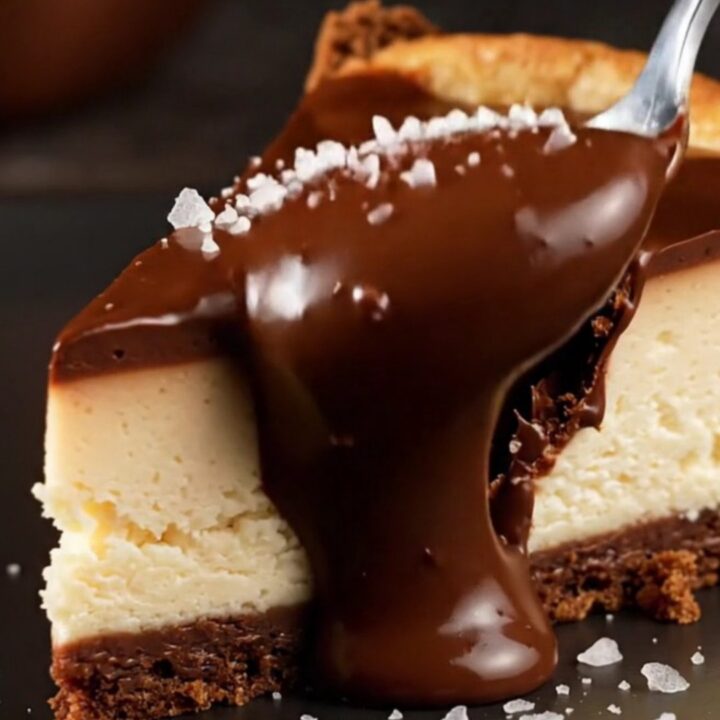
The contrast between the crackly, bitter top and the smooth, liquid center is the highlight. Pair with a small cup of espresso or a glass of cold milk to balance the richness.
For a more composed dessert, serve each slice with a quenelle of crème fraîche or a scoop of vanilla bean ice cream. The cold, tangy cream cuts through the intense chocolate. You can also drizzle with a little extra espresso or a raspberry coulis for a fruity contrast. This cheesecake is rich, so small portions are satisfying.
Frequently asked questions
Why is the center still liquid after baking?
Can this cheesecake be made gluten-free?
How should the cheesecake be stored?
Can this recipe be made without espresso?
Why does the top crack?
Molten Dark Chocolate Espresso Basque Cheesecake
Ingredients
- 250 g 70% dark chocolate, chopped
- 30 ml hot espresso
- 650 g cream cheese, at room temperature
- 200 g granulated sugar
- 4 large eggs, at room temperature
- 300 ml heavy cream
- Flaky sea salt, for sprinkling, to taste
Instructions
- Heat the oven to 450°F (230°C). Line a 9-inch springform pan with a large sheet of parchment paper, pressing it into the corners and letting the edges overhang. Place the chopped dark chocolate in a heatproof bowl. Pour the hot espresso over the chocolate and let stand for 1 minute, then stir until smooth and glossy. If needed, melt gently over a double boiler, stirring constantly.
- In a large bowl, beat the cream cheese and sugar together until smooth and creamy, scraping down the sides as needed. Add the eggs one at a time, beating well after each addition. With the mixer on low, gradually pour in the heavy cream and the melted chocolate-espresso mixture, mixing just until combined. Do not overmix.
- Pour the batter into the prepared pan. Smooth the top with a spatula. Bake in the preheated oven for 25 minutes, until the edges are puffed and deeply browned, and the center is still set but slightly wobbly when the pan is gently shaken. The center should remain molten.
- Remove the cheesecake from the oven and let it cool in the pan on a wire rack for 15 minutes. The residual heat will continue to set the edges while the center stays molten. After cooling, carefully lift the cheesecake out using the parchment paper. Transfer to a serving plate.
- Sprinkle the flaky sea salt over the top of the cheesecake. Slice with a sharp knife, wiping the blade between cuts for clean edges. Serve warm to showcase the liquid fudge center, or at room temperature for a slightly firmer texture.
Estimated nutrition per serving
- Calories
- 520
- Protein
- 9 g
- Carbohydrates
- 35 g
- Fat
- 38 g
Next recipe
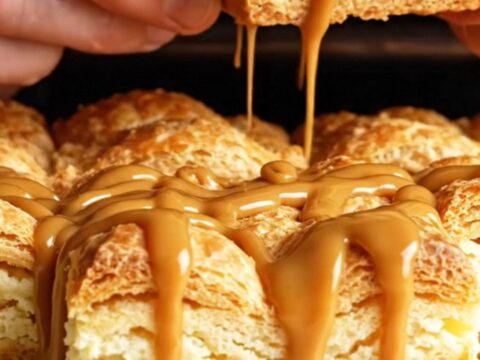
Crispy Cinnamon Churro Cheesecake Squares
See the recipe → →This recipe is based on a short cooking video and is published under the pen name Clara Weller. It was checked before publication, but errors can slip through. Nutrition, when shown, is an estimate. Read more in our editorial policy and on our food safety page.
More recipes to try
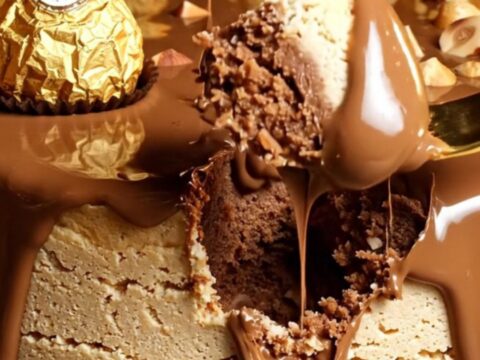
Nutella Ferrero Rocher Cheesecake: Decadent No-Bake-Style Treat
Total time: 2 h 10 min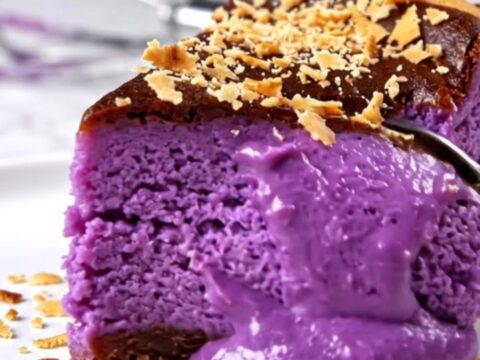
Creamy Ube Basque Cheesecake with Caramelized Crust
Total time: 1 h 42 min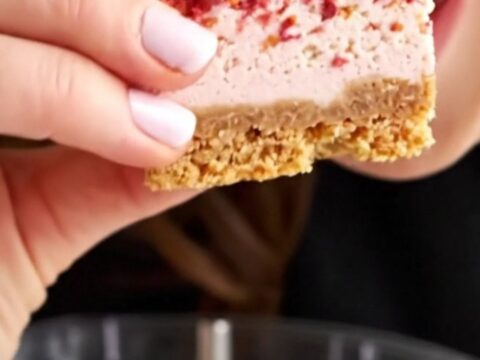
Strawberry Crunch Cheesecake Bars with Golden Cookie Crust
Total time: 5 h 15 min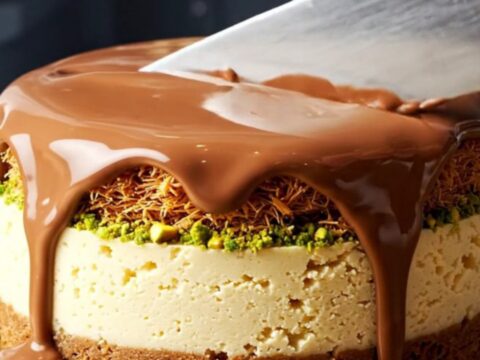
Crispy Dubai Pistachio Kunafa Cheesecake
Total time: 4 h 40 min
Classic New York Cheesecake with Strawberry Compote
Total time: 4 h 35 min