Dinner · Part 2 of 3: Instructions
Miso Butter Seared Halibut with Shiitake and Bok Choy in One Pan Step-by-step instructions
- Prep
- Cook
- Total
- Serves
- 2
Before you start
Gather everything before you turn on the heat, because the cooking moves quickly once the butter is in the pan. Take the halibut out of the refrigerator only when you are ready to start, and keep it out for no more than 30 minutes before cooking. Pat the fillets dry with paper towels, make the diagonal cuts across the flesh, and season both sides with salt and pepper.
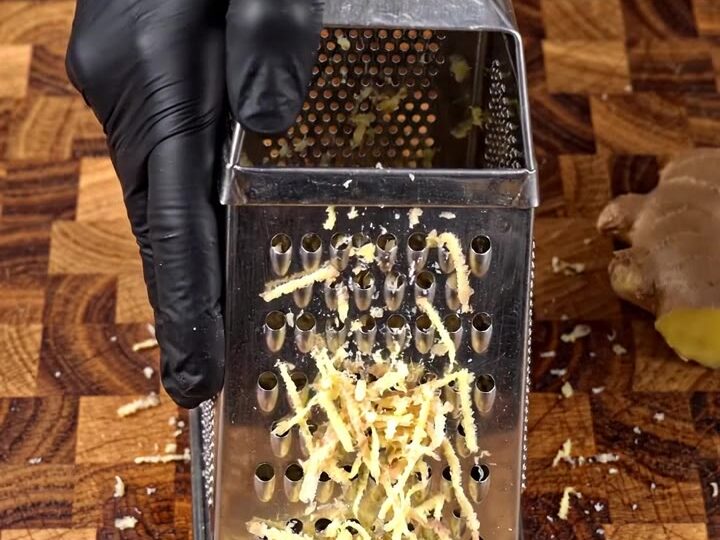
Trim the shiitake stems, halve the bok choy lengthwise and rinse it well, then drain or pat it dry. Grate the garlic on the fine side of a microplane so it falls in shreds. Measure the miso and butter into small dishes, slice the scallions and have the sesame seeds toasted and ready. Set out tongs, a spatula and two warm plates so the fish moves from pan to plate without delay.
Ingredients at a glance (10)
- 2 halibut fillets, about 6 oz each, thick cut
- kosher salt, to taste
- freshly ground black pepper, to taste
- 6 fresh shiitake mushrooms, stems removed
- 2 baby bok choy, halved lengthwise
- 3 tbsp unsalted butter
- 3 cloves fresh garlic, finely grated
- 1 tbsp white miso paste
- 2 scallions, thinly sliced
- 1 tsp toasted sesame seeds
Instructions
Build the butter base and sear the fish
- Score and season the halibutPat the halibut fillets dry with paper towels. Make shallow diagonal cuts across the flesh, about a quarter inch deep, without cutting through. Season both sides with kosher salt and black pepper. Keep the fish refrigerated until the pan is ready.Look for Flesh looks lightly scored and the surface is dry to the touch.Tip Dry fillets sear faster and develop a better golden crust.
- Prep the mushrooms, bok choy and garlicTrim the shiitake stems and leave the caps whole. Halve the bok choy lengthwise and rinse off any grit, then pat dry. Grate the garlic on a fine microplane so it falls into fine shreds onto the board.Look for Garlic is grated to a fine, almost pulpy texture.Tip Grated garlic melts into the sauce instead of burning in chunks.
At the end of this phase the butter should be fully foamed and nutty brown, and the halibut should have a deep golden crust on the scored side. The fish edges should look opaque and the mushrooms should be starting to soften and brown.
Check that the fillets release easily from the pan before you move on. If they stick, give them another 30 seconds, since a proper crust lifts off on its own. Smell for toasty, nutty notes from the butter, which signal the sauce base is ready for the miso and garlic.
Baste, add garlic and miso
- Melt the butter until it foamsSet a cast-iron skillet over medium-high heat. Add the butter and let it melt, then foam and bubble. Keep an eye on it so the milk solids turn nut brown but do not scorch.Look for Butter foams vigorously and smells nutty.Tip Use a heavy skillet so the heat stays even under the fish.
- Sear the halibut and mushroomsLay the seasoned halibut in the hot butter, scored side down, along with the shiitake caps and bok choy halves. Let them sear without moving for about 4 minutes, until the bottoms turn golden.Look for Fish edges turn opaque and the bottoms show a deep golden crust.Tip Resist moving the fish so the crust can form.
- Baste with garlic miso butterTilt the pan slightly and spoon the bubbling butter over the fish. Stir the grated garlic and miso into the pooled butter until smooth. Keep spooning the glossy sauce over the halibut for about 3 minutes.Look for Sauce looks glossy and smooth with no clumps of miso.Tip Tilting the pan pools the butter so basting is easy.
- Cook the fish through and caramelizeCook until the halibut is opaque all the way through and the mushrooms are caramelized at the edges. The fish is done when it reaches 145°F (63°C) at the thickest part. Lift the fillets with tongs and transfer to a plate.Look for Fish flakes easily and the mushrooms look browned and sticky.Safe temperature 145°F (63°C) internal temperature (fish)Tip An instant-read thermometer confirms the fish is safe.
At the end of this phase the miso and grated garlic should be fully blended into the bubbling butter, forming a smooth, glossy sauce with no clumps. The fish should be opaque up the sides and golden underneath. Spoon the sauce over the top of each fillet and check that the mushrooms are caramelized at the edges. Lower the heat slightly if the butter starts to darken too quickly. Verify the sauce is still bubbling gently and not smoking before you finish cooking the fish through.
Finish the fish and plate
- Plate with the pan sauceSpoon the miso butter sauce and caramelized shiitake and bok choy onto two plates. Place each halibut fillet over the sauce, then finish with sliced scallions and toasted sesame seeds.Look for Plated fish sits on a glossy sauce with bright green scallion.Tip Spoon extra pan sauce over the fish just before serving.
- Serve right awayServe the halibut immediately while the fish is still warm and the sauce is glossy. Spoon any remaining butter from the skillet over the top for extra shine before the plates leave the table.Look for Fish stays moist and flakes apart with a fork.Tip Fish holds its texture best when served within minutes.
At the end of this phase the halibut should be opaque all the way through and flake easily when pressed with a fork. The thickest part should read 145°F (63°C) on an instant-read thermometer. The sauce should be glossy and the mushrooms and bok choy should be tender and caramelized. Lift each fillet with tongs, place it on a warm plate over the sauce and scatter the scallions and sesame seeds. Check that the fish is still moist and warm before serving, because it continues to firm up as it rests.
Common mistakes
The most common mistake is cooking the fish over heat that is too low, which steams the halibut instead of searing it and leaves the sauce thin. Another frequent problem is moving the fillets too early. The crust needs a few uninterrupted minutes to form, so resist the urge to nudge them. Butter that burns, turns black or smells acrid means the heat is too high, and the sauce will taste bitter.
Lower the heat and start again with fresh butter if that happens. Do not skip the basting, because it is what cooks the top of the fish and builds the sauce. Finally, avoid overcooking: halibut dries out quickly once it passes the point of flaking, so take it off the heat as soon as it reaches the safe temperature.
How to tell it’s done
Halibut is done when the flesh turns opaque all the way through and separates into flakes when gently pressed with a fork. For a safe result, check the thickest part with an instant-read thermometer: it should reach 145°F (63°C). The edges should look golden and crisp at the bottom, and the top should be just opaque.
The shiitake should look caramelized and the bok choy tender. If the center still looks translucent, return the fish to the sauce for another minute and check again. Once the fish reaches temperature, lift it out promptly, because residual heat will keep cooking it for a short time.
- Fish: 145°F (63°C) in the thickest part
Up next · Part 3 of 3
4 variations · storage & make-ahead · 5 answers · printable card
Tips, FAQ & printable recipe (Part 3)← Back to the ingredients (Part 1)