Dinner · Part 2 of 3: Instructions
Miso Butter Halibut Skillet with Shiitake and Bok Choy Step-by-step instructions
- Prep
- Cook
- Total
- Serves
- 2
Before you start
Start by taking the halibut out of the refrigerator only a few minutes before you cook, and never leave raw fish at room temperature for more than 30 minutes. Pat each fillet dry with paper towels, then season both sides with kosher salt and black pepper. Slice the shiitake caps into even slices about 1/4 inch thick, discarding the tough stems.
Halve the baby bok choy lengthwise, slice the stems and separate the leaves so they cook at the same pace. Soften the butter for the miso butter, mix in the white miso, and keep it nearby with the rest of the butter. Set out your fish spatula, spoon and a plate or platter so you can plate quickly once the fish is done. Having everything prepped and within reach keeps the pan from cooling down while you work.
Ingredients at a glance (10)
- 2 thick Pacific halibut fillets (about 6 oz each)
- 6 oz fresh shiitake mushrooms, stems removed and caps sliced
- 2 heads baby bok choy, halved lengthwise and leaves separated
- 3 tbsp unsalted butter, divided
- 1 tbsp miso butter (white miso blended with softened butter)
- kosher salt, to taste
- freshly ground black pepper, to taste
- 2 green onions, thinly sliced, for serving
- 1 tbsp toasted sesame seeds, for serving
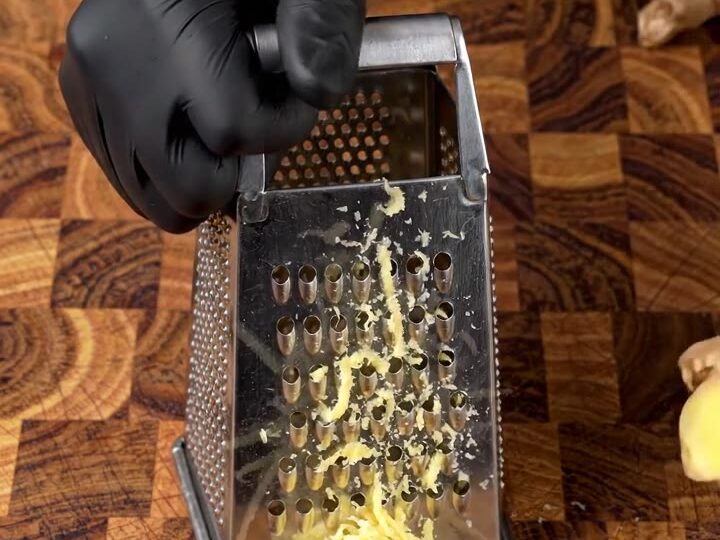
- pale yellow cheese, finely grated, for serving (optional)
Instructions
Fish seared and basted
- Prepare the fish and vegetablesPat the halibut fillets dry and season both sides with kosher salt and black pepper. Slice the shiitake caps, trim and slice the bok choy, and separate the leaves. Keep the fish refrigerated until the pan is hot.Look for The fish feels dry to the touch and the vegetables are cut and ready beside the board.Tip Dry fish sears better and browns faster, so blot the surface well with paper towels.
- Melt the butter in the skilletSet the cast iron skillet over medium-high heat and add a generous pat of butter, about 1 tbsp. Wait until it melts and foams slightly, then lay the seasoned halibut fillets in the pan, skin side down if the skin is on.Look for The butter foams and turns pale gold, and the fish sizzles on contact.Tip Do not crowd the pan; leave space between the fillets and the mushrooms.
At the end of the first phase the halibut edges should be golden and the flesh should be turning opaque from the outside in. The butter should smell nutty and the mushrooms should begin to color around their edges. Check that the fish releases easily from the pan with a gentle nudge of the spatula. If it sticks, wait another minute before lifting, because fish that is ready will release on its own. Keep basting so the top of each fillet cooks evenly and the pan stays glossy and fragrant throughout.
Mushrooms and bok choy cooked
- Sear the halibut and mushroomsTuck the sliced shiitake around the fish in a single layer. Sear the halibut undisturbed for about 3 minutes until the edges turn golden. Spoon the melted butter over the fish and mushrooms as they cook.Look for The fish releases easily from the pan and the mushroom edges start to brown.Tip Lift a fillet gently with a fish spatula; if it sticks, give it another minute.
- Baste with miso butterAdd the remaining butter and a dollop of miso butter to the pan. Keep spooning the foaming butter over the fish and mushrooms for about 4 minutes, until the flesh turns opaque and the mushrooms are deeply browned.Look for The butter turns nut-brown and fragrant, and the mushrooms look caramelized.Safe temperature 145°F (63°C) internal temperature (fish)Tip Lower the heat slightly if the miso starts to darken too quickly.
- Add the bok choy and finish the fishScatter the bok choy leaves and stems into the buttery pan sauce around the fish. Cook for 1 to 2 minutes, turning the leaves so they wilt and stay bright green. Confirm the fish reaches 145°F (63°C) at its thickest point.Look for The bok choy leaves are wilted but still bright, and the fish flakes at the thickest point.Safe temperature 145°F (63°C) internal temperature (fish)Tip Stems take a little longer than leaves, so place the stems down first.
By the end of the second phase the shiitake should be deeply browned and caramelized, with a sweet, savory aroma that fills the kitchen. The bok choy stems should be tender-crisp and the leaves wilted but still bright green.
Confirm that the thickest part of the halibut has reached 145°F (63°C) with an instant-read thermometer, and check that the flesh flakes easily. The sauce should be warm, buttery and slightly thickened with miso. If any part of the fish is still translucent in the center, cook it a little longer before serving.
Plated with pan sauce
- Plate and garnish the dishTransfer one seared halibut fillet to each plate or serve it straight from the skillet. Arrange the mushrooms and bok choy in the pan sauce next to the fish. Spoon the remaining sauce over the top, then add green onions, toasted sesame seeds and the cheese if using.Look for The fish is glossy with sauce and the garnish covers the top of the plate.Tip Serve immediately while the fish is hot and the sauce is still glossy.
At the end of the final phase each fillet should sit in a pool of buttery pan sauce, with the mushrooms and bok choy arranged beside it. The green onions and sesame seeds should be scattered evenly over the top, and the cheese should be lightly melted or grated over the fish if you use it. The sauce should be glossy rather than separated, and the plate should look warm and balanced. Serve right away while the fish is hot and the vegetables are still bright.
Common mistakes
The most common mistake is cooking the halibut over heat that is too high or too low. If the pan is too hot, the butter browns and burns before the fish is cooked through, leaving a bitter taste in the sauce. If the pan is not hot enough, the fish steams instead of searing and sticks to the surface. Another frequent error is moving the fish too early; a thick fillet needs time to form a crust before it releases from the pan.
Crowding the skillet with too much fish or mushrooms also lowers the temperature and leads to soggy results instead of caramelized mushrooms. Finally, do not overcook the halibut. Fish continues to cook briefly after leaving the pan, so remove it as soon as the center reaches 145°F (63°C) and the flesh is opaque.
How to tell it’s done
Halibut is done when the flesh turns opaque all the way through, the edges are golden, and the thickest part flakes easily when pressed with a fork. Use an instant-read thermometer inserted into the center of the thickest fillet; the safe internal temperature is 145°F (63°C).
Take the fish out at that point and let it rest for a minute, as it will carry over a little heat. The shiitake should be browned and tender, with the caps shrunk slightly, and the bok choy should be tender-crisp with bright green leaves. If the flesh still looks glassy in the middle, return it to the butter for another minute and check again before serving.
- Fish: 145°F (63°C) in the thickest part
Up next · Part 3 of 3
4 variations · storage & make-ahead · 5 answers · printable card
Tips, FAQ & printable recipe (Part 3)← Back to the ingredients (Part 1)