Dinner · Part 3 of 3: Tips & recipe card
Crockpot Maryland Blue Crab and Beer Boil Tips, FAQ & printable recipe

- Prep
- Cook
- Total
- Serves
- 4
Tips for success
For the best texture, keep the crab claws above the liquid line so they steam rather than boil. If the slow cooker is very full, the crab may touch the liquid — that is fine, as long as the meat is not submerged.
Use an instant-read thermometer to check the internal temperature of the crab at the end of cooking; it should read 145°F (63°C). If you are using frozen claws, add 30 minutes to the cooking time.
Serve the boil immediately after cooking, while it is still steaming. Provide crab mallets, seafood crackers, and plenty of napkins.
The cooking liquid can be strained and served on the side for dipping, or used to moisten the crab meat if it starts to dry out. For a more intense Old Bay flavor, sprinkle a little extra seasoning over the finished boil before serving.
Variations
- Spicy Andouille Version: Substitute andouille sausage for the smoked sausage and add 1/2 teaspoon of cayenne pepper to the Old Bay for extra heat. The andouille’s smoky, spicy flavor pairs beautifully with the sweet crab and corn.
- Shrimp and Crab Combo: Add 1 pound of large raw shrimp during the last 15 minutes of cooking. The shrimp will turn pink and curl, absorbing the seasoned steam. This stretches the boil to feed more people without extra effort.
- Butter-Basted Finish: After cooking, melt 1/2 cup of butter with 1 tablespoon of Old Bay and brush it over the crab claws and corn before serving. This adds a rich, glossy finish and intensifies the spice.
- Non-Alcoholic Version: Replace the amber lager with an equal amount of non-alcoholic amber beer or a rich chicken broth mixed with 1 teaspoon of apple cider vinegar. The broth will still carry the Old Bay and keep the ingredients moist.
Storage and make-ahead
- Fridge
- Store leftovers in an airtight container in the refrigerator for up to 3 days. Remove crab meat from shells before storing.
- Freezer
- Freeze cooked crab meat in a sealed bag for up to 2 months. Thaw overnight in the refrigerator before using.
- Reheat
- Reheat gently in a covered skillet over low heat with a splash of beer or broth, or in the microwave in 30-second bursts.
Refrigerate leftovers in an airtight container within 2 hours of cooking. The crab, sausage, and corn can be stored together or separately. They will keep for up to 3 days in the refrigerator. The crab meat is best removed from the shells before storing to keep it moist and easy to use in salads or sandwiches.
The sausage and corn can be prepped a day ahead and stored in the refrigerator in separate containers. The Old Bay can be measured and kept in a small bowl. The lager should be added at the time of cooking to preserve its carbonation.
The full recipe can be assembled in the slow cooker insert and refrigerated overnight, then placed in the slow cooker base and cooked the next day — just add 30 minutes to the cooking time.
Serving ideas
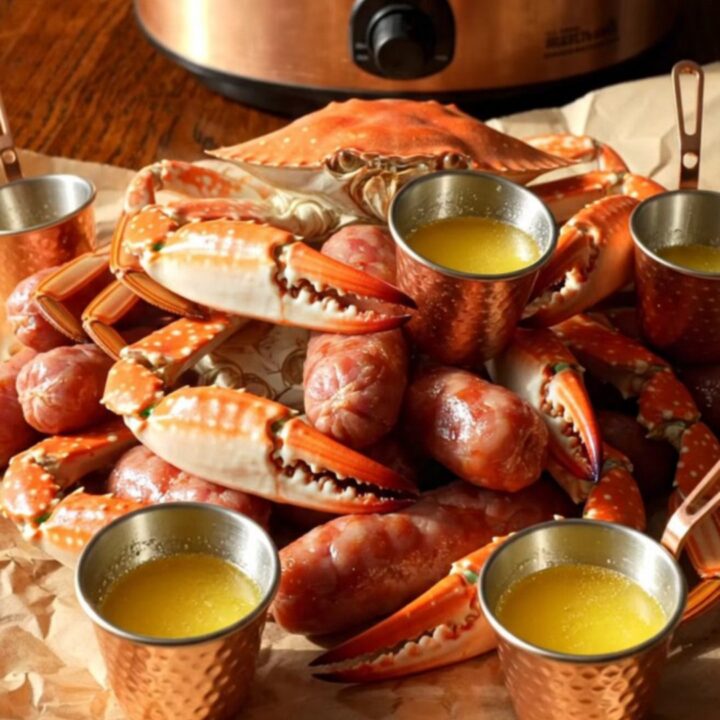
Serve the crab boil straight from the slow cooker onto a large sheet of brown kraft paper or a rimmed platter. Provide crab mallets, seafood crackers, and small bowls of melted cider-vinegar butter for dipping.
The corn and sausage can be eaten with your hands, and the crab claws are best cracked open at the table. This is a messy, fun meal that begs to be shared with friends or family.
For a complete meal, add a simple green salad or coleslaw on the side to balance the richness. Cold beer or sparkling water with lemon are natural pairings. The leftovers can be turned into crab salad, added to pasta, or folded into corn fritters. The boil is hearty enough to stand alone, but a crusty baguette for soaking up the seasoned broth is a welcome addition.
Frequently asked questions
Can this recipe be made with frozen crab claws?
What can be used instead of amber lager?
How long can the cooked boil stay in the refrigerator?
Can the recipe be doubled in a larger slow cooker?
Is it necessary to use Old Bay seasoning?
Crockpot Maryland Blue Crab and Beer Boil
Ingredients
- 2 lb blue crab claws
- 1 lb smoked sausage, sliced into 1-inch rounds
- 4 ears corn on the cob, halved
- 3 tbsp Old Bay seasoning
- 1 bottle (12 oz) amber lager
Instructions
- Place the sliced smoked sausage in an even layer across the bottom of a 6-quart slow cooker. Arrange the halved corn ears over the sausage. Set the blue crab claws on top, tucking them between the corn pieces so they stay above the liquid. Sprinkle the Old Bay seasoning evenly over the crab and corn, making sure the spice reaches the sausage below.
- Pour the entire bottle of amber lager over the layered ingredients. Do not stir — the liquid will naturally settle through the layers. The beer should come about halfway up the sides of the insert, not fully submerge the crab. If needed, tilt the Crockpot slightly to distribute the beer evenly, but keep the crab above the liquid line.
- Cover the slow cooker with the glass lid and set the heat to HIGH. Cook for 2 1/2 hours, or until the crab claws are heated through and the sausage is plump and the corn is tender. The Old Bay and lager will create a fragrant steam that infuses the crab meat while the sausage renders its smoky juices into the broth.
- After 2 hours, check that the crab claws have reached an internal temperature of 145°F (63°C) using an instant-read thermometer inserted into the thickest part of a claw. If they have not reached that temperature, continue cooking for the remaining 30 minutes. The crab meat should be opaque and moist, not translucent.
- Using tongs, carefully lift the crab claws, sausage, and corn from the slow cooker and pile them onto a large sheet of brown kraft paper or a rimmed platter. Discard the cooking liquid or strain it for serving on the side. Serve hot with melted cider-vinegar butter cups for dipping, if desired.
Estimated nutrition per serving
- Calories
- 520
- Protein
- 32 g
- Carbohydrates
- 28 g
- Fat
- 30 g
Next recipe

Creamy New England Clam Chowder in a Bread Bowl
See the recipe → →This recipe is based on a short cooking video and is published under the pen name Clara Weller. It was checked before publication, but errors can slip through. Nutrition, when shown, is an estimate. Read more in our editorial policy and on our food safety page.
More recipes to try

Honey-Hot Cajun Crockpot Shrimp Boil
Total time: 2 h 15 min
Crockpot Butter-Poached Lobster and Scallops
Total time: 1 h 40 min
Slow-Cooker San Francisco Cioppino with Toasted Sourdough
Total time: 4 h 20 min
One-Pot Lemon Pepper Dungeness Crab and Mussels
Total time: 2 h 10 min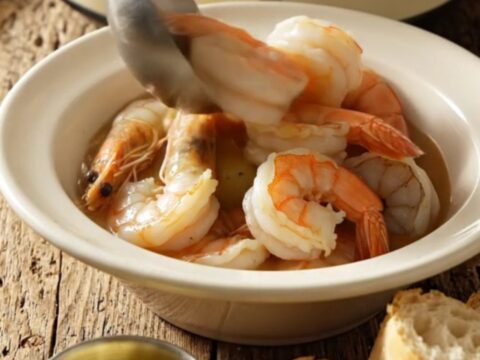
Slow-Cooker Lowcountry Frogmore Stew
Total time: 4 h 35 min