Dinner · Part 1 of 3: Ingredients
Slow-Cooker Lowcountry Frogmore Stew
- Prep
- Cook
- Total
- Serves
- 6
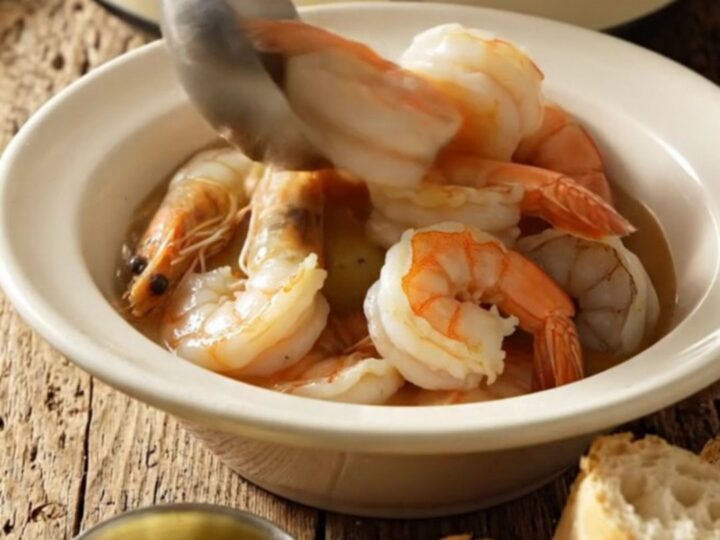
This Lowcountry Frogmore stew brings the classic Southern boil to the slow cooker with a true dump-and-go method. Layers of red potatoes, smoked kielbasa, sweet corn, and Old Bay seasoning simmer in rich seafood stock until tender, then jumbo shrimp join for the final 20 minutes.
The result is a deeply flavorful, one-pot meal that tastes like a Charleston coastal kitchen. Serve it with crusty bread and melted butter for a complete, satisfying dinner that fills the house with an irresistible aroma.
Frogmore stew, also called a Lowcountry boil, is a beloved Southern one-pot dish traditionally cooked outdoors in a large pot. This slow-cooker version simplifies the process without losing any of the bold, briny, and smoky flavors. The ingredients are simply layered into the Crockpot and left to cook on low for four hours, then the shrimp are stirred in at the end so they stay tender and juicy.
The result is a comforting, hearty stew that captures the essence of a coastal Lowcountry feast with minimal effort. Perfect for weeknight dinners or casual gatherings, this recipe delivers classic Southern hospitality in every spoonful.
Ingredients
- 1 lb red potatoes
- 1 lb smoked kielbasa
- 4 corn cobs, halved
- 2 tbsp Old Bay seasoning
- 2 cups seafood stock
- 2 lb raw jumbo shrimp, peeled and deveined
Why this recipe works
The slow cooker method allows the potatoes, kielbasa, and corn to cook gently in the seasoned broth, absorbing the smoky and spicy notes of the Old Bay while becoming perfectly tender.
The long, low heat breaks down the starches in the potatoes and melds the flavors together in a way that a quick stovetop boil cannot achieve. This hands-off approach means the stew essentially cooks itself, freeing up time for other tasks.
Adding the shrimp during the final 20 minutes ensures they cook just until pink and opaque, preventing them from becoming rubbery or overcooked.
This technique honors the delicate nature of shellfish while still allowing them to infuse the broth with their sweet, briny essence. The result is a stew where every component retains its own texture and character, yet the overall dish tastes cohesive and deeply satisfying.
Notes and substitutions
Red potatoes are ideal because they hold their shape during the long cooking time and have a creamy texture. Smoked kielbasa adds a rich, smoky flavor that pairs perfectly with the Old Bay seasoning. Corn cobs cut in half are easy to eat and release their natural sweetness into the broth. Use a good-quality seafood stock for the best flavor; if you cannot find it, chicken stock or water with extra Old Bay works well.
This recipe calls for a 6-quart slow cooker to fit all the ingredients comfortably. If your slow cooker is smaller, reduce the quantities proportionally. The stew is forgiving, so you can adjust the amount of Old Bay to suit your spice preference. For a more traditional presentation, serve the stew directly from the slow cooker set on warm, letting everyone help themselves.
- seafood stock: chicken stock or water with an extra teaspoon of Old Bay seasoning
- smoked kielbasa: andouille sausage or smoked sausage
- red potatoes: Yukon Gold or baby potatoes, halved if larger
- Old Bay seasoning: a mix of celery salt, paprika, black pepper, and cayenne
Equipment
- 6-quart slow cooker
- Large spoon
- Measuring cups and spoons
- Cutting board
- Chef's knife
- Ladle
- Serving bowls
Up next · Part 2 of 3
4 steps · 4 h 20 min of cooking · what to look for at each stage
Step-by-step instructions (Part 2)