Desserts · Part 3 of 3: Tips & recipe card
Maple Walnut Toffee Dark Chocolate Butter Crunch Bars Tips, FAQ & printable recipe
- Prep
- Cook
- Total
- Serves
- 16
Tips for success
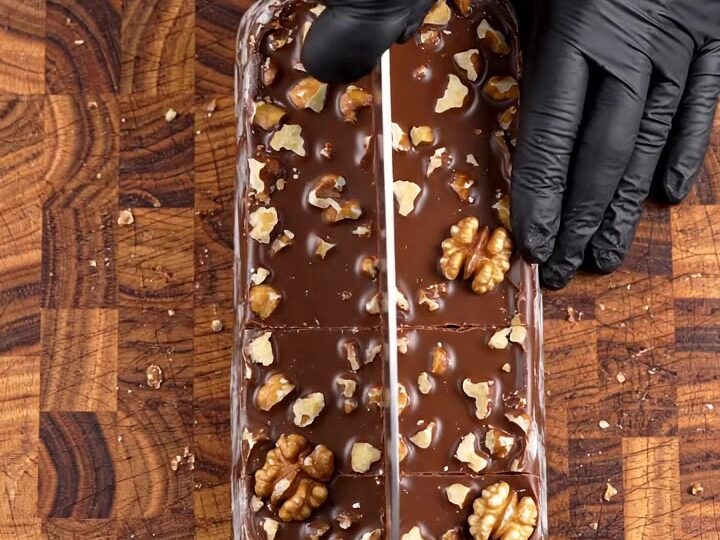
For the cleanest cuts, use a large, sharp chef's knife and press down firmly rather than sawing. If the chocolate cracks, dip the knife in hot water and wipe dry before each cut.
To make the bars even more luxurious, drizzle a little melted white chocolate over the top before it sets. Store the bars in an airtight container with parchment between layers to prevent sticking. They keep well for up to two weeks at room temperature.
If the toffee seizes or becomes grainy, it may be due to sugar crystallization. To avoid this, make sure your utensils are completely clean and free of any residual sugar crystals. Use a wet pastry brush to wash down the sides of the pan while the toffee cooks.
If the toffee hardens before you can spread it, return it to low heat and stir gently until it loosens. Always let the slab cool completely before slicing to achieve the signature snap.
Variations
- Pecan Maple Buttercrunch: Replace the walnuts with toasted pecans for a sweeter, buttery flavor. Pecans pair beautifully with maple and dark chocolate. Toast them just until fragrant, then chop and fold into the toffee as directed. The texture and flavor will be equally irresistible.
- Milk Chocolate Crunch: Substitute the dark chocolate with high-quality milk chocolate for a milder, creamier topping. The milk chocolate will melt more easily and create a softer layer. Adjust the flaky salt to balance the sweetness. This version is especially popular with kids.
- Sea Salt Caramel Crunch: Increase the flaky salt on top to 1 teaspoon for a more pronounced salty-sweet contrast. You can also add a light sprinkle of sea salt directly into the toffee before spreading. This enhances the caramel notes and makes the chocolate pop.
- Spiced Walnut Crunch: Add 1/2 teaspoon of ground cinnamon and a pinch of cayenne pepper to the toffee mixture along with the salt. The warm spice and subtle heat complement the maple and dark chocolate. Toast the walnuts with a little cinnamon for extra depth.
Storage and make-ahead
- Fridge
- Do not refrigerate; the toffee can become sticky. Store at room temperature in an airtight container.
- Freezer
- Wrap well and freeze for up to 3 months. Thaw at room temperature before serving.
- Reheat
- No reheating needed. Serve at room temperature for the best crunch.
Store the maple walnut toffee bars in an airtight container at room temperature for up to 2 weeks. Separate layers with parchment paper to prevent sticking.
Keep away from heat and sunlight to maintain the crisp texture. These bars also make excellent gifts when wrapped in a decorative box.
The bars can be made up to 2 weeks in advance and stored in an airtight container. They also freeze well for up to 3 months. To freeze, wrap the slab tightly in plastic wrap and then in foil. Thaw at room temperature before slicing and serving. The texture remains crisp and delicious.
Serving ideas
Serve these buttercrunch bars as a dessert with coffee or tea, or as part of a holiday cookie platter. They are also wonderful crumbled over ice cream or yogurt for an extra treat. The combination of crunchy toffee, nuts, and chocolate is universally loved.
For a beautiful presentation, arrange the bars on a serving plate and dust with a little cocoa powder or powdered sugar. Pair with a glass of cold milk or a robust red wine.
These bars are rich, so a small portion is satisfying. They are perfect for gifting during the holidays or for special occasions.
Frequently asked questions
Why did your toffee turn out chewy instead of crunchy?
Can this recipe be made without a candy thermometer?
How should the bars be stored to maintain their crunch?
Can the chocolate topping be substituted with something else?
What is the best way to cut the bars without breaking the chocolate?
Maple Walnut Toffee Dark Chocolate Butter Crunch Bars
Ingredients
- 2 cups walnut halves
- 1 cup unsalted butter
- 1 1/2 cups granulated sugar
- 1/2 cup light corn syrup
- 1/4 cup pure maple syrup
- 1/2 tsp kosher salt
- 1 tsp baking soda
- 8 oz 70% dark chocolate, grated
- flaky sea salt, for sprinkling, to taste
Instructions
- Spread the walnut halves on a dry baking sheet and toast in a 350°F (175°C) oven for 8-10 minutes until fragrant and lightly golden. Let cool completely, then chop into small, even pieces.
- Using a box grater, grate the chilled dark chocolate into a bowl of fine shavings. Set aside at room temperature.
- In a heavy-bottomed saucepan, melt the butter over medium heat. Stir in the sugar, corn syrup, maple syrup, and salt. Cook, stirring constantly, until the mixture reaches 300°F (149°C) on a candy thermometer, about 10-15 minutes.
- Remove the pan from heat and quickly stir in the baking soda (the mixture will foam). Fold in the chopped toasted walnuts until evenly distributed.
- Pour the hot toffee onto a parchment-lined baking sheet or into a 9x13-inch pan. Use an offset spatula to spread it into an even layer about 1/2 inch thick.
- Immediately sprinkle the grated dark chocolate evenly over the hot toffee. Let it sit for 2-3 minutes, then use an offset spatula to spread the melting chocolate into a smooth, glossy layer covering the entire surface.
- While the chocolate is still soft, sprinkle a pinch of flaky sea salt over the top for contrast. Let the slab cool completely at room temperature until the chocolate is set, about 1 hour.
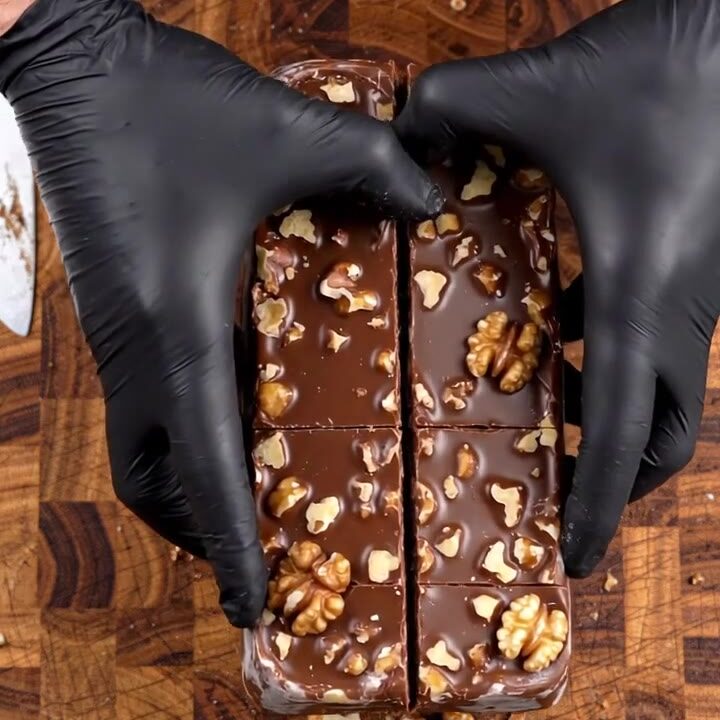
- Once fully set, lift the slab from the pan using the parchment. Use a sharp chef's knife to cut into thick bars, about 2 inches wide. For clean edges, score the chocolate first, then press down firmly.
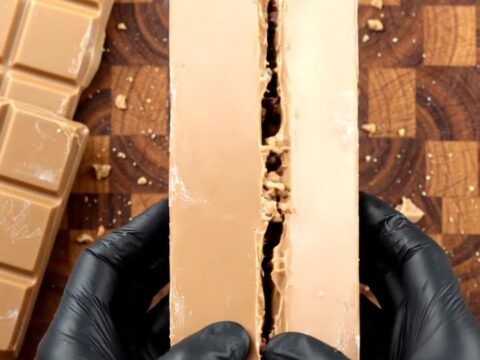
- Lift one bar and snap it in half to reveal the layered cross-section: crunchy walnut toffee beneath a smooth dark chocolate top. Serve immediately or store in an airtight container.
Estimated nutrition per serving
- Calories
- 320
- Protein
- 3 g
- Carbohydrates
- 28 g
- Fat
- 22 g
Next recipe

Dubai Chocolate Croissant Bake with Pistachio Cream
See the recipe → →This recipe is based on a short cooking video and is published under the pen name Clara Weller. It was checked before publication, but errors can slip through. Nutrition, when shown, is an estimate. Read more in our editorial policy and on our food safety page.
More recipes to try
Matcha Black Sesame Basque Burnt Cheesecake
Total time: 5 h 25 min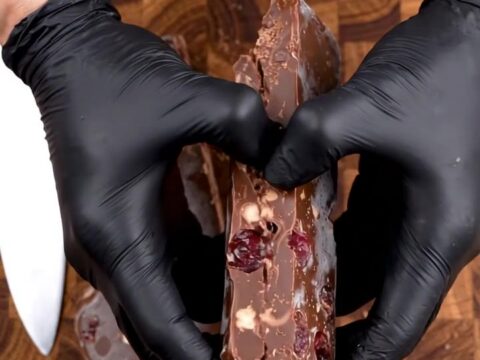
Black Forest Cherry Almond Dark Chocolate Bark
Total time: 1 h 30 min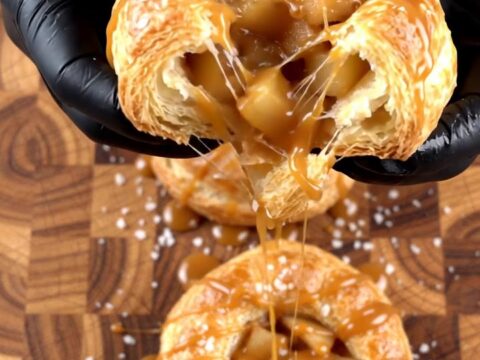
Golden Caramel Apple Turnovers with Chocolate Curls
Total time: 45 min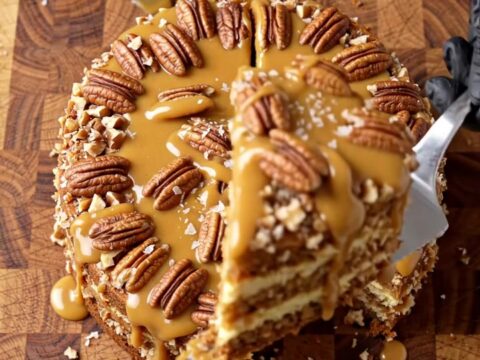
Butterscotch Pecan Layer Cake with Brown Butter Praline
Total time: 1 h 45 min
Lemon Blackberry Danish Ricotta Puff Pastry Pinwheels
Total time: 38 min