Desserts · Part 1 of 3: Ingredients
Lemon Loaf Cake with Citrus Glaze
- Prep
- Cook
- Total
- Serves
- 10
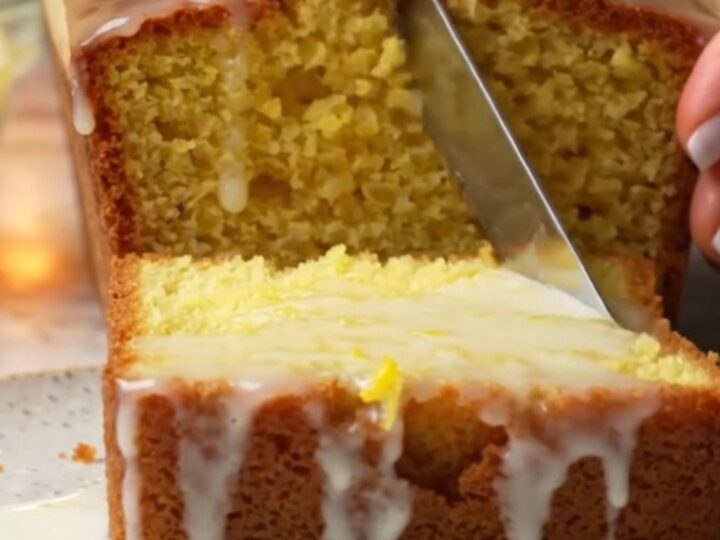
Imagine a loaf cake so moist it practically melts on your tongue, with a bright, tangy lemon flavor that wakes up your taste buds. This is that cake. A golden, domed top hides a tender, velvety crumb, and a glossy citrus glaze adds the perfect sweet-tart finish.
Whether you're a seasoned baker or just starting out, this recipe is straightforward and rewarding. Every slice delivers a burst of fresh lemon, making it an ideal companion for coffee, tea, or a simple afternoon treat.
This lemon loaf cake is a celebration of citrus in its most comforting form. The recipe starts by rubbing fresh lemon zest into sugar, a classic technique that releases the essential oils and infuses the entire cake with aromatic flavor. The batter comes together quickly, using basic pantry staples, and bakes into a tall, golden loaf.
Once cooled, a simple glaze of powdered sugar, lemon juice, and milk is poured over the top, creating a crackly, sweet crust that contrasts beautifully with the moist crumb. This is a cake that impresses with its simplicity and delivers on every level of taste and texture.
Ingredients
- 2 cups all-purpose flour
- 1 tsp salt
- 2 tsp baking powder
- 1 tbsp fresh lemon zest
- 1 1/4 cups granulated sugar
- 3/4 cup unsalted butter, softened (170g)
- 3 tbsp vegetable oil
- 4 large eggs, room temperature
- 1/2 cup whole milk
- 3 tbsp fresh lemon juice
- 1 tbsp vanilla bean paste
Glaze
- 1 cup powdered sugar
- 2 tbsp fresh lemon juice
- 1 tbsp milk
Why this recipe works
The method of rubbing lemon zest into sugar is the secret to this cake's intense citrus flavor. The abrasive action of the sugar crystals breaks down the zest, releasing the aromatic oils and distributing them evenly throughout the batter. This ensures that every bite is infused with lemon, not just the parts where a piece of zest happens to land. It's a simple step that makes a world of difference in the final taste.
The combination of butter and oil in the batter creates the perfect texture. Butter provides rich flavor and a tender crumb, while oil adds moisture and helps the cake stay soft for days.
The eggs, added one at a time, emulsify the mixture, and the buttermilk-like addition of lemon juice and milk adds a subtle tang that balances the sweetness. The result is a loaf that is both sturdy enough to hold its shape and delicate enough to feel luxurious on the palate.
Notes and substitutions
Use fresh lemons for both the zest and the juice. The zest of a fresh lemon is far more aromatic than the dried or bottled versions, and the juice provides the bright, tangy flavor that defines this cake.
For the glaze, you can adjust the consistency by adding more powdered sugar to thicken or a few drops of milk to thin it out. A thick glaze will set into a opaque, crackly layer, while a thinner one will be more translucent and soak into the cake slightly.
When measuring flour, spoon it into the measuring cup and level it off with a knife. Scooping directly from the bag can compact the flour, leading to a dry cake. The same goes for powdered sugar in the glaze. If you don't have vanilla bean paste, an equal amount of vanilla extract works perfectly. The cake is best enjoyed the day it's made, but it also keeps well for several days when stored in an airtight container.
- vanilla bean paste: 1 tablespoon vanilla extract
- whole milk: 2% or plant-based milk, such as oat milk
- vegetable oil: canola oil or melted coconut oil
- fresh lemon zest: 1 tablespoon dried lemon zest, rehydrated in 1 teaspoon water
Equipment
- Mixing bowls
- Whisk
- Electric mixer
- 9x5-inch loaf pan
- Parchment paper
- Cooling rack
Up next · Part 2 of 3
11 steps · 50 min of cooking · what to look for at each stage
Step-by-step instructions (Part 2)